 Ferndale Siding
 Window Installation Built for the Fairhaven Climate
Homes in the Fairhaven area near Ferndale sit close enough to the water that the weather does more than just get windows wet. Salt air works on metal hardware and fasteners year-round. Driving rain off Bellingham Bay and the Strait pushes water sideways into gaps that would stay dry in a more sheltered inland setting. And the long, damp moss season here keeps wood trim, sills, and cladding wet for weeks at a stretch. Window installation in this kind of environment isn't just about picking a product you like the look of — it's about getting the flashing, sealing, and frame choice right so the window actually holds up to what Whatcom County throws at it.
We install windows across Ferndale and the surrounding coastal neighborhoods, and the jobs closest to the water are handled differently than the ones a few miles inland. This page walks through what that actually means for your home.
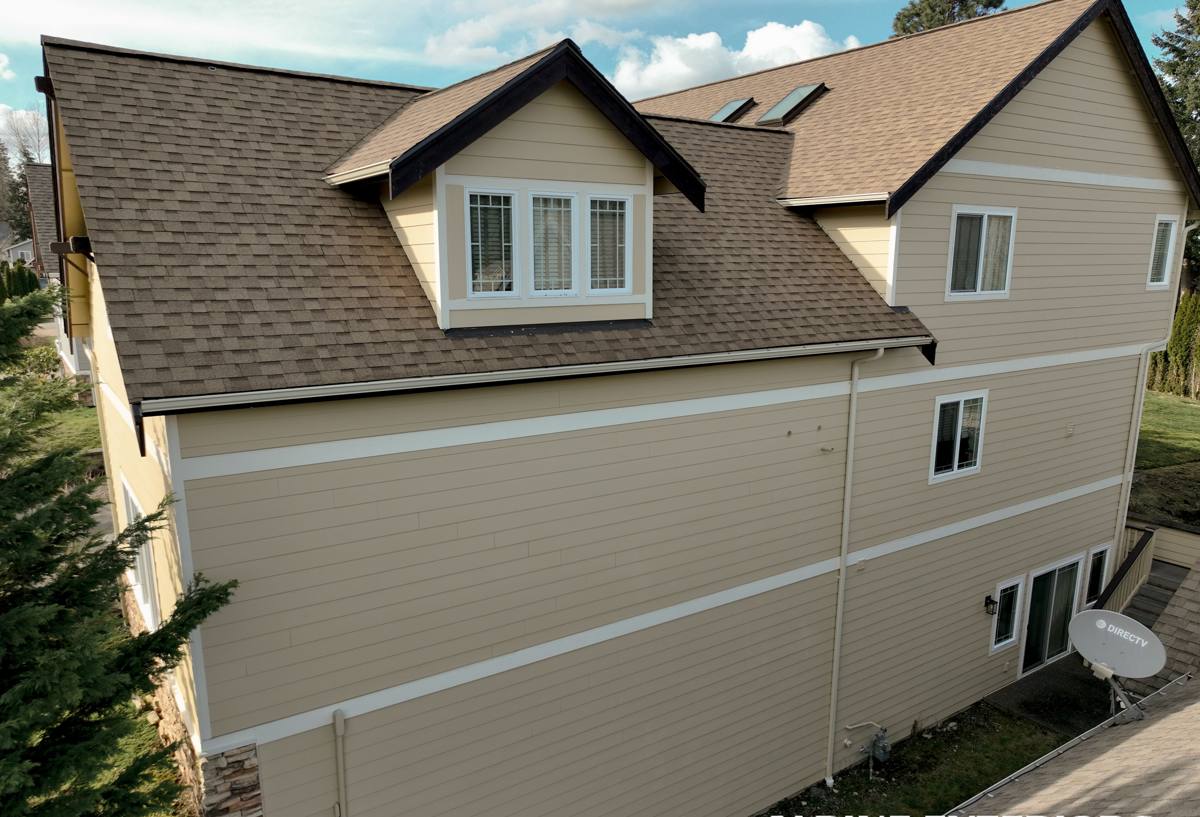
What Coastal Exposure Does to Windows Over Time
Salt Air and Metal Components
Salt-laden air accelerates corrosion on anything metal — window balances, hinges, screen frames, and especially the fasteners holding trim and flashing in place. Aluminum-clad and bare aluminum frames are more vulnerable to this than vinyl or fiberglass. Once corrosion starts on hardware, windows get harder to operate, locks stop seating properly, and small gaps open up where the frame no longer sits tight against the sash.
Wind-Driven Rain and Water Intrusion
Rain that falls straight down is easy to manage. Rain that's being pushed sideways by wind off the water finds every weak point in a window's perimeter — a gap in the flashing, a bead of failed caulk, a nail hole that was never sealed. That's why so many window failures in this area aren't glass failures at all; they're water intrusion failures around a perfectly good window that was installed without the right flashing sequence.
Moss, Algae, and Trapped Moisture
Whatcom County's mild, wet winters are ideal growing conditions for moss and algae on anything that stays damp — wood sills, trim boards, and the top edges of window frames that don't shed water quickly. Beyond the cosmetic issue, moss holds moisture against wood and paint, which shortens the life of trim and increases the odds of rot developing behind it where you can't see it.
Signs Your Fairhaven-Area Home Needs New Windows
Not every window problem means full replacement, but these are the signs worth taking seriously in a coastal climate like this one:
- Visible condensation or fogging between the panes of a double-pane window (a sign the seal has failed)
- Soft, discolored, or spongy wood on the sill or lower frame corners
- Windows that are hard to open, close, or lock, especially after damp weather
- Drafts you can feel near the frame even with the window fully closed
- Paint that keeps failing on wood trim no matter how often it's redone
- Visible daylight or gaps between the frame and the siding or trim
- A noticeable rise in heating costs without any other explanation
- Persistent moss or algae staining on the frame or sill that keeps returning after cleaning
Choosing the Right Frame Material for This Climate
Frame material matters more here than it would in a dry inland climate, because it determines how the window handles years of moisture and salt exposure. There's no single "best" material for every home — it depends on your budget, your home's style, and how exposed the window is to weather.
| Frame Material | Coastal Durability | Maintenance | Notes |
|---|---|---|---|
| Vinyl | Good — won't corrode or rot | Low | Most cost-effective option; solid performer in wet, salty air |
| Fiberglass | Very good — dimensionally stable, resists warping | Low | Higher upfront cost; holds paint well if you want a custom color |
| Wood (clad exterior) | Fair to good, depends on cladding quality | Moderate to high | Interior wood look with a protected exterior; cladding seams need attention |
| Aluminum | Weaker in this specific climate | Moderate | We're cautious recommending bare aluminum this close to the water due to corrosion and thermal performance |
For most homes in the Fairhaven area, we steer clients toward vinyl or fiberglass for the exterior-facing components, simply because they don't give salt air and moisture anything to corrode or rot. If you want the look of wood on the interior, a wood-interior/clad-exterior window can still make sense — it just needs an exterior material that's genuinely built to handle sustained damp exposure, not just painted wood.
Full-Frame Replacement vs. Insert Replacement
There are two basic approaches to replacing a window, and which one is right depends on the condition of what's already there.
Insert (Pocket) Replacement
An insert window goes into the existing frame, which stays in place. It's faster, less invasive to your siding and interior trim, and usually less expensive. It works well when the existing frame is still structurally sound and dry.
Full-Frame Replacement
Full-frame replacement removes the window down to the rough opening, including the old frame. It costs more and takes longer, but it's the right call when there's any sign of water damage, rot, or a frame that's out of square — all of which show up more often in homes with long-term exposure to driving rain and trapped moisture. It also lets us fully redo the flashing and weatherproofing at the opening, which matters a great deal in this climate.
We don't default to the cheaper option just because it's cheaper. If we open up a window and find soft framing or evidence of past water intrusion, we'll tell you honestly rather than reinstalling over a problem that will just resurface.
How the Installation Actually Works
1. Inspection and Prep
We start by checking the condition of the existing opening, framing, and any signs of prior water damage. This is where we decide, together with you, whether an insert or full-frame approach makes sense.
2. Careful Removal
The old window and surrounding trim come out without unnecessary damage to siding or interior finishes. If there's rot in the sill or framing, we address it now rather than sealing it in behind a new window.
3. Flashing and Weatherproofing
This is the step that determines whether the window stays dry for the next twenty years. Sill pan flashing, side flashing, and head flashing are installed in the correct shingle-style overlap so water is directed out and down, never trapped behind the window. Given how much wind-driven rain this area sees, we don't treat this step as optional or skip straight to caulk.
4. Setting and Sealing the Window
The new window is shimmed level, plumb, and square, fastened per the manufacturer's specifications, and sealed with the appropriate sealants at the interior and exterior — not just a bead of caulk around the outside trim.
5. Insulation and Trim
The gap between the window frame and rough opening gets properly insulated (not overpacked, which can bow the frame), and interior and exterior trim is reinstalled or replaced to match your home.
6. Final Check
Every window gets tested for smooth operation, a tight seal, and proper locking before we consider the job done.
Why Flashing Detail Matters More Here Than Almost Anywhere Else
We keep coming back to flashing because it's genuinely the most common point of failure we see on older or poorly installed windows in this region. A window can have perfect glass, a solid frame, and still leak — because water found a way behind the trim through a gap in the flashing rather than through the window itself. In a climate with regular wind-driven rain off the water, that gap doesn't stay dry very often, and rot can develop in the wall framing long before it's visible from inside the house. Getting the flashing sequence right the first time is far cheaper than repairing the framing damage that results from getting it wrong.
Permits and Working Within Whatcom County Requirements
Whether a window replacement needs a permit generally depends on the scope of the work — straightforward like-for-like replacement is often treated differently than a job that changes the size of the opening or affects structural framing. Requirements can vary by jurisdiction within Whatcom County, so we check what applies to your specific project rather than assuming. Part of hiring a crew that works this area regularly is that we're familiar with how that process typically goes locally and won't leave you to sort it out on your own.
Maintaining New Windows in a Salt Air, High-Moss Climate
A well-installed window in this climate still benefits from a little seasonal attention:
- Rinse salt residue off exterior frames and hardware a few times a year, especially after storms
- Clear moss and debris from sills and tracks before it holds moisture against the frame
- Check and refresh exterior caulking annually, since UV and moisture cycling break it down over time
- Operate hardware periodically through the wetter months so mechanisms don't seize
- Keep gutters and downspouts clear nearby, since overflow can send extra water directly at window openings
Why Hiring a Crew That Already Works in Fairhaven Matters
Window installation isn't identical everywhere. A crew that mostly works dry, inland climates may not think twice about flashing details that are non-negotiable a few miles from the water. Working regularly in and around Ferndale means we've seen how salt air, driving rain, and moss actually affect windows over years, not just how they look on installation day. That shapes which materials we recommend, how we handle flashing, and what we flag as a real problem versus a cosmetic one. It also means we're a known, reachable local option if a question comes up after the job is finished — not a crew that drove in from out of the area for a one-time install.
If your windows are showing wear, drafts, or water staining, or you're planning ahead for a replacement, we're happy to take a look and give you an honest read on what your home actually needs. Reach out for a free, no-pressure estimate — the form below gets you started.