 Ferndale Siding
 Asphalt Shingle Roofing Built for the Semiahmoo Climate
Homes in and around Semiahmoo sit close to open water, which means the roof over your head deals with a combination of stresses that inland homes rarely see all at once: salt-laden air, wind-driven rain, and long stretches of damp shade that feed moss and algae growth. Asphalt shingle roofing is still one of the most practical, cost-effective options for this environment, but only when it's specified and installed with these conditions in mind. A shingle roof that would hold up fine in a drier, calmer part of Whatcom County can fail early here if the installer treats it like a generic job.
This page covers what we look at specifically for asphalt shingle roofing in the Semiahmoo area — the materials, the details, and the maintenance rhythm that make the difference between a roof that lasts its full service life and one that needs attention years ahead of schedule.
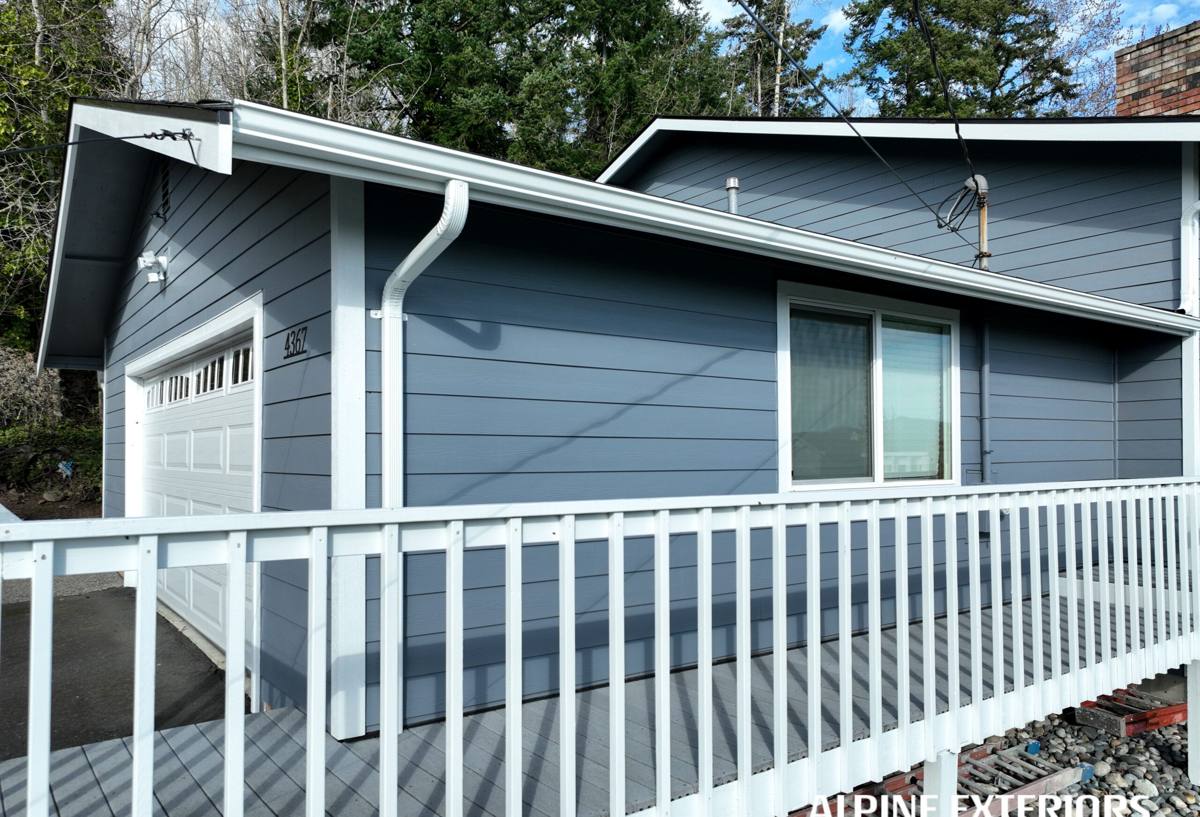
Why Semiahmoo's Climate Is Hard on Shingle Roofs
Three things compound here more than in most Whatcom County neighborhoods:
- Salt air: Proximity to saltwater accelerates corrosion on any exposed metal component — nails, flashing, drip edge, and gutter hardware. Standard fasteners and thin-gauge flashing degrade faster near the water than they would a few miles inland.
- Driving rain: Wind off the water frequently pushes rain sideways instead of straight down, forcing water into laps, valleys, and flashing points that would stay dry in a calmer rain event. This punishes weak underlayment and shortcut flashing work.
- Long moss and algae season: The Pacific Northwest's damp, mild winters already favor moss and algae growth. Add shade from mature trees and north-facing roof slopes that rarely see direct sun, and Semiahmoo roofs can stay damp for days after a storm, giving moss a foothold that a sunnier, drier roof wouldn't get.
None of these factors are unusual on their own for Whatcom County. What makes Semiahmoo roofing different is that a single home can face all three at the same time, which is why we treat roofs here as a coastal-exposure job, not a standard reroof.
What This Means in Practice
It means the roofing assembly — not just the shingles themselves — has to be chosen and installed to handle sustained moisture exposure and airborne salt, not just occasional rain. The shingles are the visible layer, but the underlayment, flashing, fasteners, and ventilation underneath them do most of the actual work of keeping a Semiahmoo home dry over the long run.
What a Correctly Installed Shingle Roof Needs Here
Underlayment and Water Barriers
A synthetic underlayment rated for high wind and moisture exposure is our standard for this area, and we install self-adhering ice-and-water barrier membrane at eaves, valleys, and any roof-to-wall transition — the spots where wind-driven rain is most likely to get pushed uphill under the shingles. This is a detail that's easy to skip on a fast, low-bid job and very hard to fix after the shingles are down.
Flashing and Fasteners
Given the salt air near Semiahmoo, we favor corrosion-resistant flashing and fastener materials over the cheapest available option. Galvanized components that are adequate a few miles inland can start showing rust streaks and early failure closer to the water. Every penetration — chimneys, vents, skylights — gets flashed as its own detail rather than relying on caulk or sealant as the primary defense.
Ventilation Balance
Balanced intake (soffit) and exhaust (ridge) ventilation keeps the attic temperature and moisture level even across the roof deck. Roofs with poor or mismatched ventilation tend to stay damp longer on the underside, which shortens shingle life and speeds up moss colonization on the shaded slopes from the outside as well. This is one of the most overlooked parts of a reroof — the shingles get all the attention, but the ventilation is what protects the deck underneath them for the long haul.
Moss, Algae, and Salt Air: Building in Prevention
You can't eliminate moss and algae risk on a shaded, damp roof, but you can reduce how fast it takes hold and how much damage it does before you notice it.
- Algae-resistant (AR) shingles: Most major manufacturers now embed copper- or zinc-based granules in their shingle lines specifically to slow algae staining. We treat this as a standard spec for Semiahmoo homes with shaded or north-facing roof planes, not an upgrade.
- Zinc or copper strips at the ridge: On roofs with a heavy moss history, a metal strip near the ridge lets rain wash trace metal ions down the roof slope, which suppresses regrowth between cleanings.
- Keeping the deck dry underneath: Good ventilation and a sound underlayment reduce the moisture the deck holds onto, which matters because moss thrives on sustained dampness more than on occasional rain.
- Tree and gutter management: We can't control what's growing on your property, but keeping gutters clear of needles and leaf litter reduces standing water at the eaves, which is one of the first places moss and algae establish.
We won't tell a homeowner that any shingle roof will stay moss-free in this climate forever — that's not realistic. What we can do is spec and install the roof so moss stays a manageable maintenance item rather than a structural problem.
Wind Exposure Near Open Water
Roofs with a clear wind fetch off the water take more sustained wind load than a similar roof tucked between trees and other structures. Two installation details matter more here than on a sheltered lot:
- Nailing pattern: We follow the shingle manufacturer's high-wind nailing pattern (typically six nails per shingle in exposed conditions) rather than the minimum four-nail pattern that's fine in calmer settings.
- Shingle wind rating: We select shingle products with a wind warranty rating that matches actual site exposure, not just the cheapest line in the catalog. On an open, water-facing roof plane, this is worth the modest cost difference.
Proper starter strip installation along eaves and rakes also matters more in wind-exposed settings — it's the first line of defense against wind getting under the shingle edge and lifting it.
Our Asphalt Shingle Roofing Process
- On-site inspection: We assess your current roof's condition, deck integrity, ventilation setup, and specific exposure — sun, shade, tree cover, and wind path — before recommending anything.
- Material selection: Based on that assessment, we recommend a shingle line, underlayment, and flashing package suited to your home's actual exposure, not a one-size-fits-all package.
- Tear-off and deck check: We remove the existing roofing down to the deck and inspect for rot, soft spots, or prior water damage that needs to be addressed before new roofing goes on.
- Water barrier and underlayment installation: Ice-and-water membrane at vulnerable points, synthetic underlayment across the full deck.
- Flashing and drip edge: Installed at every penetration, valley, and edge — this is where most long-term leaks originate if it's rushed.
- Shingle installation: Installed to the manufacturer's specified nailing pattern for your site's wind exposure.
- Ventilation check and adjustment: Confirming intake and exhaust are balanced for the finished roof.
- Final walkthrough: We go over the completed work with you, including what routine maintenance will look like going forward.
Choosing the Right Shingle: Cost and Performance Factors
Shingle lines vary in wind rating, algae resistance, and expected lifespan. The table below outlines the general trade-offs homeowners weigh when choosing between common asphalt shingle categories for a coastal, damp climate like Semiahmoo's.
| Shingle Type | Typical Lifespan | Wind Resistance | Best Fit |
|---|---|---|---|
| 3-tab asphalt | 15-20 years | Lower | Budget-focused projects, sheltered roof planes |
| Architectural (laminate) | 25-30+ years | Higher | Most Semiahmoo homes, especially wind-exposed roof planes |
| Premium/designer laminate | 30+ years | Highest | Homes prioritizing longevity and appearance, higher up-front cost |
Beyond the shingle itself, your final cost depends on roof pitch and complexity, deck condition once the old roofing is removed, the amount of flashing and penetrations involved, and how much of the underlying decking (if any) needs replacement. We give you real numbers after the on-site inspection rather than a ballpark based on square footage alone.
Maintenance Checklist for Semiahmoo Homeowners
A well-installed shingle roof still needs periodic attention in this climate. Between professional inspections, here's what's worth checking yourself:
- Clear gutters and downspouts of needles and leaf debris, especially before the fall rains pick up
- Look for dark streaking or green/black patches on shaded roof slopes — early signs of algae or moss
- Check for granule buildup in gutters, which can signal accelerated shingle wear
- Watch for lifted or curling shingle edges after high-wind events
- Inspect flashing around chimneys, vents, and skylights for rust streaks or gaps, particularly given salt-air exposure
- Trim back overhanging branches that keep sections of the roof shaded and damp longer than necessary
If you're not comfortable getting on the roof yourself, a quick visual check from the ground with binoculars after storms is enough to catch most early warning signs.
Repair or Replace? Reading the Signs
Not every issue on a Semiahmoo shingle roof means a full replacement. Isolated flashing leaks, a handful of wind-lifted shingles, or moss buildup on an otherwise sound roof are typically repair-scope items. Widespread granule loss, shingles that are curling or cracking across large sections, soft spots in the decking, or a roof that's already near or past its expected lifespan point toward replacement being the more cost-effective path. We'll always tell you honestly which category your roof falls into rather than defaulting to the larger job.
Why Hire a Crew That Already Works in Semiahmoo
Roofing crews unfamiliar with this specific stretch of coastline sometimes spec materials and details as if the job were inland — standard fasteners, standard nailing patterns, no real plan for moss-prone shade. That approach can look fine on installation day and start showing problems within a few years. Working regularly in the Semiahmoo area means we already account for the salt air, the wind exposure off the water, and the shaded, moss-prone rooflines that are common here, without treating your project as a first-time guess. That local familiarity shows up in the small decisions — fastener choice, flashing detail, nailing pattern, ventilation balance — that don't show up on a spec sheet but determine how the roof actually performs over the next 20-plus years.
If you'd like an honest look at what your roof needs, we're happy to come out and take a look. The estimate is free, there's no pressure to move forward, and you'll get straight answers about repair versus replacement and what a properly built roof looks like for your specific home.