 Ferndale Siding
 Why "Cost Per Square Foot" Only Tells Half the Story
Almost every homeowner researching siding replacement starts by hunting for a price per square foot. It's a reasonable instinct, but it's also where a lot of people get misled. Two houses in Ferndale with the exact same square footage of wall area can land tens of thousands of dollars apart in total project cost, because square footage is only one input among many. The condition of what's underneath your current siding, the shape of your home, the material you choose, and how much of the old siding has to come off before new material goes on all move the number more than the material price tag does.
This page walks through what actually drives siding replacement cost, so that when you're comparing bids from different Whatcom County contractors, you know what you're actually paying for — and can tell the difference between a bid that's cheaper because it's less thorough, and one that's cheaper because it's a better deal.
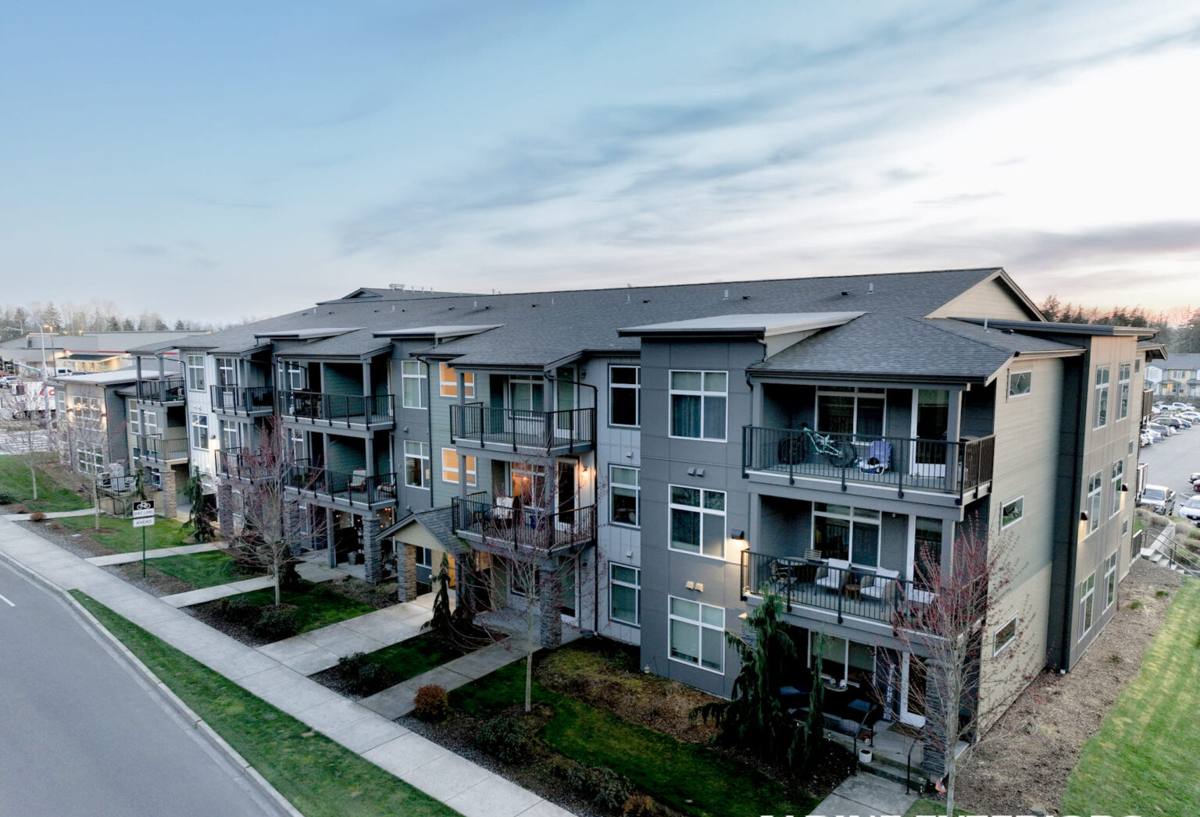
The Real Cost Factors, Ranked
In order of how much they typically move the final number, here's what determines what you'll pay:
| Factor | Why It Matters |
|---|---|
| Condition of the sheathing and framing underneath | Rot repair, replacing damaged OSB or plywood, and dealing with old moisture intrusion can add substantially more than the siding material itself |
| Material chosen | Vinyl, engineered wood, and fiber cement have different material costs and different installation labor requirements |
| Home shape and trim complexity | Dormers, bay windows, multiple gables, and heavy trim detail all add labor hours that a simple rectangular wall doesn't require |
| Number of stories and access | Second- and third-story work requires scaffolding or staging, which adds both time and equipment cost |
| Tear-off vs. install over existing siding | Full tear-off costs more upfront but is the only way to actually inspect and fix what's hiding behind the old siding |
| House wrap and flashing details | Proper water management at windows, doors, and penetrations is labor-intensive but is what actually keeps water out for the next 30-50 years |
Most full siding replacement projects — tear-off, sheathing repair as needed, house wrap, and new siding installed correctly — land somewhere in a broad range depending on those factors, often mid-single digits to well into double digits per square foot installed. Anyone quoting you a number without walking your house first and looking at what's underneath is guessing.
What's Under Your Old Siding Matters More Than People Expect
Whatcom County's climate isn't gentle on wood-frame homes. Between salt-laden air moving in off the water, driving rain that comes in sideways during winter storms, and the long stretch of damp, moss-friendly weather that runs from fall through spring, siding takes a beating here in ways it doesn't in drier inland climates. Old caulk fails. Nail penetrations open up hairline gaps. Moss and lichen hold moisture against the wall longer than most homeowners realize.
When we remove old siding, we're regularly finding soft sheathing, rusted fasteners, or water staining that never showed up as a visible problem from outside. This is exactly why tear-off — rather than installing new siding directly over the old — is worth the extra cost on most Ferndale homes. You're paying to actually see the problem, not just cover it up. A bid that skips this step might look cheaper, but it's kicking a repair bill down the road, and by the time it shows up, it's usually bigger.
Common Issues We Find Behind Old Siding in This Area
- Rotted or delaminated sheathing near ground level and under window sills
- Missing or degraded house wrap that was never properly lapped or taped
- Rusted or backed-out fasteners from decades of freeze-thaw and moisture cycling
- Moss and organic growth trapped between old siding and the wall, holding moisture against the wood
- Undersized or missing flashing above windows and doors
Material Costs, Compared Honestly
We install James Hardie fiber cement siding exclusively, and we're upfront about why — but you should understand where it sits in the broader market before we explain that reasoning.
| Material | Typical Material Cost Position | Long-Term Considerations |
|---|---|---|
| Vinyl | Lowest material cost | Can warp or fade in UV and heat cycling; seams and panels are visible; limited repair options if damaged |
| LP SmartSide (engineered wood) | Mid-range | Wood-based product requiring careful moisture management at seams and cut edges; performance depends heavily on installation quality and ongoing caulk maintenance |
| Fiber cement (James Hardie) | Mid-to-upper range | Non-combustible, dimensionally stable, factory-applied ColorPlus finish reduces repainting cycles, strong transferable warranty |
| Cedar / primed wood | Upper range (material plus ongoing maintenance) | Natural material with real upkeep demands — staining or painting on a recurring cycle, vulnerability to moisture and pests |
Material cost alone doesn't tell you the whole financial story. A lower material cost that requires repainting every five to seven years, or that's more vulnerable to the moisture and salt-air exposure common in Whatcom County, can cost more over a 20-year ownership window than a product with a higher installed price and a longer service life. That's the math we'd encourage every homeowner to run, not just the sticker price on install day.
Why We Only Install James Hardie
We made a deliberate decision years ago to standardize on James Hardie fiber cement and stop installing vinyl, LP SmartSide, Cemplank, Allura, primed spruce, and cedar. That's not because those products can't work anywhere — it's because, given what this climate does to a house over decades, we didn't want to keep telling homeowners "it depends on how well it's maintained" as an answer to how their siding will hold up.
James Hardie's HZ5 product line is engineered specifically for climates like ours — freeze-thaw cycling, sustained moisture exposure, and salt air. It's non-combustible, which matters more every wildfire season. The ColorPlus factory finish is baked on under controlled conditions rather than field-applied, which means better adhesion and a longer stretch before repainting becomes necessary. And Hardie backs the product with a warranty structure that's transferable to a future homeowner, which matters if you ever sell.
None of this means other products are bad. It means that after years of installation work in this region, we decided we'd rather stand behind one system we trust completely than offer five options and let installation quality and homeowner maintenance carry all the risk.
Labor: Where Skilled Installation Actually Pays Off
Fiber cement siding is less forgiving of sloppy installation than vinyl. It requires correct fastening patterns, proper clearances at grade and roof lines, correctly lapped and taped house wrap, and attention to expansion gaps at trim. Cutting it also requires dust control equipment that not every crew bothers with. This is why labor cost for fiber cement tends to run higher than for vinyl — you're paying for a crew that knows the manufacturer's installation requirements well enough to keep the warranty valid, not just get panels on the wall.
This matters practically: James Hardie's warranty coverage depends on installation following their published specifications. A contractor who cuts corners on flashing details or fastener spacing can leave you with a product that looks fine on day one but isn't actually covered if a moisture problem shows up in year eight.
Questions That Reveal Installation Quality Before You Sign
- Are you a certified James Hardie installer, and can you show documentation?
- Will you do a full tear-off, or install over the existing siding?
- What's your house wrap and flashing detail at windows, doors, and roof lines?
- Who repairs any sheathing damage found during tear-off, and how is that priced?
- Is dust containment used when cutting fiber cement on site?
- What does the written warranty actually cover, and for how long?
Local Factors That Affect Your Bid in Ferndale and Whatcom County
A few things specific to this area show up in local bids more than they would in a drier, inland climate:
Salt air exposure. Homes closer to the water deal with accelerated corrosion on fasteners and hardware, which is part of why fastener quality and spacing matter more here than in inland regions.
Driving rain. Whatcom County storms often come with strong horizontal wind-driven rain, which puts real pressure on flashing details and house wrap laps. This is a place where cutting corners on water management shows up as a problem within a few winters, not decades.
Moss season. The long damp stretch from fall through spring means moss and algae growth on siding is a near-constant maintenance issue for materials that don't resist it well. Factory-finished fiber cement holds up to this better than bare wood or older painted surfaces.
Permitting and access. Depending on your specific property and jurisdiction, permitting requirements and site access (steep lots, tight setbacks, mature landscaping) can add modest time and cost that a generic online calculator won't account for.
Hidden Costs Homeowners Often Forget to Budget For
The siding material and labor line items get all the attention, but a few other costs regularly catch homeowners off guard:
- Sheathing or framing repair discovered during tear-off (impossible to quote precisely before the old siding is off)
- Trim, fascia, and soffit replacement if those elements are also aging out
- Window and door flashing upgrades if the current details don't meet code or manufacturer spec
- Disposal fees for removing old siding, especially if it's a heavier material
- Touch-up landscaping or gutter adjustments needed after the work is done
A thorough contractor will walk you through which of these are likely on your specific house before work starts, rather than surprising you mid-project. If a bid seems unusually low compared to others, it's worth asking directly whether these items are included or are going to show up as change orders later.
How to Compare Bids Fairly
When you're holding two or three quotes side by side, price alone can be misleading if the scope of work isn't identical. Before comparing dollar figures, make sure each bid specifies the same things: full tear-off or install-over, the exact siding product and line, whether house wrap replacement is included, who's responsible for sheathing repair costs, and what warranty coverage applies and for how long. A bid that's a few thousand dollars less but skips tear-off or uses a lighter-gauge house wrap isn't actually the better deal — it's a different, lesser scope of work wearing the same label.
If you'd like an honest look at what your specific home would need — not a generic estimate off a square footage calculator — we're glad to come out, look at what's actually on your walls, and put together a clear, no-pressure quote. There's no obligation, and you'll walk away with a real number instead of a guess.