 Ferndale Siding
 Allura Is a Real Fiber Cement Product — Let's Start There
We want to be upfront about something before we explain our position: Allura is genuine fiber cement siding, not a vinyl or engineered-wood imitation. It's made from the same basic recipe as most fiber cement products on the market — Portland cement, sand, and cellulose fiber, cured into a dense, non-combustible board. If a homeowner in Ferndale asks us "is Allura junk?" the honest answer is no. It is a legitimate product category, and plenty of contractors install it successfully.
Our decision to install only James Hardie siding isn't about Allura being a bad material. It's about what we've found matters most for homes in Whatcom County's climate, and where we've decided to concentrate our expertise, warranty backing, and supplier relationships. We think homeowners deserve that distinction explained clearly rather than left vague.
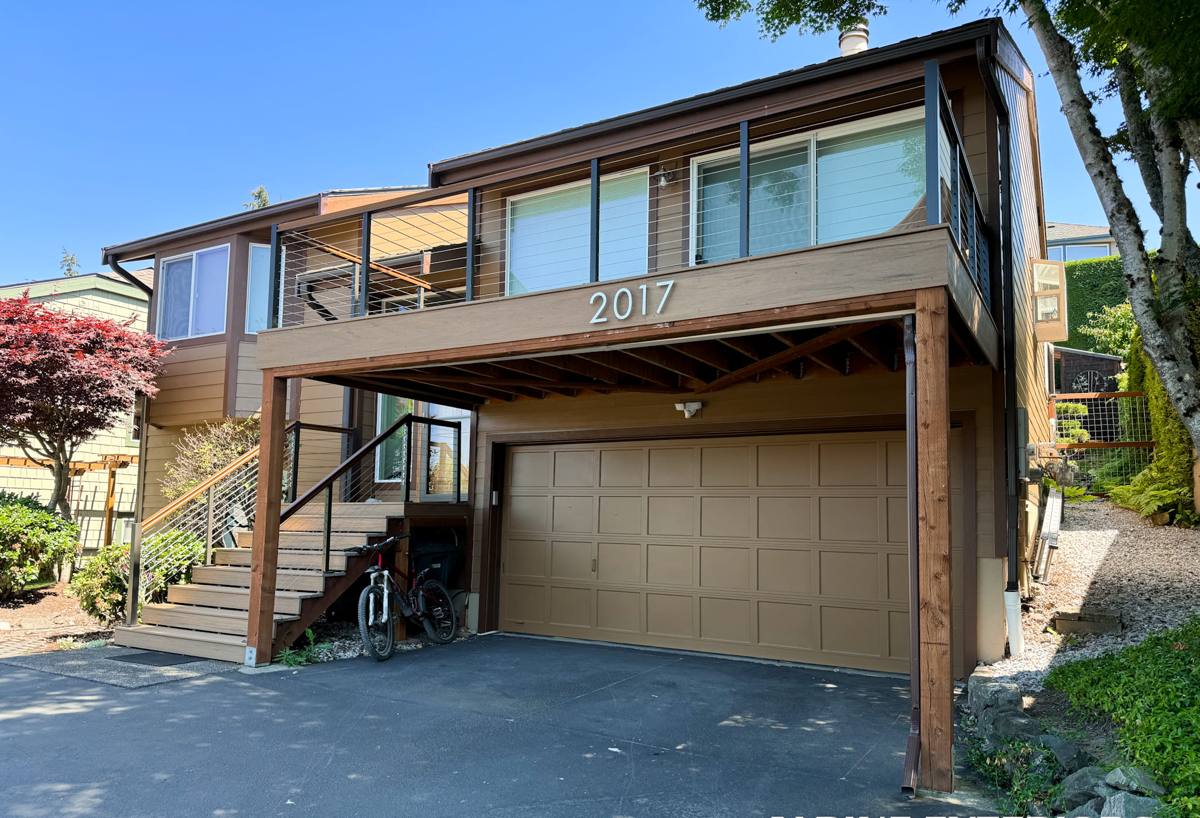
Why the Distinction Even Matters in This Climate
Ferndale sits close enough to Bellingham Bay and the Salish Sea that salt-laden air is a routine part of the weather, not an occasional event. Add in the long, wet fall-through-spring stretch typical of Whatcom County, and a siding product spends most of the year either damp, drying, or growing something green on its north-facing surfaces. Moss doesn't just look bad here — sustained moisture held against a wall by moss or algae growth is exactly the condition that separates a well-engineered fiber cement product from a merely adequate one.
That's the lens we use when comparing fiber cement brands: not "which one is fiber cement" (they both are) but "which one is engineered, finished, and backed in a way that holds up to this specific weather pattern, year after year, without babysitting."
What Salt Air and Moss Actually Do to Siding
Salt air accelerates corrosion of fasteners and trim hardware if they aren't rated for coastal exposure. Persistent moss and algae growth trap moisture against the board surface, which stresses paint films and factory finishes over time — especially at butt joints, cut edges, and anywhere caulking has started to fail. None of this is unique to one brand. It's the reason finish quality and factory sealing matter more here than they would in a dry inland climate.
Where the Real Differences Show Up
Once you get past "both are fiber cement," the practical differences between Allura and James Hardie come down to a handful of things: the factory finish system, how the product is engineered for specific climate zones, and the depth of support behind the warranty.
Factory Finish Coverage
James Hardie's ColorPlus finish is baked on in a controlled factory process and includes finish touch-up systems designed specifically to match, with a finish warranty that's separate from and in addition to the substrate warranty. Allura also offers factory-primed and some factory-finished options, but the depth of the color program, the touch-up ecosystem, and the number of finish options available through our regional suppliers is narrower. For a home that's going to see UV, salt air, and repeated wet-dry cycles, we've found the finish is often what determines how the siding looks in year twelve, not just year one.
Climate-Zone Engineering
James Hardie manufactures distinct product lines engineered for different climate exposures — including an HZ5 line built for the freeze-thaw and moisture patterns of the Pacific Northwest. That's not a marketing label; it affects the board's moisture resistance formulation and installation specifications. Allura's engineering approach is less regionally segmented in the products readily available through our local supply chain, which means more of the moisture performance falls on installation detailing rather than the board itself.
Local Supply Chain and Warranty Support
This is the least glamorous reason, but it's often the most practical one for a homeowner. James Hardie has a deep, established distributor and installer network in Western Washington, which means faster access to matching replacement boards years down the road, a well-worn warranty claims process, and a large enough local installer base that workmanship issues get resolved instead of argued about. Allura's presence in our regional supply chain is thinner. If a board gets damaged in year eight, "can we get an exact match locally" is a real question — and for Allura, the answer has been slower and less certain than we're willing to promise our customers.
Side-by-Side: What We Weigh
| Factor | James Hardie | Allura |
|---|---|---|
| Material | Fiber cement | Fiber cement |
| Climate-specific engineering | Dedicated HZ5 line for PNW moisture/freeze-thaw | Fewer regionally segmented product lines locally |
| Factory finish system | ColorPlus with dedicated touch-up program | Primed and some finished options, narrower local selection |
| Local distributor depth (Whatcom County) | Established, multiple stocking distributors | Limited local stocking, longer lead times |
| Warranty structure | Separate substrate and finish warranties, transferable | Substrate warranty, finish terms vary by SKU |
| Non-combustible | Yes | Yes |
Installation Sensitivity Isn't a Brand Problem — It's a Fiber Cement Problem
Whether it's Hardie or Allura, fiber cement siding is only as good as the installation. Both products require correct clearances above grade and roofing, proper flashing at every penetration, factory-cut or properly sealed field cuts, and fastener patterns that match the manufacturer's wind and exposure specs. In a climate like Ferndale's, skipping any of that shows up as a moisture problem within a few wet seasons, not decades. This is true across brands — it's just that we've built our entire installation process, crew training, and detailing standards around one manufacturer's specifications, so we know exactly how to execute it correctly every time rather than switching specs project to project.
What Correct Installation Requires Regardless of Brand
- Minimum clearance (typically 6+ inches) between siding and grade, and 1–2 inches above roofing
- Rainscreen or drainage plane behind the siding in high-moisture exposures
- Factory-primed or sealed cut edges on every field cut, no exceptions
- Corrosion-resistant, climate-rated fasteners — especially important given salt air exposure
- Correct caulking and flashing at every window, door, and penetration
- Manufacturer-specified fastener spacing and nailing pattern for local wind exposure
Why We Standardized on One System
Running one crew that installs one manufacturer's product to spec, every time, is a deliberate choice. It means our installers aren't relearning clearance specs, fastener requirements, or finish touch-up procedures depending on which brand showed up on the truck. It means when a homeowner calls us in year six about a color-match question, we already know the answer. And it means the warranty we back up is one we understand completely — substrate coverage, finish coverage, and labor coverage, all from one manufacturer with a strong track record and a real presence in the Pacific Northwest supply chain.
We're not telling homeowners that every Allura installation is destined to fail. We're telling them that after weighing climate-specific engineering, factory finish depth, and long-term local support, we made a professional call to put our name behind one system rather than split our expertise across several.
What This Means If You're Comparing Quotes
If another contractor quotes Allura or another fiber cement brand, that doesn't automatically mean a bad choice — it means you should ask the same questions we asked ourselves before standardizing. Get specific: What's the finish warranty, separate from the substrate warranty? Is the product line rated for this climate zone, or a general national spec? Where's the nearest stocking distributor, and how long is the wait for a color-matched replacement board? Those answers matter more than the brand name on the invoice.
Questions Worth Asking Any Siding Contractor
- Is the substrate warranty and finish warranty the same document, or separate?
- Is this specific product engineered for Pacific Northwest moisture and freeze-thaw exposure?
- How far away is the nearest stocking distributor for replacement boards?
- What clearance and flashing details will be used at grade, roofline, and penetrations?
- Is the workmanship warranty transferable if the home sells?
The Bottom Line for Ferndale Homeowners
Salt air off the Salish Sea, driving rain through the winter, and a moss season that can stretch six months or more all put real, sustained stress on siding. Fiber cement as a category holds up well to that stress — but the depth of climate-specific engineering, the finish system, and the local supply and warranty support behind the specific product matter as much as the fact that it's fiber cement at all. That combination is why we chose to install James Hardie exclusively rather than carry multiple brands.
If you're weighing siding options for a home in Ferndale or anywhere else in Whatcom County, we're happy to walk through what we install, why, and how it holds up to this specific climate. Reach out for a free, no-pressure estimate — we'll look at your home's actual exposure and give you a straight answer, not a sales pitch.