 Ferndale Siding
 Roof Replacement for Sumas Homes
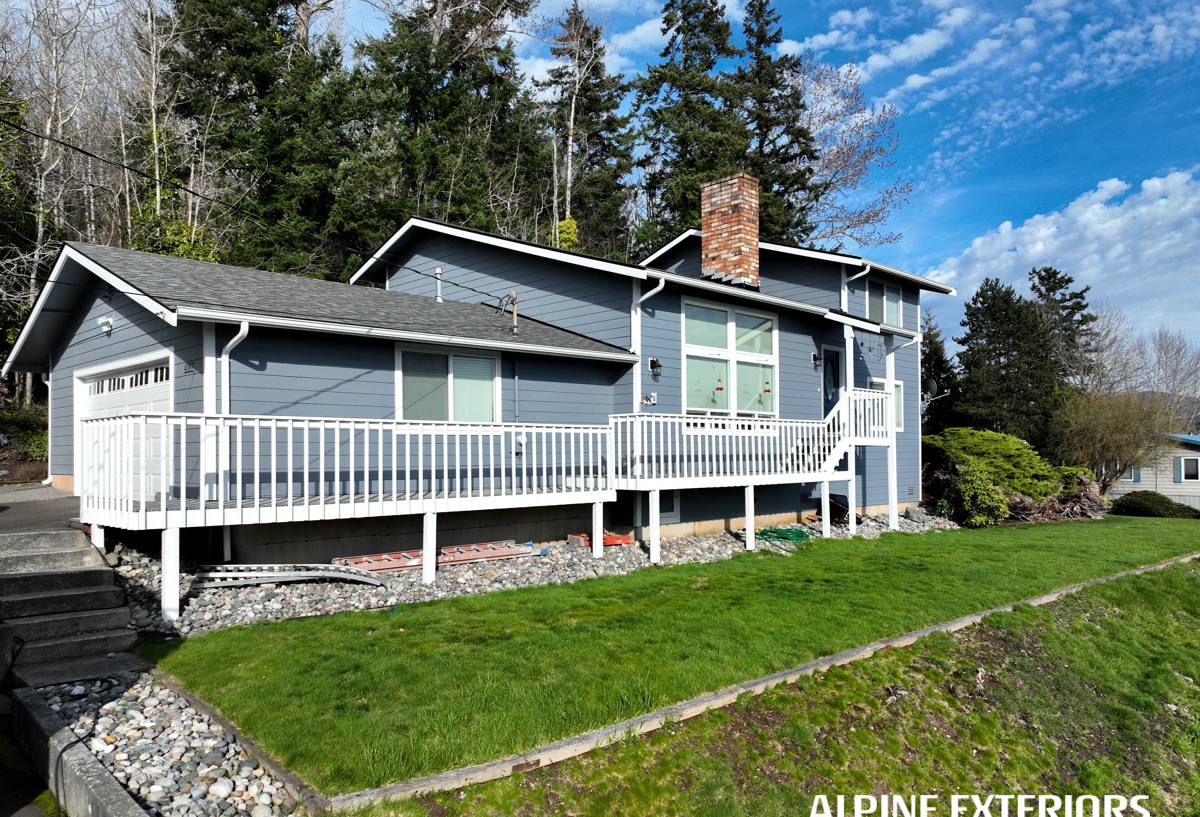
Sumas sits out toward the eastern edge of Whatcom County, close enough to the Nooksack valley and the Canadian border that its roofs take a different kind of beating than a house tucked into a subdivision closer to town. Moisture-laden air moves in off the Sound and the Strait through the county, driving rain comes in sideways during fall and winter storms, and shaded, tree-lined lots hold onto damp longer than open ground does. That combination is hard on a roof, whatever it's covered with. A roof replacement here has to account for all of it, not just match whatever was on the house before.
This page is about one job in one place: putting a correct, well-built roof on a home in the Sumas area. Not a general overview of roofing — the specific things that matter for a house dealing with this climate, year after year.
What This Climate Does to a Roof Over Time
Every roofing material has a design life on paper. What actually shortens that life in Whatcom County is moisture that doesn't get a chance to dry out between storms.
Moss and Organic Growth
Long wet seasons and shaded rooflines are exactly what moss needs to take hold. Moss doesn't just look bad — it holds water against the roofing material, works its way under shingle tabs and shakes, and can lift edges enough for wind-driven rain to get underneath. Once moss has been established for a few seasons, granule loss and mat rot usually follow, and simple cleaning stops being enough.
Driving Rain and Wind
Storms in this part of the county tend to come with sideways rain, not just straight-down rain. That matters because it pushes water sideways under laps, around flashing, and into any gap that a fair-weather roof detail would never expose. A roof built for milder conditions elsewhere often isn't sealed and flashed aggressively enough for what a Sumas winter actually does to it.
Temperature Swings and Freeze-Thaw
Being further inland than the coastal parts of the county, Sumas sees a few more cold snaps and hard frosts each winter. Water that's worked its way into a roof deck or underlayment through a failed seal can freeze, expand, and widen the damage — turning a small leak into a bigger repair by spring.
Signs a Sumas Roof Needs Replacement, Not Another Repair
Homeowners often call us for a repair and find out the roof is past the point where patching makes sense. Here's what we actually look for:
- Granule loss heavy enough that you can see bare, shiny patches on asphalt shingles
- Moss established in mats, not just a light green tint on the surface
- Shingles that are cupping, curling at the edges, or cracking when touched
- Soft spots or give underfoot when walking the roof (a sign of deck damage)
- Repeated leaks in different spots after past patch jobs
- Visible daylight or staining in the attic along the roof deck or rafters
- A roof that's already had two or more repair visits in the last few years
- Flashing around chimneys, vents, or valleys that's rusted, lifted, or missing sealant
One or two of these can often still be repaired. Several at once, especially combined with the roof's age, usually means a repair is just delaying the inevitable and spending money that would have gone toward the replacement anyway.
What a Correct Roof Replacement Actually Includes
A roof replacement isn't just stripping the old material and nailing down new shingles. Done right, it's a full system, and skipping any part of it is what leads to the same problems coming back in a few years.
Full Tear-Off and Deck Inspection
We remove the existing roofing down to the deck rather than layering over it. That's the only way to actually see the plywood or plank decking underneath — which is where moisture damage from a failing roof usually shows up first. Any soft, rotted, or delaminated decking gets replaced before anything new goes down, not covered up.
Underlayment and Moisture Barrier
Given how much wind-driven rain this area sees, the underlayment layer matters as much as the visible roofing material. We use a synthetic or ice-and-water-shield underlayment at eaves, valleys, and around penetrations — the places where wind-driven rain is most likely to get pushed backward under the surface layer.
Flashing and Penetrations
Chimneys, plumbing vents, skylights, and roof-to-wall transitions are where most leaks actually start, not out in the open field of the roof. New step flashing, counter-flashing, and pipe boots are part of a proper replacement, not an afterthought.
Ventilation
A roof deck that can't breathe traps moisture from inside the house against the underside of the sheathing, which speeds up rot regardless of how good the roofing material is. We check intake and exhaust ventilation as part of the job and correct it where it's undersized or blocked — this also helps control ice buildup at the eaves during cold snaps.
Material Options for Sumas Homes
There's no single "right" material for every house — it depends on the roof's slope, the home's style, and how much long-term maintenance the owner wants to take on. Here's how the common options compare for this climate specifically:
| Material | Moss/Moisture Resistance | Maintenance | Typical Lifespan |
|---|---|---|---|
| Architectural asphalt shingle | Good, with proper underlayment and zinc/copper strips | Occasional moss treatment | 25–30 years |
| Metal (standing seam or panel) | Excellent — sheds water fast, resists moss | Low | 40–50+ years |
| Cedar shake | Requires diligent upkeep in a wet, mossy climate | High — regular treatment needed | 20–25 years with upkeep |
| Composite/synthetic shake or slate | Good, engineered to resist moisture uptake | Low to moderate | 40–50 years |
We'll walk through the honest trade-offs for a given roof rather than push one product. Cedar shake, for example, can look great, but in a climate with this much sustained moisture and moss pressure it demands more upkeep than a lot of homeowners want to sign up for — that's a maintenance conversation, not a knock on the material itself. Metal costs more up front but asks the least of the homeowner afterward.
Our Roof Replacement Process
- On-site inspection and estimate: We walk the roof (not just look at it from the ground), check the attic if accessible, and give you a written estimate with the scope spelled out.
- Material selection: We go over the options that make sense for your roof's slope, exposure, and your budget — no pressure toward the most expensive option.
- Scheduling around the weather: Roofing work needs a dry window. We plan around the forecast rather than rushing a tear-off into a rain system.
- Tear-off and deck repair: Old material comes off, the deck gets inspected, and any damaged sheathing is replaced before we move forward.
- Underlayment, flashing, and ventilation: The system underneath the visible roofing goes in correctly — this is the part that actually determines how the roof holds up.
- New roofing installed: Manufacturer specs followed for nailing pattern, exposure, and fastening — details that affect both performance and warranty coverage.
- Final walkthrough and cleanup: We check the finished roof with you and clear the site of debris and old material.
Why a Crew That Already Works in Sumas Matters
Roofing crews that mostly work in drier or milder climates sometimes under-flash a roof, skip the ice-and-water shield at eaves, or size ventilation for conditions that don't match what a Whatcom County winter actually delivers. A crew that regularly works this part of the county already knows which details can't be skipped here — where wind-driven rain tends to get in, how much moss pressure a given roof pitch and tree cover will see, and how the local permitting and inspection process works.
There's also a practical side to it: a crew based in the area can get out to look at a problem, start a job in a dry window, or come back for warranty follow-up without a long drive eating into the schedule. That matters more here than it sounds, given how narrow the dry-weather windows for roofing work actually are through a typical fall and winter.
What Affects Roof Replacement Cost in Sumas
Every roof is different, so exact numbers depend on the inspection, but these are the factors that move the price up or down on most jobs:
| Factor | Why It Matters |
|---|---|
| Roof size and number of stories | More square footage and steeper access mean more material and labor time |
| Roof pitch and complexity | Multiple valleys, dormers, and steep slopes take longer and need more flashing detail |
| Deck condition | Rotted or soft decking found during tear-off adds repair cost, but skipping it isn't an option |
| Material choice | Asphalt, metal, and composite materials sit at different price points and labor demands |
| Layers of existing roofing | Removing multiple old layers takes more labor than a single-layer tear-off |
| Ventilation upgrades needed | Adding or correcting intake/exhaust venting is worth doing right, and adds modest cost |
We'd rather walk your roof and give you real numbers than throw out a broad range that doesn't mean much for your specific house. Most homeowners find it useful to get that inspection done even if they're not ready to schedule the work yet, just to know where the roof actually stands.
Get an Estimate for Your Sumas Roof
If your roof is showing moss buildup, past-due repairs, or you're just not sure how much life it has left, we're glad to come take a look. The estimate is free, there's no pressure to sign anything on the spot, and you'll get a straight answer about whether a repair still makes sense or it's time to talk replacement. Use the form below to get in touch and we'll schedule a time to walk the roof with you.