 Ferndale Siding
 Windows Built for the Lummi Nation Climate
Homes in and around Lummi Nation sit close to the water, and that changes what a window has to survive. Salt-laden air corrodes weak hardware faster than it would ten miles inland. Driving rain off the Strait pushes water sideways into gaps that would stay dry in a calmer climate. And the long, damp moss season that defines Whatcom County winters keeps window sills, tracks, and exterior trim wet for weeks at a stretch. A window that isn't built and installed with those three things in mind will show problems years before it should.
This page is about one job, done right, in one area: replacing windows on homes near Lummi Nation and greater Ferndale. Not a general overview of window brands or a national buying guide — the specific realities of coastal Whatcom County and what a correct installation actually requires here.
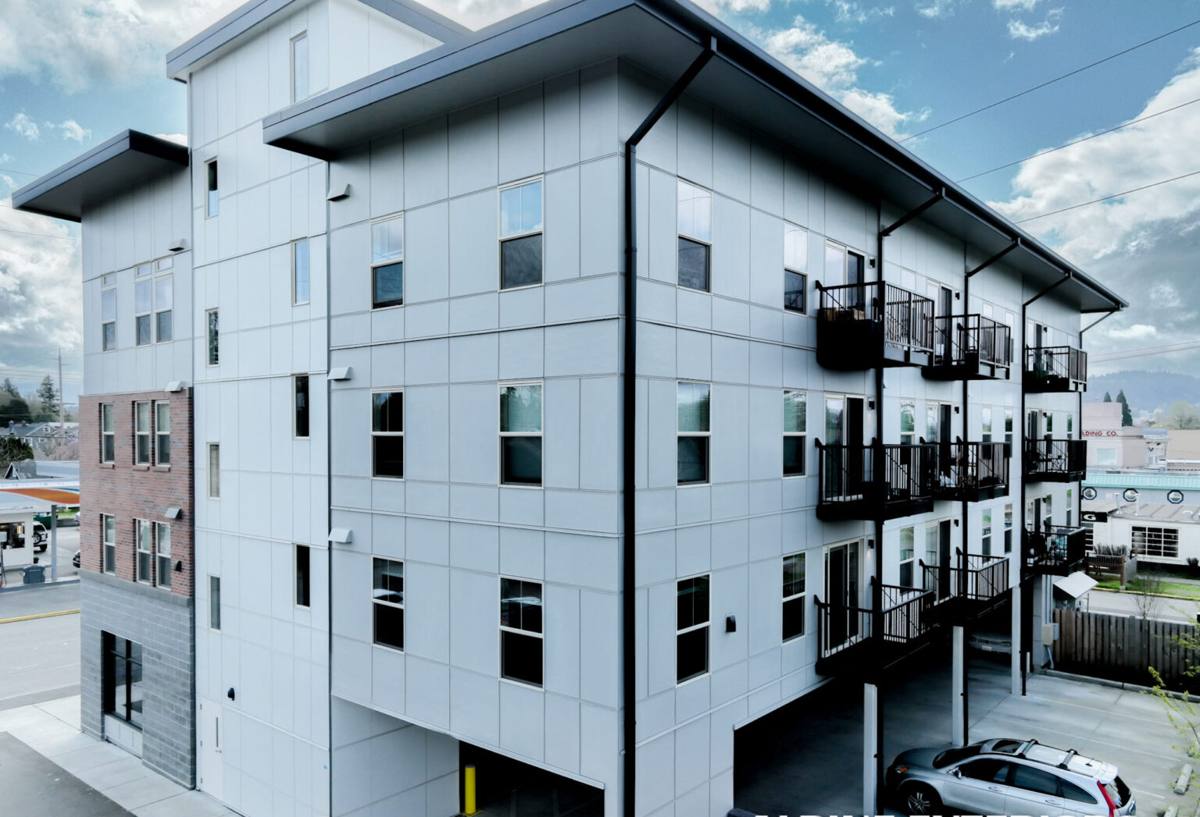
How This Climate Wears Out Windows
Salt Air and Hardware
Locks, hinges, balance systems, and screws are usually the first casualties near the water. Standard mill-finish aluminum and unprotected steel hardware pit and corrode faster in salt air, which is why the hardware package on a replacement window matters as much as the frame material itself.
Driving Rain and Wind-Driven Water
Wind off the water doesn't just hit a window head-on — it drives rain sideways and up under trim, sills, and poorly sealed flanges. A window opening that was sealed for a calmer inland lot often isn't sealed well enough here. This is a flashing and installation issue as much as a product issue.
Moss, Moisture, and Wood Rot
Long wet seasons keep organic growth active on north-facing walls, sills, and anywhere water sits instead of draining. Moss holds moisture against wood trim and sheathing, which accelerates rot around window openings that aren't detailed to shed water quickly.
Signs a Window Needs Replacing, Not Just Repair
Not every problem window needs full replacement. But when you see more than one of these, patching stops being cost-effective:
- Soft or spongy wood at the sill or lower corners of the frame
- Fogging or a permanent haze between panes of a double-pane window (failed seal)
- Windows that are noticeably harder to open, close, or lock than they used to be
- Visible daylight, drafts, or whistling around the sash when it's windy
- Paint or finish that keeps failing in the same spot no matter how often it's touched up
- Moss or dark staining building up on the sill or exterior trim faster each year
- Rising heating bills with no other explanation
What a Correct Installation Actually Involves
The Opening Matters More Than the Window
Most window failures near the water trace back to the opening, not the glass. Before a new window goes in, the rough opening needs to be checked for hidden rot, the old flashing needs to come out (not get sealed over), and the sill needs a slight pitch so water runs out, not in. Skipping this step is the single most common shortcut that causes callbacks two or three years later.
Flashing and Weatherproofing Sequence
Water management around a window follows a strict order — sill pan first, then side flashing, then the window itself, then head flashing lapped over the top, then house wrap integrated over that. Done out of order, or with the wrong materials, water gets trapped behind the window instead of shed away from it. This sequence is not optional in a driving-rain climate.
Sealing Without Trapping Moisture
It's tempting to caulk every seam for a tight seal, but a window assembly still needs a way for any moisture that does get in to escape. We seal the exterior weather barrier fully while leaving the interior air seal as the primary barrier — sealing both sides solid is a common mistake that traps water inside the wall.
Fasteners and Hardware
Given the salt air here, we use corrosion-resistant fasteners and hardware rated for coastal exposure rather than standard-grade parts. It costs a little more up front and saves a service call in five years.
Choosing the Right Window for a Coastal, Damp Climate
There's no single "best" window — the right choice depends on the home, the exposure, and the budget. Here's how the common frame materials actually perform in this specific climate:
| Frame Material | How It Handles Salt Air & Moisture | Maintenance | Typical Fit |
|---|---|---|---|
| Vinyl | Won't corrode or rot; performs well in salt air | Low — occasional cleaning | Most homes, best value |
| Fiberglass | Very stable in wet, corrosive conditions; expands/contracts closer to the wall itself | Low | Higher-exposure walls, longer-term hold |
| Wood (unclad) | Handsome but vulnerable to moss, rot, and constant damp unless meticulously maintained | High — regular refinishing | Historic or interior-style match where upkeep is expected |
| Wood-clad (vinyl/aluminum exterior) | Exterior shell resists moisture; interior keeps a wood look | Moderate | Homes wanting a wood interior without full wood-maintenance exposure |
| Aluminum (standard, non-thermally-broken) | Conducts cold and can corrode without a protective finish | Moderate | Generally not our first recommendation for this climate |
For most homes near Lummi Nation, we steer people toward vinyl or fiberglass for the frame, paired with a dual-pane, low-E, argon-filled glass package. The glass coating and gas fill do more for comfort and energy performance than most homeowners expect — it's worth the modest upcharge over basic clear dual-pane glass.
Our Process, Start to Finish
1. Walkthrough and Honest Assessment
We look at every window being considered, check the openings (not just the sash), and tell you plainly which ones need replacing now, which can wait, and which just need minor repair. We're not going to sell you eight windows if three actually need it.
2. Measuring and Ordering
Openings get measured precisely — older homes in this area are rarely perfectly square, and an accurate measurement now avoids gaps, shimming problems, or a delayed reorder later.
3. Removal and Opening Inspection
Old windows come out carefully, and we inspect the framing underneath before anything new goes in. If there's hidden rot from years of moisture exposure, we address it then — not after the new window is already sealed in place over a problem.
4. Installation and Weatherproofing
New windows go in plumb, level, and square, with the full flashing and sealing sequence described above. This is the step that determines whether the window performs for twenty years or five.
5. Final Walkthrough and Cleanup
We test operation and locks, clean up the work area, and walk the job with you before we consider it done.
What Drives the Cost of a Window Replacement
Every home is different, but the price of a window job generally comes down to a handful of factors:
| Factor | Why It Moves the Price |
|---|---|
| Frame material | Vinyl is typically the most economical; fiberglass and wood-clad cost more |
| Glass package | Standard dual-pane vs. low-E/argon vs. triple-pane changes both cost and performance |
| Opening condition | Hidden rot or out-of-square framing adds repair time before the new window can go in |
| Window size and style | Larger units, custom shapes, and operable styles (casement, awning) cost more than standard sliders or single-hungs |
| Number of windows | Whole-house jobs generally lower the per-window cost compared to one-off replacements |
| Access and second-story work | Harder-to-reach openings take longer and require more equipment |
We'll walk through these factors with you on-site so the estimate reflects your actual home, not a generic average.
Why a Crew That Already Works This Area Matters
A crew that regularly works homes near Lummi Nation and Ferndale already knows how this coastline behaves — which exposures take the worst of the wind-driven rain, how fast moss builds back up on a north wall, and what corrosion actually looks like on hardware that's been salt-exposed for a decade. That's not something you learn from a manual; it's something you learn from doing the work here repeatedly.
We also understand that homes in this area sit under a mix of property and permitting situations, and we make sure our process respects whatever requirements apply to your specific property before work begins. A crew unfamiliar with the area can miss that step entirely, which causes delays nobody wants.
Local also means accountability. If something needs a follow-up visit, we're not driving in from out of the region to handle it.
After the Install: Keeping New Windows Performing
New windows still need basic upkeep in this climate to get their full lifespan:
- Clear moss and debris from sills and tracks a couple of times a year, especially after fall storms
- Check that weep holes (the small drainage openings on the exterior sill) stay clear so water can drain out
- Rinse salt residue off exterior frames periodically if you're close to the water
- Test locks and operation each season so any hardware issue gets caught early, not after it fails
None of this is heavy maintenance — it's the kind of five-minute check that keeps a well-installed window problem-free for decades.
Get an Honest Look at Your Windows
If your windows are fogging, sticking, drafty, or just showing their age, we're happy to come take a look and give you a straight answer about what's actually needed — no pressure, no upsell. Fill out the form below to schedule a free estimate for your home near Lummi Nation or greater Ferndale.