 Ferndale Siding
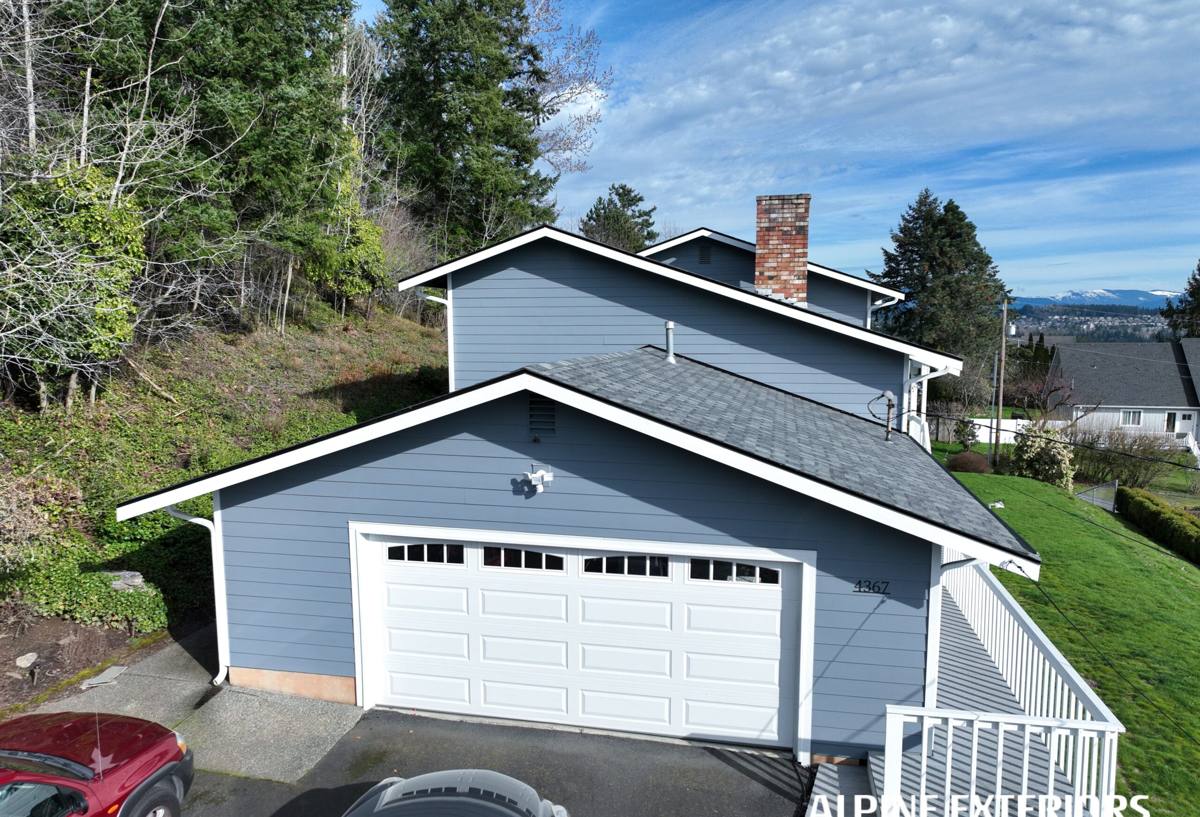
 New Roof Installation for Everson Homes
Everson sits in the part of Whatcom County where river-valley humidity, heavy tree cover, and a long wet season all combine to shorten a roof's working life faster than homeowners expect. Whether your property sits closer to the Nooksack or out toward the edges of Ferndale where the air carries more moisture off the water, the underlying problem is the same: this region simply keeps roofing materials wet, shaded, and cool for more months out of the year than most manufacturers design for. A new roof installed here needs to account for that from day one, not as an afterthought.
This page covers what a correct new roof installation actually involves for an Everson-area home, the material and process decisions that matter most in our climate, and why local experience on the roof — not just experience in general — makes a real difference in how long that roof lasts.
What Whatcom County Weather Does to a Roof
Moss, Algae, and Organic Growth
Everson's tree cover and river humidity create ideal conditions for moss and algae to take hold on roofing surfaces, especially on north-facing slopes and anywhere shade lingers into the afternoon. Left unmanaged, moss doesn't just sit on top of shingles — its root structure works into the granule surface and lifts shingle edges, which is exactly where water finds its way underneath. A roof that looks intact from the ground can already have moisture working under the shingle mat.
Driving Rain and Wind
Whatcom County storms often bring rain sideways rather than straight down, which pushes water up under shingle laps and into any gap in flashing that a fair-weather installation might get away with elsewhere. Salt-tinged marine air off the Strait adds another layer of wear on metal flashing, fasteners, and vents across this whole corner of the county — it accelerates corrosion on lower-grade hardware faster than homeowners moving here from drier regions usually anticipate.
Freeze-Thaw and Ice Damming
Everson doesn't see the deep freezes of the mountains, but the region does get enough cold snaps combined with heavy rain to create ice damming at eaves and valleys when insulation and ventilation aren't dialed in. That freeze-thaw cycling, repeated over years, is one of the quieter ways an otherwise "fine looking" roof develops leaks at its most vulnerable seams.
Signs an Everson Roof Needs Replacement, Not Another Repair
Most roofs give warning signs well before a full failure. The trouble is that from the ground, many of these signs look cosmetic rather than structural. Here's what we look for during an inspection:
- Granule loss heavy enough that shingles look patchy or a different color than when installed
- Moss or algae staining that returns within a season of cleaning, especially on shaded slopes
- Shingles that are cupping, curling at the edges, or cracking when walked on
- Soft spots or noticeable give in the decking underfoot
- Daylight visible through the attic roof boards, or damp insulation below the deck
- Flashing around chimneys, skylights, or vent pipes that's rusted, lifted, or resealed with visible caulk patches
- A roof that's approaching or past 20 years old and has never been fully torn off and re-decked
Any one of these on its own might be a repair. Several together, or a roof already past two decades of exposure to this climate, usually means a repair is just delaying a full replacement.
Choosing a Roofing System Built for This Climate
Material choice matters more in Everson's climate than it does in drier parts of the country, because moisture exposure and shade duration are the two biggest factors in how long any roof actually lasts here — regardless of what the manufacturer's warranty label says.
| Material | Typical Lifespan Here | Moss/Moisture Behavior | Relative Cost |
|---|---|---|---|
| Standard 3-tab asphalt shingle | 15-20 years | Lower granule density, more prone to moss anchoring | Lowest |
| Architectural (laminate) shingle | 25-30 years | Better resistance with algae-resistant granules; still needs shaded-slope attention | Moderate |
| Impact-rated composition shingle | 25-30 years | Similar moisture behavior to architectural, tougher against debris | Moderate-High |
| Standing seam metal | 40-50+ years | Sheds water and moss fastest; minimal organic anchoring surface | Highest upfront |
None of these is automatically "the right one" — the correct call depends on your roof's slope, shade exposure, budget, and how long you plan to stay in the home. What matters most is that whatever material is chosen gets installed with details suited to this climate, which is where most of the actual performance difference comes from.
What a Correct Installation Actually Involves
Full Tear-Off and Deck Inspection
We don't install new roofing over old layers. A full tear-off is the only way to actually see the decking underneath — soft spots, old water staining, or rot that's been hiding under the previous roof for years. Any damaged decking gets replaced before anything new goes down; skipping this step is one of the most common shortcuts that leads to early failure.
Ice-and-Water Barrier and Underlayment
Given how much of the year Everson roofs deal with driving rain, self-adhering ice-and-water barrier at eaves, valleys, and around all penetrations isn't optional in our process — it's the layer that keeps wind-driven water out even if the surface layer is ever compromised. A quality synthetic underlayment covers the rest of the deck as a second line of defense.
Flashing and Ventilation
New, correctly lapped flashing at every chimney, skylight, and wall intersection matters more than the shingle brand on top of it — most leaks trace back to flashing, not field shingles. We also verify intake and exhaust ventilation is balanced, since poor attic airflow is what drives both ice damming in winter and premature shingle aging in summer.
Fasteners and Hardware
Corrosion-resistant fasteners and flashing hardware matter in a marine-influenced climate like ours; cutting corners here shows up as rust streaking and loosened material years before it should.
Our Process, Start to Finish
- On-site inspection and honest assessment — we walk the roof and attic, not just the yard, before recommending replacement over repair.
- Written estimate — material options, scope, and cost laid out clearly, with no pressure to decide on the spot.
- Scheduling around weather — in a climate like this, timing tear-off against the forecast is part of doing the job right.
- Full tear-off and deck repair — as described above, with any rot or soft decking addressed before new material goes on.
- Installation to manufacturer and climate-specific detail — barrier layers, flashing, and ventilation done correctly, not just shingles nailed down.
- Cleanup and magnetic sweep — the property is cleared of debris and checked for stray fasteners before we consider the job finished.
- Final walkthrough — we go over the finished roof with you before calling it done.
Why Local Everson and Ferndale Experience Matters
A roofing crew that already works this part of Whatcom County knows things a traveling or out-of-area contractor has to learn on your dime: which slopes in this area hold shade long enough to need extra moss consideration, how the local permitting process actually works, and what ventilation setups tend to underperform on older homes built before current energy codes. That familiarity shows up in fewer surprises during the job and a roof that's installed with this specific climate in mind rather than generic best practices from a drier region.
It also means accountability. A crew that lives and works in this community has a reason to stand behind the work beyond the length of a warranty document — reputation here is built one correctly installed roof at a time.
Protecting Your Investment After Installation
A new roof's lifespan in this climate depends partly on what happens after installation day. A few habits go a long way:
- Keep gutters clear so water isn't backing up under eave edges during heavy rain
- Trim back overhanging branches to reduce shade duration and organic debris on the roof surface
- Schedule a gentle, non-pressure-washed moss treatment before growth becomes established, especially on shaded slopes
- Have the roof visually checked after major windstorms for lifted flashing or displaced shingles
- Keep attic ventilation paths (soffit vents, baffles) clear of insulation that can block airflow over time
These small maintenance habits are the difference between a roof that reaches the top end of its expected lifespan and one that starts showing problems years early.
If your Everson-area home is due for a new roof, or you're not sure whether what you're looking at is a repair or a replacement, we're happy to take a look. The estimate is free, there's no pressure to commit on the spot, and you'll get a straight answer about what your roof actually needs — just fill out the form below to get started.