 Ferndale Siding
 Building New in Blaine? Your Windows Need to Match the Coastline
Blaine sits about as close to open water and the Canadian border as a Whatcom County home can get, with Semiahmo Bay, Drayton Harbor, and Boundary Bay all within a few miles of most building sites. That location is a selling point for the view, but it's also a hard test for building materials. Wind off the water carries salt, driving rain hits window walls at an angle instead of straight down, and the long gray stretch from fall through spring keeps every exterior surface damp longer than homeowners further inland ever deal with. New-construction windows are the one part of the building envelope that has to get the water management, the air sealing, and the corrosion resistance right the first time, because once siding and interior finishes go on, fixing a bad window install means tearing into finished work.
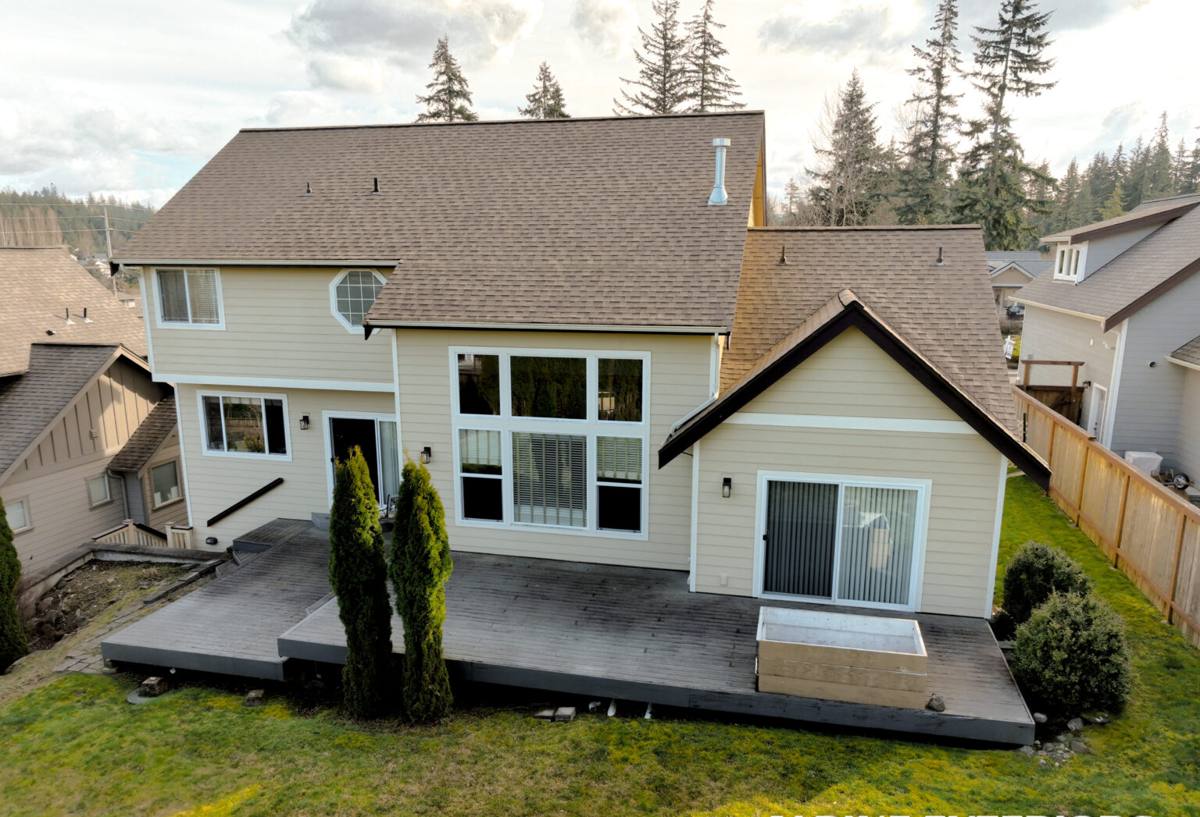
New-Construction Windows Are Not the Same Job as a Replacement
Homeowners sometimes assume any window installer can handle a new build, but new-construction windows and retrofit replacement windows are different products installed with different methods. On a new build, we're working with the wall still open — studs, sheathing, and weather-resistive barrier (WRB) exposed — before siding goes on. That gives us access to do the job properly from the outside in, rather than working around existing trim and finished walls the way a replacement job requires.
Why the Distinction Matters in Blaine Specifically
New-construction windows use a nailing flange (or "nail fin") around the perimeter that gets integrated directly into the WRB and flashing system. Done correctly, this creates a continuous drainage plane that sheds wind-driven rain before it ever reaches the framing. In a marine, salt-exposed environment like Blaine, that flange-and-flashing integration is the single biggest factor in whether a window leaks in year two or performs for decades. There's no room to skip a step or substitute a cheaper flashing tape here — the coastal exposure will find the gap.
What Blaine's Climate Actually Demands
Every region has its own combination of stressors, and building for "generic Pacific Northwest rain" isn't the same as building for Blaine's specific exposure. Three things drive our approach on every new-construction window job here:
- Salt air corrosion — Proximity to Boundary Bay and the Strait of Georgia means airborne salt settles on hardware, fasteners, and frame components. Untreated or low-grade metal fasteners and cheap cladding finishes corrode noticeably faster here than a few miles inland.
- Driving, wind-driven rain — Open water exposure means rain doesn't always fall straight down. It gets pushed sideways into window walls, which puts real pressure on sill pans, head flashing, and sealant joints that a calm-air installation would never test.
- Long moss and moisture season — Whatcom County's extended damp season, roughly October through May, means any trapped moisture behind a window opening doesn't get a chance to dry out for months. Small flashing mistakes that would self-correct in a drier climate instead sit wet and start rot or mold behind the wall.
None of this means Blaine is an unusually difficult place to build — it just means the margin for error on flashing details and material selection is thinner than in a lot of inland markets.
What a Correct New-Construction Window Installation Involves
A proper install follows a sequence, and skipping or reordering steps is where most future leaks originate. On every rough opening, our process includes:
- Inspecting the rough opening for square, level, and correct dimensions before the window ever arrives on site.
- Installing a sloped sill pan flashing so any water that gets past the window has a built-in path to drain back outward, not into the wall cavity.
- Applying jamb flashing that laps correctly over the sill pan — order of layers matters more than any single product used.
- Setting the window plumb, level, and square, then fastening through the nailing flange per the manufacturer's schedule (fastener type and spacing are not optional details).
- Head flashing installed last, lapped over the WRB above the opening so water sheds down and over, never behind.
- Integrating the whole flashing assembly with the house's WRB so it reads as one continuous drainage plane, not a patchwork of separate materials.
- Sealing and backer-rodding interior and exterior joints where the window meets framing, sized correctly so sealant can actually flex instead of tearing.
Every one of these steps is inspectable, and on a new build we welcome a builder or homeowner walking the site before insulation and drywall cover it up.
Choosing Frame Materials for a Salt-Air, High-Rain Environment
Frame material selection matters more in Blaine than in a drier, inland part of the state. Here's how the common options stack up against the specific conditions your build will face:
| Frame Material | Salt Air / Corrosion | Moisture & Rot Resistance | Maintenance |
|---|---|---|---|
| Vinyl | Good — won't corrode, though hardware quality varies by manufacturer | Good — non-porous, doesn't absorb water | Low |
| Fiberglass | Excellent — dimensionally stable, resists pitting and corrosion | Excellent — very low expansion/contraction with moisture cycling | Low |
| Aluminum-clad wood | Fair to good, depends on finish quality and fastener grade | Good on the exterior face; interior wood core still needs the seal to hold | Moderate |
| Bare wood | Poor without diligent upkeep — most exposed to the moss-season damp | Requires consistent refinishing to avoid rot | High |
We don't push one brand over another, but we do steer homeowners away from bare wood exteriors facing open water exposure in Blaine unless they're committed to a real maintenance schedule. It's not that wood windows are a bad product — it's that the upkeep burden in this specific climate is higher than most new-construction budgets plan for.
Our Process for New Builds in Blaine
New-construction window work happens on a schedule dictated by the framing and dry-in timeline, so coordination matters as much as installation skill.
Before Framing Is Complete
We review the window schedule against the plans, confirm rough opening sizes match ordered units, and flag any header or framing details that could affect flashing integration before walls are closed in.
At Dry-In
Windows go in as part of the weather-resistive barrier sequence, not after siding starts. This is the point where sill pans, jamb flashing, and head flashing all get tied into the WRB as one system.
Before Siding Installation
We do a final walk of every opening, checking that flashing laps are correct, fasteners are set, and nothing was disturbed by other trades working around the openings in the meantime.
After Siding and Trim
A final check confirms exterior trim and cladding didn't compromise any flashing edge, and that sealant joints are clean and properly sized.
Working Alongside Your Builder or General Contractor
On most new-construction jobs we're one of several trades on a schedule set by a general contractor, and window installation has to slot in at the right moment — not too early, not after siding crews are already staging material. We coordinate directly with the GC on timing, confirm window orders and rough openings match before delivery, and communicate any framing issues we find rather than working around them silently. A subcontractor who shows up on schedule and flags problems early saves a builder real time compared to one who installs quietly and lets issues surface at final inspection.
Why a Blaine-Familiar Crew Is Worth Requesting
Window installation fundamentals don't change by zip code, but familiarity with a specific area's conditions shows up in the details. A crew that regularly works Blaine and the surrounding Whatcom County coastline already knows which exposures see the worst wind-driven rain, has a feel for how long the moss season keeps things damp, and doesn't need to relearn salt-air fastener and sealant considerations on your job. That familiarity translates into fewer surprises during inspection and fewer callbacks after move-in.
A Homeowner's Checklist for New-Construction Windows
If you're building in Blaine and want to make sure this part of the job gets done right, ask your builder or window contractor about the following before openings are closed up:
- Is a sloped sill pan being installed under every window opening, not just window sills at ground level?
- Does the flashing sequence lap correctly — sill pan, then jambs, then head flashing over the WRB?
- Are fasteners rated for coastal or corrosion-prone environments, not just standard-grade hardware?
- What frame material is specified, and does it match the home's actual sun, wind, and rain exposure?
- Can you or your builder walk the openings before insulation and drywall cover the flashing work?
- Is there a written warranty covering both the window product and the installation labor?
If you're planning a new build in Blaine or elsewhere in the Ferndale area and want windows installed with the flashing and material choices this climate actually calls for, we're happy to walk the plans with you and provide a free, no-pressure estimate — the form below gets you started.