 Ferndale Siding
 Windows Built for Lummi Nation's Coastal Exposure
Homes around Lummi Nation sit close to Bellingham Bay and the open water of the Strait of Georgia, which means windows here take a beating that inland Whatcom County houses never see. Salt-laden air corrodes hardware and finishes faster than dry-climate ratings suggest. Driving rain off the water finds every gap in old flashing. And the long, wet moss season here keeps wood trim and sills damp for months at a stretch. A window that's "good enough" in Bellingham proper can fail early a few miles out toward the water, so the details matter more here than almost anywhere else in the county.
We install windows throughout Ferndale and the surrounding areas, and Lummi Nation is a community we return to regularly. That matters because window failure patterns aren't the same everywhere — a crew that's diagnosed rot, corroded hardware, and failed seals on homes near this specific stretch of coastline knows what to check before it becomes a bigger problem.
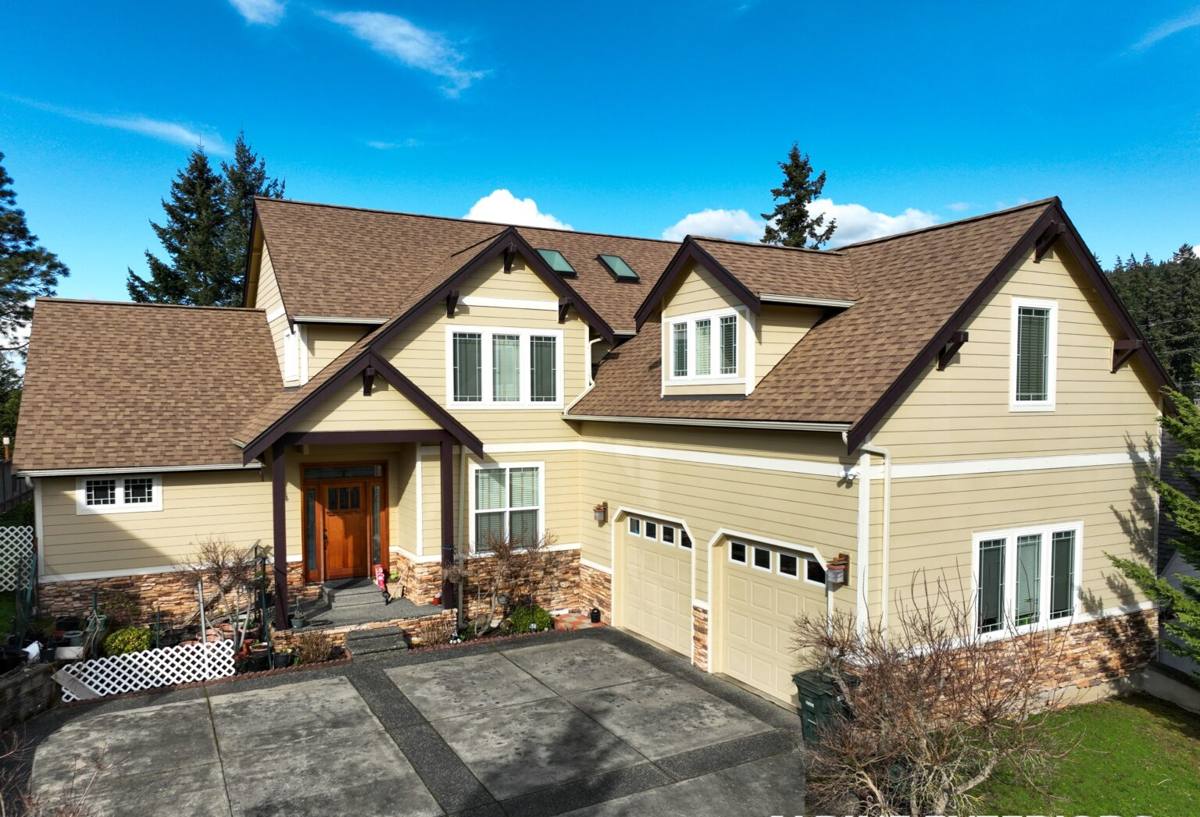
What Salt Air, Rain, and Moss Actually Do to Windows
Salt Air and Hardware
Salt spray carried on coastal wind settles on window frames, tracks, and hardware. Over years, it accelerates corrosion on lower-grade fasteners, hinges, and locking mechanisms — even on vinyl and aluminum-clad windows where the frame itself resists rust. Once hardware seizes or corrodes, windows stop sealing tightly, and that's when moisture starts working its way in.
Driving Rain and Wind-Driven Water
Storms off the water don't just fall straight down — wind pushes rain sideways into wall assemblies. Windows that weren't flashed correctly, or that rely on caulk alone to keep water out, eventually let water behind the siding. That's a slow leak that can go unnoticed for a season or two before staining or soft trim gives it away.
Moss, Shade, and Sustained Moisture
Whatcom County's wet season runs long, and homes with mature tree cover or north-facing walls near Lummi Nation stay damp longer than homes in open, sunnier spots. Moss and algae hold moisture against wood sills and trim, which is exactly the condition wood rot needs to take hold. Vinyl and fiberglass frames don't feed rot the way wood does, but the wood trim and sheathing around any window still can.
Signs Your Windows Are Ready for Replacement
Not every window problem means full replacement — sometimes it's a re-caulk or a hardware fix. But these are the signs we take seriously when we inspect a home near Lummi Nation:
- Fogging or a hazy film between panes of double-pane glass — the seal has failed and the gas fill is gone
- Soft, spongy, or discolored wood trim or sill around the window frame
- Windows that are hard to open, close, or lock, especially after damp weather
- Visible gaps between the window frame and siding, or daylight showing around the edges
- A cold draft near the window even when it's fully closed and latched
- Rising energy bills without a clear cause elsewhere in the home
- Paint or finish that's bubbling, peeling, or chalking on the frame or nearby trim
- Visible corrosion on hinges, locks, or cranks
If you're seeing two or more of these, it's worth a look before the underlying wall structure gets involved.
What a Correct Window Installation Actually Involves
A window installation is only as good as what's happening behind the trim, which is where most shortcuts get taken and never get noticed until years later. For a coastal property like this, we treat these steps as non-negotiable:
Proper Flashing, Not Just Caulk
Every window opening gets flashed in a shingled, water-shedding order — sill pan first, then side flashing, then head flashing over the top — so any water that gets past the exterior finish drains back out instead of pooling in the wall. Caulk is a backup layer, never the primary defense.
Sill Pans on Every Opening
A sill pan under the window creates a dedicated drainage path for any water that makes it past the glazing or frame seal. This is especially important in a climate where wind-driven rain is routine, not occasional.
Air Sealing and Insulation Around the Frame
Gaps between the window frame and the rough opening need to be sealed with the right material — typically a low-expansion foam or backer rod and sealant, not just stuffed with fiberglass insulation, which does nothing to stop air or moisture movement.
Hardware and Finish Selection
Given the salt exposure here, we pay attention to corrosion-resistant hardware and finishes rated for coastal or marine-adjacent use where the budget allows it. It costs a little more up front and saves a service call in five years.
Choosing the Right Window Material for This Climate
There's no single "best" window material — it depends on budget, maintenance tolerance, and how close the home sits to open water. Here's how the common options hold up under salt air, rain, and a long moss season:
| Material | Salt Air Performance | Moisture Resistance | Maintenance |
|---|---|---|---|
| Vinyl | Good — doesn't corrode | Good — won't rot | Low; occasional cleaning |
| Fiberglass | Very good — dimensionally stable, resists corrosion | Very good | Low |
| Aluminum-clad wood | Fair — cladding resists weather, but hardware and any exposed wood need attention | Good on the exterior face; interior wood still needs care | Moderate |
| All-wood | Poor without diligent upkeep — finish breaks down faster in salt air | Poor in sustained damp conditions unless refinished regularly | High |
For homes near Lummi Nation, we most often recommend vinyl or fiberglass for the exposure and low upkeep. We're not against wood-frame or clad windows — some homeowners want the look and are willing to keep up with the maintenance — but we'll always be straight about what that upkeep actually requires in this climate before you commit to it.
What Affects the Cost of a Window Installation
Every home is different, but these are the main factors that move the price up or down on a typical project:
| Factor | Why It Matters |
|---|---|
| Number and size of windows | More openings and larger units mean more material and labor |
| Material (vinyl, fiberglass, clad wood) | Fiberglass and clad wood generally cost more than standard vinyl |
| Condition of the existing opening | Rot or damage behind the old window means repair work before the new one goes in |
| New construction vs. replacement | Replacement into an existing opening is usually less invasive than a full-frame swap |
| Access and stories | Second-story or hard-to-reach windows take more time and equipment |
| Glass package | Upgraded low-E coatings or gas fills add cost but improve comfort and efficiency |
We give straightforward, itemized quotes so you know exactly what's driving the number — no vague lump sums.
Our Window Installation Process
1. On-Site Assessment
We look at each window opening from both inside and out, checking for existing water damage, rot, or hardware issues before we ever talk product options.
2. Honest Recommendations
We'll tell you which windows fit your budget and this climate, and where a cheaper option would likely mean more maintenance or a shorter service life. You make the call — we just want you deciding with full information.
3. Careful Removal
Old windows come out without damaging the surrounding siding or trim any more than necessary, and we address any rot or damage we find in the opening before the new window goes in — not after.
4. Flashing, Sealing, and Installation
Sill pans, flashing, and air sealing go in as described above, followed by the window itself, shimmed and set level and plumb.
5. Finish Work and Walkthrough
Trim, caulk lines, and touch-up work get finished cleanly, and we walk the job with you before we call it done.
Why a Crew That Already Works Lummi Nation Matters
Whatcom County covers a lot of different microclimates, from the drier eastern county to the exposed shoreline near Lummi Nation. A contractor who mostly works inland jobs may not think twice about hardware corrosion or wind-driven rain — because inland, it's rarely the deciding factor. Working this area regularly means we've already seen how salt air ages hardware, how moss holds moisture against north-facing trim, and which details actually matter here versus which ones are just extra cost. That experience shows up in fewer callbacks and windows that hold up the way they're supposed to.
Ready for a Straightforward Estimate
If your windows are showing their age, feeling drafty, or just due for an honest second opinion, we're happy to take a look. Fill out the form below for a free, no-pressure estimate on window installation for your Lummi Nation home.