 Ferndale Siding
 Roofing in Nooksack: A Different Set of Demands
Nooksack sits inland from the coastline that runs through Ferndale, but that doesn't mean the roof over your head has it easy. Whatcom County weather doesn't take a season off. Homes here deal with long stretches of steady rain, humid air that never fully dries out, and enough shade from surrounding trees and farmland to keep moss and algae in business year-round. Add in the occasional windstorm blowing rain sideways, and you've got a roofing environment that punishes shortcuts.
A new roof installation in this area isn't just about swapping old shingles for new ones. It's about building an assembly — decking, underlayment, ventilation, flashing, and roofing material — that's matched to how water and moisture actually move through a Pacific Northwest roof over the next 20 to 30 years. That's the lens we bring to every Nooksack project.
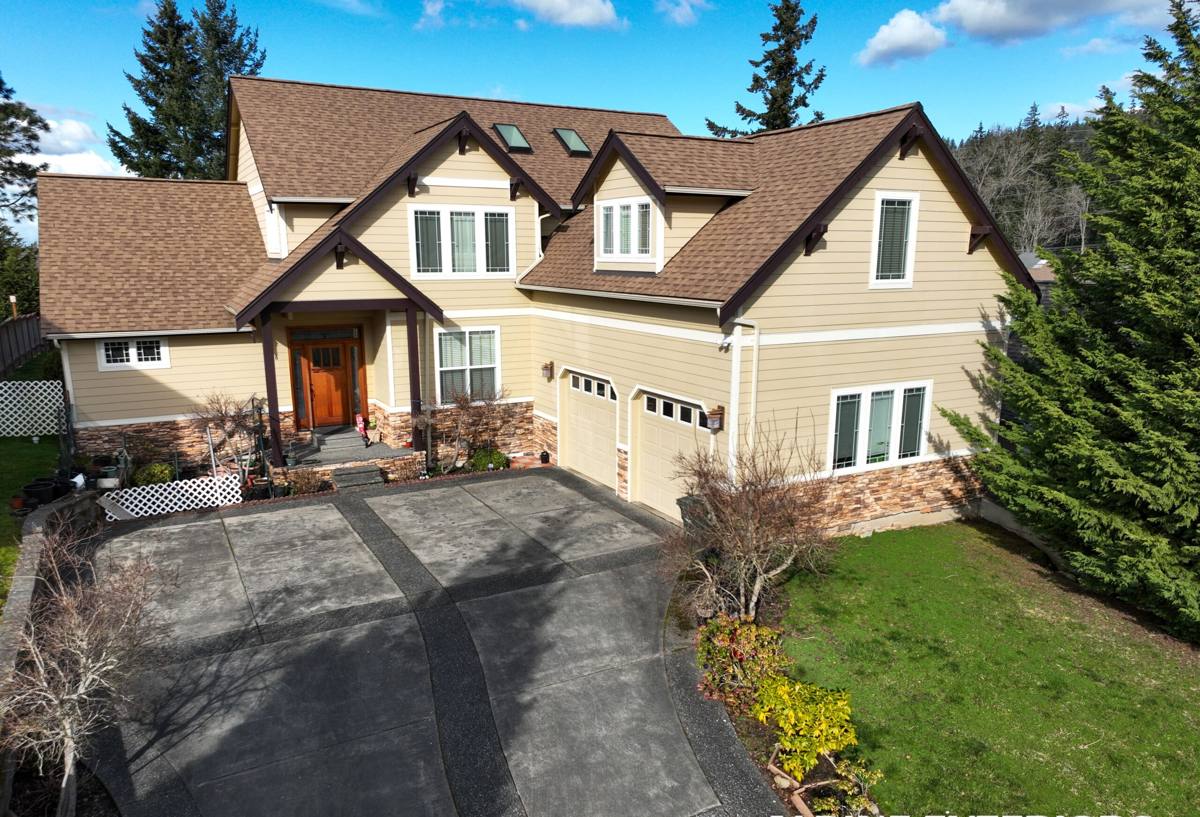
Signs a Nooksack Roof Is Ready for Replacement
Roofs rarely fail all at once. They give warning signs first, and in this climate those signs show up a little differently than they would in a drier part of the country. Before you commit to a full replacement, it's worth having a straightforward inspection to confirm what you're actually looking at.
- Granules collecting in gutters or at the base of downspouts — a sign the shingle surface is wearing thin
- Dark streaking or thick moss growth across the roof plane, especially on shaded north-facing sections
- Shingles that are curling, cupping, or have visibly lifted edges
- Soft or spongy spots when the roof deck is walked, which usually points to trapped moisture underneath
- Daylight visible through the attic roof boards, or damp insulation after a heavy rain
- Roof age past 20-25 years for standard asphalt composition shingles
- Frequent, recurring leaks around chimneys, vents, or valleys despite past patch repairs
If you're seeing two or more of these, it's usually more cost-effective to plan a full replacement than to keep chasing patch repairs on a roof that's past its practical service life.
What a Correct Installation Actually Involves
A roof is a system, not a single layer. Skipping or shortcutting any piece of it shows up as a problem within a few years — usually right when the moss season and heavy rains return.
Tear-Off and Deck Inspection
We remove the old roofing down to bare decking rather than layering over it. That's the only way to actually see the condition of the plywood or plank sheathing underneath. In this climate, it's common to find sections of decking that have softened from long-term moisture intrusion, particularly near valleys, chimneys, and old vent penetrations. Any compromised decking gets replaced before anything new goes down — installing new roofing over a weak deck just hides the problem and shortens the life of the new roof.
Underlayment That Matches the Climate
Underlayment is your roof's backup layer of protection, and in a region with this much sustained rainfall, it matters more than it does in drier climates. We use synthetic underlayment across the field of the roof for its tear resistance and water-shedding performance, with self-adhering ice-and-water barrier at the eaves, valleys, and any low-slope transitions — the spots where wind-driven rain is most likely to work its way backward under the shingles.
Flashing and Penetrations
Chimneys, skylights, plumbing vents, and wall-to-roof transitions are where the overwhelming majority of roof leaks start — not in the open field of shingles. We install new step flashing, counter-flashing, and pipe boots at every penetration rather than reusing old flashing, which is often bent, rusted, or sealed with cracked caulk that's already failing.
Ventilation
Proper intake and exhaust ventilation keeps the attic space close to outdoor temperature and humidity, which does two things: it protects the roof deck from condensation-driven rot, and it slows the conditions moss needs to establish itself. A roof can be installed perfectly and still underperform if the attic underneath it is trapping warm, moist air.
Choosing the Right Roofing Material
Most Nooksack homes end up choosing between a few well-proven options. There's no single "best" material — it depends on your roof's slope, your home's style, your budget, and how much long-term maintenance you're willing to take on.
| Material | Typical Lifespan | Moss & Moisture Behavior | Relative Cost |
|---|---|---|---|
| Asphalt composition shingle (architectural) | 25-30 years | Good drainage when properly ventilated; benefits from periodic moss treatment | Moderate |
| Standing seam metal | 40-50+ years | Sheds water and moss growth very effectively; smooth surface resists buildup | Higher upfront |
| Synthetic/composite shingle | 30-40 years | Consistent, low-maintenance surface; performs well in wet climates | Moderate to higher |
| Cedar shake | 20-30 years with upkeep | Requires regular maintenance to manage moisture retention and moss | Higher, plus ongoing maintenance cost |
Architectural asphalt shingles remain the most common choice for Nooksack homes because they balance upfront cost with solid long-term performance, especially when paired with proper ventilation. Metal roofing has gained ground for homeowners planning to stay long-term and wanting to minimize moss maintenance almost entirely. We'll walk through the honest trade-offs for your specific roof rather than push one product across the board.
Our Installation Process
We keep the process straightforward and communicate at each stage so there aren't surprises mid-project.
- On-site inspection and estimate. We assess the existing roof, attic ventilation, and any problem areas, and give you a written estimate with material options.
- Material selection. We go over color, style, and material trade-offs so you're choosing based on real information, not just price.
- Scheduling around weather. Roofing in this region means watching the forecast closely. We schedule tear-off and dry-in to avoid leaving a roof deck exposed during a rain system.
- Tear-off and deck repair. Old roofing comes off, decking is inspected, and any damaged sections are replaced.
- Underlayment, flashing, and ventilation installation. The protective layers go down before a single shingle or panel is installed.
- Roofing installation. Material is installed to manufacturer specifications, which matters for both performance and warranty coverage.
- Cleanup and final walkthrough. We run a magnetic sweep for nails and debris, then walk the job with you before calling it complete.
Ventilation and Moisture: The Long Game Against Moss
Moss doesn't show up because a roof is old — it shows up because a roof stays damp and shaded long enough for spores to take hold. That's a near-constant risk in this part of Whatcom County, especially on roof sections that sit under tree cover or face away from direct sun. The single biggest factor in how fast moss returns after a new roof install is airflow: a well-ventilated roof dries out faster after each rain event, which gives moss less opportunity to establish itself.
We also talk with homeowners about zinc or copper strips near the ridge as a supplemental moss deterrent, and about realistic expectations for periodic soft washing or moss treatment down the road. No roofing material in this climate is entirely maintenance-free — the goal is to install a system that keeps maintenance minimal and manageable rather than pretending moss will never be a factor.
Permits, Timeline, and What to Expect
Most residential roof replacements in Whatcom County require a building permit, and we handle that process as part of the job rather than leaving it to the homeowner. A typical single-family home reroof takes one to three days of active work once materials are on-site and weather cooperates, though steep or complex rooflines, decking repairs, or multi-layer tear-offs can extend that. We'll give you a realistic window up front and keep you posted if weather pushes the schedule.
Why Hire a Crew That Already Works Nooksack
Roofing crews that mostly work in drier climates or unfamiliar regions tend to default to generic specs — standard underlayment coverage, standard ventilation ratios, standard material recommendations. That approach doesn't hold up well against sustained Pacific Northwest rainfall and a moss season that runs most of the year. Working consistently in and around Ferndale and Nooksack means we've seen how roofs in this specific area actually age — where they fail first, which details matter most, and which shortcuts show up as callbacks two winters later.
That local pattern recognition is worth something you can't get from a crew passing through the area for a single job. It shapes where we spend extra time on flashing details, how we size ventilation, and which materials we recommend for a given roof's exposure and slope.
If your roof is showing its age or you're planning ahead for a replacement, we're happy to take a look and walk you through your options honestly. Reach out for a free, no-pressure estimate using the form below.