 Ferndale Siding
 Window Replacement Built for Sumas and Ferndale Conditions
Homes in and around Sumas deal with a specific combination of weather that most window manufacturers never test for in their glossy brochures. You're close enough to the water to catch salt-laden air moving in off the Strait, you sit under some of the wettest, longest-duration rain patterns in Whatcom County, and the tree cover and damp ground mean moss and algae get a foothold on anything that stays wet for more than a day or two. Windows are one of the first things on a house to show the effects of all three. Seals fail early, frames swell and stick, and sills develop that soft, spongy feel long before a homeowner expects it.
We install replacement windows for homes throughout Ferndale and out toward Sumas, and the approach we take is built around what actually happens to a window here over ten, twenty, thirty years of Pacific Northwest weather — not just what looks good on install day.
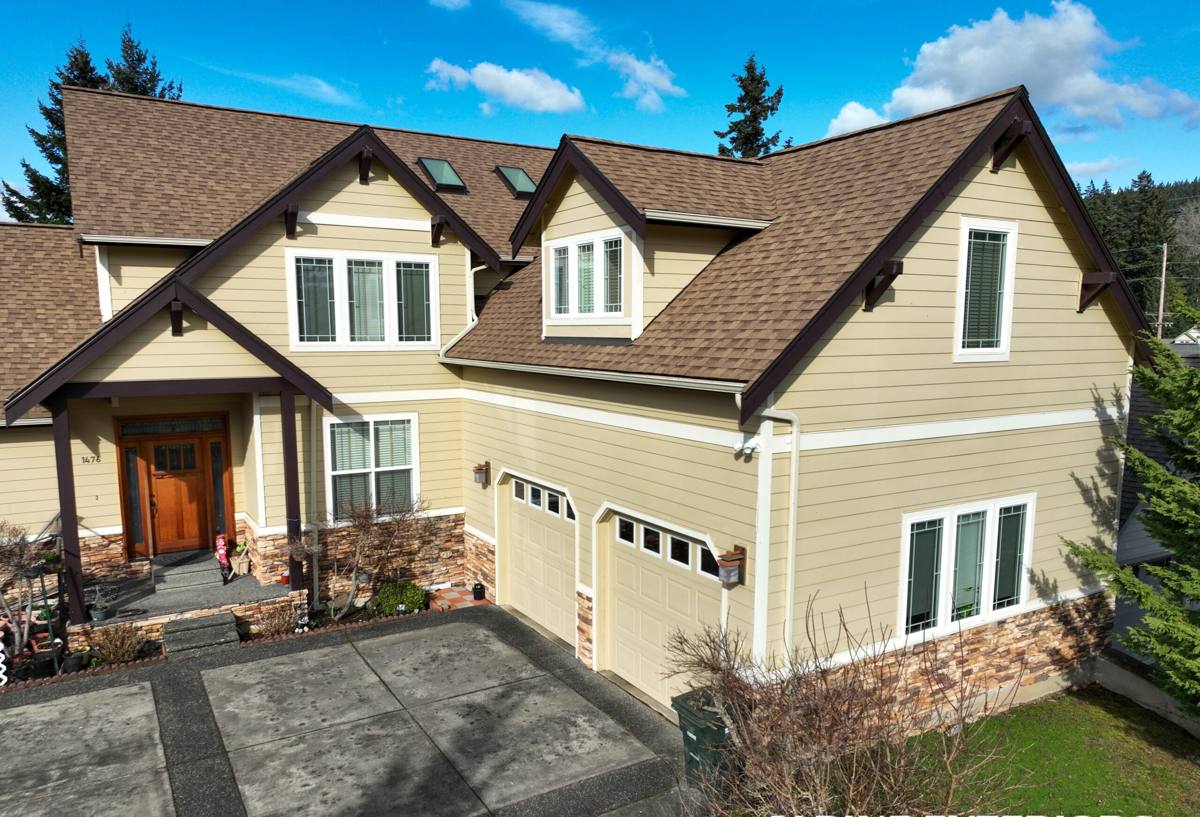
Why This Climate Is Hard on Windows
Salt Air and Metal Fatigue
Salt air doesn't just affect houses right on the water. Wind carries fine salt particulate well inland, and it settles into hardware, weep holes, and any exposed metal fasteners around a window frame. Over time it accelerates corrosion on lower-grade hardware, pits aluminum components, and works into gaps in the seal system. Homes on the western and northern exposures of a property tend to show this first, since that's the side catching the prevailing wind.
Driving Rain and Wind-Driven Water Intrusion
Straight-down rain is easy for almost any window to handle. The problem here is driving rain — wind pushing water sideways and upward against the building envelope, right into the joint between the window frame and the wall. A window that isn't flashed correctly, or that relies on caulk alone to keep water out, will eventually let moisture behind the frame. That's when you start seeing soft trim, stained drywall below a window, or a musty smell in a room that never quite goes away.
The Long Moss Season
Whatcom County's moss season isn't really a season — for a lot of properties it's most of the year. Anywhere water sits or drains slowly, moss and algae move in: horizontal window sills, the bottom rail of a frame, and gaps where wood trim meets siding. Moss holds moisture against the surface it's growing on, which speeds up rot in wood components and can stain vinyl and fiber cement finishes. A window detail that sheds water quickly and doesn't have flat, moisture-trapping ledges will resist this far better than one that doesn't.
What a Correct Window Replacement Involves Here
Swapping an old window for a new one in the same opening sounds simple, and sometimes it is. But a correct install in this climate means paying attention to a handful of details that don't show up until years later if they're skipped.
- Full inspection of the rough opening before anything goes in — checking the sheathing, sill, and framing around the old window for hidden rot or soft spots, since a new window installed over damaged framing just hides the problem
- Proper flashing integration that ties the window's flashing into the home's existing weather-resistive barrier, so water is directed out and down rather than trapped behind the siding
- Sloped sill pans under the window to move any water that does get past the outer seal away from the frame instead of letting it pool
- Correct fastening and shimming so the frame stays square and doesn't rack out of alignment, which is what causes sticking sashes and failed seals a few years down the line
- Sealant applied at the right points only — caulk is a backup layer, not the primary water barrier, and over-caulking can trap moisture instead of keeping it out
- Interior and exterior trim work finished cleanly so there are no gaps where wind-driven rain or pests can get behind the new window
Choosing Materials That Hold Up to Salt Air and Moisture
Frame material matters more here than it does in a drier, inland climate. We generally steer homeowners toward vinyl and fiberglass frames for coastal-influenced properties like those around Sumas and Ferndale, because they don't corrode the way lower-grade aluminum can, and they don't carry the ongoing maintenance burden of bare wood exposed to constant damp. Wood-clad options are still a good fit for homeowners who want a traditional wood interior look, as long as the cladding is intact and well-maintained on the exterior face where the weather actually hits.
Glass package matters too. A dual-pane, low-E unit with a warm-edge spacer performs better in this climate than older aluminum-spacer designs, which conduct cold and moisture to the glass edge and are more prone to seal failure and fogging between panes over time.
| Frame Material | Salt Air / Moisture Behavior | Maintenance |
|---|---|---|
| Vinyl | Won't corrode or rust; handles damp exposure well | Low — occasional cleaning |
| Fiberglass | Very stable in wet, temperature-swinging conditions; resists warping | Low |
| Wood (unclad) | Vulnerable to rot and swelling if finish isn't kept up | High — regular refinishing needed |
| Wood-clad | Good if cladding is intact; exterior face protected from moisture | Moderate |
| Aluminum (standard grade) | Prone to pitting and corrosion in salt-influenced air over time | Moderate to high |
Signs a Sumas or Ferndale Home Needs Window Replacement
Not every window problem calls for full replacement — sometimes a reseal or hardware repair is the right fix. But a few signs point toward replacement being the more honest recommendation:
- Visible fogging or moisture between panes of double-pane glass, which means the seal has failed and can't be repaired
- Wood sills or frames that feel soft, spongy, or show staining consistent with ongoing water intrusion
- Windows that are difficult to open, close, or lock — often a sign the frame has racked out of square
- Persistent moss or algae growth on the sill or lower frame that keeps coming back after cleaning
- Noticeable drafts or a cold spot near the window even when it's fully closed
- Higher heating bills without another clear explanation, especially in a home with older single-pane or early dual-pane windows
Our Process for Sumas-Area Window Replacement
1. On-Site Assessment
We walk the exterior and interior of the home together, look at each window in question, and check for the underlying issues described above — not just the window itself, but what's happening around it.
2. Straightforward Estimate
You get a clear, itemized estimate that explains what's being replaced, what materials are recommended and why, and what the install will involve. No pressure, no inflated urgency tactics.
3. Install Day
Openings are protected, old windows are removed carefully to check the framing underneath, and each new window is set, flashed, insulated, and sealed following the same process every time — not shortcuts based on what's fastest.
4. Final Walkthrough
We check operation, seal integrity, and finish work with you before considering the job done, and clean up the work area fully.
Why a Local Crew That Already Works Sumas Matters
A contractor who's already familiar with the housing stock and weather patterns around Sumas and Ferndale isn't guessing at what causes problems here — they've seen the same salt-corroded hardware, the same driving-rain water stains below windows, and the same moss buildup on sills across dozens of homes in the same conditions. That familiarity shows up in small decisions during the job: how much flashing overlap to use, which sealant actually holds up to this level of moisture cycling, and where to look for hidden rot that isn't obvious from the outside. It also means someone who's reachable if a question comes up after the job is finished, not a crew that installed once and left the area.
Cost Factors for Window Replacement in This Area
Every home is different, but a few things consistently move the price up or down for window replacement projects in Whatcom County:
| Factor | Effect on Cost |
|---|---|
| Number of windows replaced at once | Per-window cost typically drops with larger batches |
| Frame material chosen | Vinyl is generally the most budget-friendly; fiberglass and wood-clad cost more |
| Hidden rot or framing damage found during removal | Adds cost for repair before the new window can be installed correctly |
| Window size and configuration | Larger units, custom shapes, or multi-panel configurations cost more than standard sizes |
| Access and site conditions | Upper-story or hard-to-access windows can add labor time |
We give exact numbers only after seeing the actual windows and openings — anyone quoting a firm price over the phone without looking at the home is guessing.
Get an Honest Look at Your Windows
If your Sumas or Ferndale home has windows that are drafty, fogged, sticking, or showing signs of moisture damage, it's worth having someone take a look before another wet season adds to the problem. We offer free, no-pressure estimates and will tell you honestly whether replacement makes sense or whether a repair will do the job. Reach out using the form below to schedule a time for us to come take a look.