 Ferndale Siding
 Siding Repair in Sumas: What Local Homes Are Up Against
Sumas sits in a part of Whatcom County that takes a real beating from the weather over the course of a year. Long stretches of driving rain, damp air that never fully clears, and a moss season that seems to run longer every year all put steady pressure on exterior siding. None of that damage happens overnight. It shows up slowly, as a soft spot near a trim board, a section that stays dark and wet longer than the rest of the wall, or paint that keeps failing in the same spot no matter how many times it gets repainted. Siding repair in this area isn't just about patching a hole — it's about figuring out why that one section is failing while the rest of the wall is fine, and fixing the actual cause.
We work on homes throughout the Ferndale area, and Sumas comes with its own version of the same regional pattern: moisture that finds its way behind siding through small gaps, joints, or aging caulk, and then has nowhere to go because the material trapping it doesn't dry out the way it should. A repair that only addresses the visible surface damage without solving the moisture path tends to fail again within a season or two.
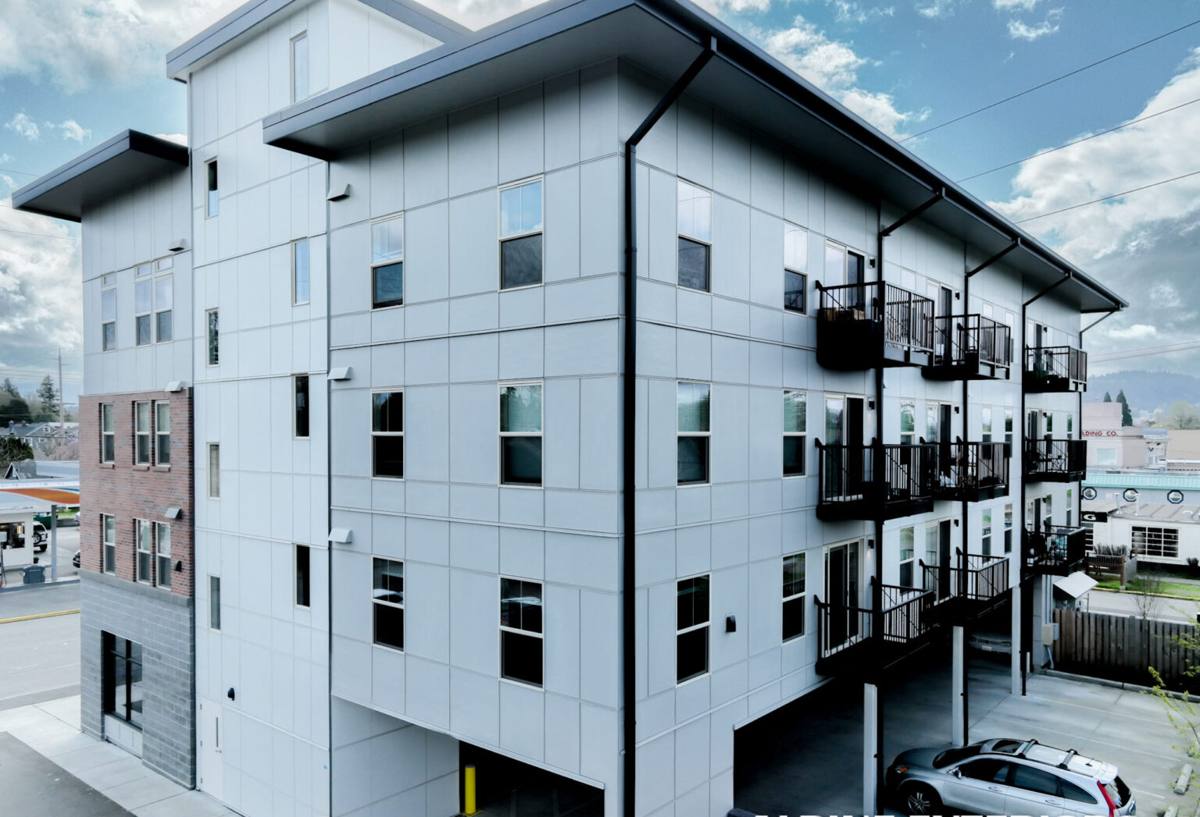
Why Repairs Fail When the Cause Isn't Diagnosed First
The most common mistake we see in siding repair — done by homeowners or by contractors in a hurry — is treating the symptom instead of the source. A rotted board gets cut out and replaced, but the flashing detail that let water in behind it never gets corrected. Six months later, the new board is failing too. In a climate with as much sustained moisture as this region gets, that shortcut costs homeowners money twice: once for the first repair, and again when it has to be redone.
What We Check Before Touching a Board
- Where water is actually entering — often several inches or feet from where the damage shows
- Whether flashing above windows, doors, and trim is present, intact, and correctly lapped
- Condition of the house wrap or weather barrier behind the siding, if accessible
- Caulk and sealant joints at butt seams, corners, and penetrations for age and cracking
- Whether moss or organic growth is holding moisture against the surface longer than it should sit
- How the damaged material compares to the surrounding siding, so any patch matches in profile and reveal
Signs a Sumas Home Needs Siding Repair Now, Not Later
Some damage is obvious. Other damage is easy to miss until it's expensive. Here's what we tell homeowners to watch for between seasons:
- Soft or spongy siding when pressed, especially near the bottom of walls or below windows
- Persistent dark staining or streaking that reappears after cleaning
- Visible cracking, buckling, or warping in one section while the rest of the wall looks fine
- Paint or finish that keeps failing in the same spot despite repainting
- Moss or algae that returns quickly after being cleaned off
- Gaps opening up at seams, corners, or trim joints
- A musty smell near an exterior wall on the interior side
Any one of these on its own might be minor. Several together, especially in one concentrated area, usually point to a moisture problem that's been building for a while.
What a Correct Siding Repair Involves
Matching Material, Not Just Color
A repair that's visually close but structurally different from the surrounding siding will weather differently — it will absorb, shed, or expand differently than what's around it, and that mismatch shows up over time even if it looks fine on installation day. We match not just the color and texture but the actual material behavior, which is one of the reasons we only work with James Hardie fiber cement. It's a consistent, engineered product, so a repair section installed today behaves the same as material installed years ago, rather than reacting differently to moisture and temperature swings than what's already on the wall.
Correcting the Water Path, Not Just the Symptom
Every repair we do addresses the underlying water management first — flashing, laps, sealant joints, and drainage — and only then addresses the cosmetic damage. Replacing a board without correcting the detail that let water in behind it is a temporary fix at best.
Reworking Trim and Transition Points
A large share of siding failures in this climate start at trim boards, corner posts, and butt joints rather than in the middle of a flat wall section. These are the spots most exposed to standing moisture and the most likely to have been under-flashed or under-sealed originally. A thorough repair rebuilds these transition points correctly rather than just re-caulking over the same gap.
Repair vs. Replacement: How We Help Homeowners Decide
| Situation | Repair Usually Makes Sense | Replacement Usually Makes Sense |
|---|---|---|
| Damage location | Isolated to one wall or a few sections | Spread across most of the exterior |
| Underlying material | Sound siding elsewhere, one failure point | Widespread softness, warping, or aged-out material |
| Age of existing siding | Relatively recent, still under warranty or well within service life | Near or past expected service life |
| Moisture history | Single identifiable source, now correctable | Chronic, whole-house moisture intrusion |
| Cosmetic match | Same material available, matches well | Discontinued profile or product, poor match likely |
We won't push a full replacement when a well-executed repair will genuinely solve the problem, and we won't recommend patching a wall that's clearly failing across the board. We'll walk the property with you and explain which category your home falls into and why.
Why We Only Repair With James Hardie Fiber Cement
We install and repair exclusively with James Hardie fiber cement siding — we don't work with vinyl, LP SmartSide, cedar, or primed wood products, and that includes repair work. There's a practical reason: fiber cement doesn't absorb and swell with moisture the way wood-based products can, and it doesn't become brittle or discolor the way some engineered wood siding does under long-term damp exposure. When we patch into existing Hardie siding, the repair section is dimensionally and structurally identical to what's already on the wall, so it ages the same way. When we're asked to repair a different material, we'll do an honest assessment of whether patching is worthwhile or whether the smarter long-term move is transitioning that section — or eventually the whole exterior — to fiber cement.
Hardie's ColorPlus factory finish also matters for repairs specifically: a factory-applied finish holds color more consistently than field-applied paint, which makes color-matching a repair section to older existing siding more reliable than trying to match a hand-painted finish.
Our Sumas Siding Repair Process
- On-site inspection. We look at the damaged area and the surrounding siding, checking for moisture intrusion, flashing issues, and how far the problem actually extends.
- Honest diagnosis. We explain what's causing the damage in plain terms, not just what's visible on the surface.
- Written scope and estimate. You'll know exactly what's being repaired, what material is used, and why, before any work starts.
- Correcting water management. Flashing, sealant, and drainage details get fixed as part of the repair, not skipped.
- Matched material installation. Repair sections are installed to match the existing siding's profile, reveal, and finish as closely as possible.
- Final walkthrough. We go over the completed work with you and flag anything else worth keeping an eye on.
Why Hiring a Crew That Already Works This Area Matters
Siding repair done wrong in a low-moisture climate might get away with a few shortcuts. Siding repair done wrong in Whatcom County, with the amount of sustained rain and moss pressure this area gets, tends to fail fast and obviously. A crew that regularly works Ferndale, Sumas, and the surrounding communities has already seen how local moisture patterns interact with different siding materials and installation details over multiple seasons — where water tends to collect, which trim details hold up, and which ones don't. That's the kind of judgment that only comes from repeated, local experience, not a one-time visit from a crew based somewhere with a very different climate.
What Repair Costs Typically Depend On
| Factor | Why It Matters |
|---|---|
| Extent of moisture damage | Hidden rot behind the visible area adds labor and material |
| Number of affected sections | Isolated repairs cost less than damage spread across multiple walls |
| Trim and flashing work required | Correcting the water path adds scope beyond just board replacement |
| Material matching | Matching an older profile can take more sourcing time than fresh installation |
| Access and site conditions | Height, landscaping, and obstructions affect labor time |
We won't quote a number without seeing the actual damage — anyone who does is guessing, and guesses on moisture-related repairs are usually wrong in one direction or the other.
If you're noticing soft spots, staining, or recurring moss on your Sumas home's siding, we're happy to take a look and give you an honest read on what's going on — no pressure, no obligation. Fill out the form below to schedule a free estimate.