 Ferndale Siding
 Lummi Island Siding Takes a Different Kind of Beating
Lummi Island sits out in the water, and that changes what a house needs from its siding. Homes here don't just deal with rain like everyone else in Whatcom County — they deal with salt-laden air coming off the Salish Sea, wind-driven rain that hits walls sideways instead of falling straight down, and a long, damp moss season that keeps shaded and north-facing walls wet for weeks at a stretch. Siding that would hold up fine a few miles inland can start showing real problems on the island years earlier, and repairs that aren't done with that in mind tend to fail again fast.
This page is about one thing: repairing siding correctly on Lummi Island homes. Not a general siding overview, not a sales pitch — what the local climate actually does to exterior walls out here, what a repair has to get right to actually hold, and why it matters that the crew doing the work already understands the island.
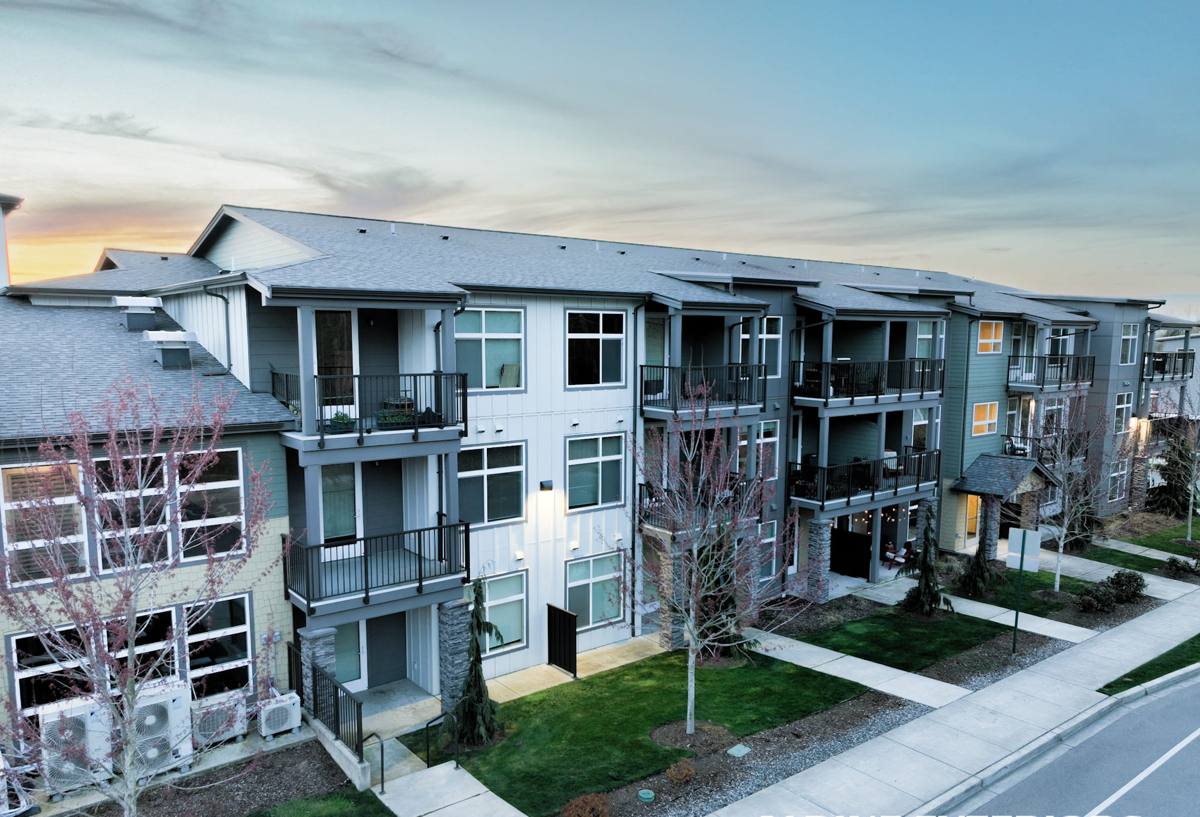
What Salt Air, Wind-Driven Rain, and Moss Season Do to Siding
Salt Air and Fastener Corrosion
Airborne salt doesn't just sit on the surface of a wall — it works into fastener heads, joints, and any spot where the factory finish has been nicked or scratched. Over time it accelerates corrosion in exposed nail heads and metal trim, which shows up as rust streaking, staining, and eventually loose or failing fasteners. On a waterfront or near-waterfront lot, this happens faster than most homeowners expect, and it's one of the most common reasons a section of siding that "looks fine" is actually loose underneath.
Driving Rain and Water Intrusion
Storms coming off the water hit exposed walls at an angle, driving water into laps, seams, and butt joints that would stay dry in a straight-down rain. If those joints weren't caulked, flashed, or lapped correctly during the original install, wind-driven rain finds the gap and gets behind the siding. That's how you end up with soft trim, staining at seams, or worse — moisture damage to the sheathing behind the siding that isn't visible until a board is pulled off.
Moss, Algae, and the Shade Problem
Between the tree cover common on island lots and Whatcom County's long wet season, north-facing and shaded walls stay damp far longer than south- or west-facing ones. That constant moisture feeds moss and algae growth, which holds even more water against the siding surface and, on the wrong material, can lead to soft spots, delamination, or paint failure. A short-term power wash doesn't fix this — it just resets the clock until the moss comes back.
Signs Your Siding Needs Repair, Not Just a Cleaning
Some problems are cosmetic and some are structural. Knowing the difference tells you whether you need a wash and some caulk, or an actual repair before the damage spreads.
- Soft or spongy spots when you press on the siding, especially near the bottom courses or around windows and doors
- Visible gaps, cracks, or separation at joints and corners
- Rust streaking below nail heads or trim fasteners
- Paint or finish that's peeling, bubbling, or chalking heavily in one area but not others
- Persistent moss or algae growth that comes back within a season of cleaning
- Warping, bowing, or visible movement in one or more boards
- Staining or discoloration on interior walls near an exterior wall, which often means water is already getting through
Patch Job vs. Correct Repair: What's the Difference
Not all "siding repair" is the same work. A quick patch covers the visible symptom; a correct repair addresses what let the damage happen in the first place — which matters a lot more in a climate that includes salt exposure and driving rain.
| Quick Patch | Correct Repair |
|---|---|
| Caulks over a gap or crack without checking what's behind it | Removes the damaged section to inspect and address the water intrusion source |
| Reuses existing fasteners, even if corroded | Replaces corrosion-prone fasteners with corrosion-resistant hardware suited to marine exposure |
| Ignores the house wrap or moisture barrier underneath | Checks and repairs the underlying weather barrier before new siding goes back on |
| Uses whatever material is on hand, color-matched loosely | Matches material and finish so the repair blends in and performs the same as the surrounding siding |
| Fixes the symptom for a season or two | Addresses the cause so the same spot doesn't fail again next storm season |
Why We Repair Only With James Hardie Fiber Cement
We install and repair James Hardie fiber cement siding exclusively — we don't work with vinyl, LP SmartSide, Cemplank, Allura, primed spruce, or cedar. That's a deliberate standard, not a lack of options.
Fiber cement doesn't absorb water the way wood-based products can, which matters directly in a moss-and-moisture climate like Lummi Island's — it won't rot or delaminate from prolonged dampness the way engineered wood siding can if moisture gets behind it. It's also non-combustible, which is a real consideration for wooded island properties. Hardie's ColorPlus factory finish is baked on under controlled conditions, so it holds color and resists the chalking and fading that field-applied paint struggles with under constant UV and salt exposure. And because Hardie is a widely stocked, standardized product line, matching an existing repair to older siding is far more reliable than trying to match a discontinued vinyl profile or a custom-primed wood board.
None of this means other siding materials are junk — vinyl, wood, and engineered wood all have their place. It means that for the conditions Lummi Island homes actually face, we've made a professional call to stand behind one system we can install and repair to spec every time, rather than stretch across products whose long-term behavior in salt air and heavy rain we can't fully guarantee.
Our Siding Repair Process on Lummi Island
Because Lummi Island is a ferry-served community, we plan repair visits differently than we would for a job a few blocks from our shop. That means fewer, more efficient trips rather than multiple half-day visits, and it means bringing the right materials the first time.
- Assessment. We inspect the affected siding, the fasteners, and — where accessible — the condition of the underlying weather barrier, so we know whether we're looking at a cosmetic fix or a moisture problem that needs to be addressed first.
- Scope and estimate. You get a clear, honest explanation of what's actually wrong, what needs to happen to fix it correctly, and a written cost range before any work starts.
- Material matching and staging. We source and stage matching James Hardie boards, trim, and corrosion-resistant fasteners before the crew heads out, so the trip isn't wasted waiting on parts.
- The repair itself. Damaged sections are removed, the substrate and weather barrier are checked and corrected if needed, and new material is installed to manufacturer spec — proper fastening, proper clearances, proper sealing at joints.
- Final check. We walk the repair with you, confirm the fit and finish match the surrounding siding, and make sure nothing was missed before we call it done.
What Siding Repair Costs Depend On
There's no single number for siding repair — the range depends on a handful of specific factors. We won't quote a price without seeing the job, but here's what actually drives the cost up or down.
| Factor | Why It Matters |
|---|---|
| Extent of the damage | A single soft board is a small job; damage that traces back into the sheathing or framing is a bigger one |
| Accessibility | Second-story walls, tight setbacks, or landscaping obstructions add time and equipment needs |
| Underlying moisture damage | If water has been getting behind the siding, repairing the barrier and substrate adds real labor beyond replacing boards |
| Color and finish matching | Matching older ColorPlus finishes may require a specific batch or a field-finish approach to blend properly |
| Trip logistics | Ferry-dependent scheduling means we plan for efficient, well-prepared visits rather than multiple partial trips |
After the Repair: Keeping Salt Air and Moss From Coming Back
A correct repair should last, but a little upkeep goes a long way in this climate. Rinse salt residue off exposed walls periodically, especially after storms, so it doesn't sit and work into joints and fasteners. Keep shaded, moss-prone walls trimmed back from overhanging branches where possible to let them dry out between rain events. And do a walk-around once or twice a year, particularly after the winter storm season, to catch any new gaps, soft spots, or fastener issues before they turn into a bigger repair.
Why Hire a Crew That Already Works Lummi Island
Repairing siding on a ferry-served island isn't the same logistics as a mainland job. A crew that doesn't already account for that can end up making multiple trips for work that should take one, or showing up without the right materials because they underestimated what a marine-exposure repair actually requires. We work throughout Whatcom County, including Ferndale and Lummi Island, and we plan our visits around that reality — right materials staged in advance, an efficient trip, and a repair built for salt air and driving rain rather than a generic patch job.
If you've got a section of siding on your Lummi Island home that's showing wear, staining, or damage, we're happy to take a look and give you a straight answer about what it needs. Reach out for a free, no-pressure estimate — we'll tell you honestly whether it's a repair or something bigger, and what a correct fix actually involves.