 Ferndale Siding
 Siding Repair for Lummi Nation Homes Near Ferndale
Homes in and around Lummi Nation sit close to the water, and that proximity shapes everything about how siding ages here. Salt-laden air moves inland with the marine wind, driving rain comes in sideways off Bellingham Bay and the Strait, and the long, damp Whatcom County shoulder seasons keep exterior surfaces wet for days at a stretch. Siding that would hold up fine forty miles inland can show real wear here years earlier — not because it was installed wrong, but because the environment is simply harder on it.
Siding repair in this area isn't a one-size-fits-all job. It means understanding how salt air accelerates corrosion on fasteners and trim, how driving rain finds every gap in flashing and caulk, and how a shaded, moisture-heavy lot grows moss and algae faster than an open, sun-exposed one. A repair crew that treats every job the same way — regardless of where the house sits — tends to miss the details that actually matter here.
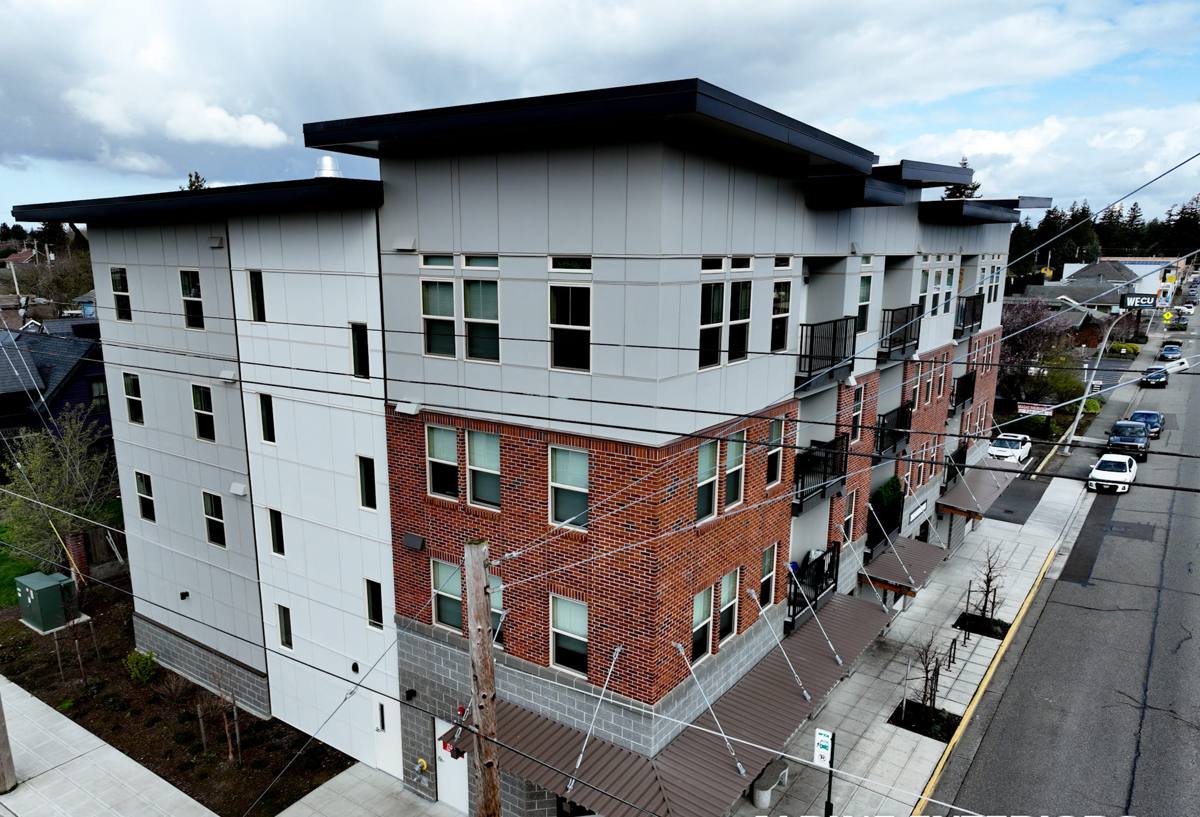
What Local Conditions Do to Siding Over Time
Salt Air and Metal Fatigue
Salt air is corrosive to exposed metal — nail heads, flashing, hose bibb trim, and any fastener that isn't properly sealed or coated. Once corrosion starts, it can stain the siding face, loosen fastener holds, and create small gaps where water gets behind the panel. This is a slow process, which is exactly why it often goes unnoticed until a section of siding is already loose or stained.
Driving Rain and Wind-Driven Moisture
Storms coming off the water don't just fall straight down — they push rain horizontally into wall assemblies. That means seams, butt joints, and the transitions around windows and doors take more direct water exposure here than they would on a home in a more sheltered inland location. Any gap in caulking or flashing becomes a moisture entry point faster near the water than it would elsewhere.
Moss, Algae, and the Long Wet Season
Whatcom County's wet season runs long, and shaded or north-facing walls near tree cover stay damp for extended stretches. That's ideal growing conditions for moss and algae, which hold moisture against the siding surface, stain the finish, and — if left unaddressed for years — can contribute to softening in vulnerable materials underneath.
Signs Your Siding Needs Repair, Not Just a Wash
Not every stain or streak means a repair is needed, but some signs point to a real problem worth addressing before it spreads.
- Soft or spongy spots when you press on the siding, especially near the bottom courses or below windows
- Visible gaps, cracks, or separation at seams and corner trim
- Paint that's bubbling, peeling, or flaking in a localized area rather than evenly across the wall
- Persistent dark streaking or moss growth that returns quickly after cleaning
- Fastener heads that are rusted, popped, or visibly loose
- Warping, bowing, or a section that no longer sits flush with the wall
- Water stains or soft drywall on interior walls that back up to an exterior wall
Any one of these on its own might be minor. Several appearing together, or appearing in the same section of wall repeatedly, usually means water has been getting behind the siding for a while.
What a Correct Siding Repair Job Actually Involves
A repair that only addresses what's visible from the ground often misses the cause. Doing it right means finding out why that section failed before deciding how to fix it.
Diagnose Before You Patch
The first step is figuring out whether the damage is cosmetic, or whether it's a symptom of a moisture problem underneath — failed flashing, a bad caulk joint, a gap where two trades' work meets, or water tracking down from a roof or gutter issue above. Replacing a damaged panel without fixing the underlying cause just means repeating the repair in a year or two.
Check What's Behind the Siding
Once panels are pulled, the house wrap, flashing, and sheathing underneath need a real look. If the water intrusion has been going on for a while, there may be soft sheathing that needs to be addressed before new siding goes back on — patching over a wet wall assembly doesn't solve anything.
Match or Upgrade the Material
If the existing siding is still in generally good shape, a localized repair with matching or compatible material can make sense. If a section or wall is showing more widespread failure — from age, from the original product, or from years of moisture exposure — that's often the point where replacing the affected section with James Hardie fiber cement makes more sense than continuing to patch a material that's already showing its age.
Reseal and Reflash Properly
Every repair should end with correct flashing and sealant at the seams, not just a bead of caulk over the gap. Given how much wind-driven rain this area sees, cutting corners here is exactly how a repair fails again within a season or two.
Repair vs. Replacement: How We Make the Call
Homeowners often ask whether a damaged section can just be patched, or whether it's better to replace more of the wall. The honest answer depends on a few factors.
| Factor | Favors Repair | Favors Replacement |
|---|---|---|
| Extent of damage | Isolated to one panel or small area | Spread across multiple courses or walls |
| Underlying moisture | Surface-level, no sign of rot | Soft sheathing or ongoing intrusion found |
| Age of existing siding | Relatively recent, otherwise sound | Near or past its expected service life |
| Material condition elsewhere | Rest of the wall is stable and sound | Other sections already showing similar wear |
| Color/finish match | Close match available | Discontinued finish, mismatch would be obvious |
We'll walk through this with you honestly. If a small repair genuinely solves the problem, that's what we recommend — there's no reason to sell a bigger job than the house needs.
Why We Only Bring James Hardie Forward
When a repair does call for new material — whether it's a damaged section, a full wall, or an eventual full re-side — we install James Hardie fiber cement, and that's the only siding product we install. Hardie is non-combustible, engineered for the Pacific Northwest's wet climate through its HZ5 product line, and finished with a factory-applied ColorPlus finish that holds color better than a field-painted product exposed to this much rain and salt air. It's backed by a strong transferable warranty when installed to spec, which matters most exactly in a climate like this one, where poor installation shows up as a problem years down the road rather than immediately.
We won't tell you your existing vinyl, LP SmartSide, or cedar siding is garbage — plenty of it is doing fine. But when it's time to replace a section, or an entire wall, we've made the call to only carry forward a product we trust to hold up here for the long haul, and that's Hardie.
Our Process, Start to Finish
- On-site inspection — we look at the damaged area and the surrounding wall, not just the spot you called about
- Moisture check — probing suspect areas and, where panels are already loose, checking what's underneath
- Honest scope — we tell you whether it's a patch, a section replacement, or something bigger, and why
- Written estimate — clear about materials, scope, and what's included before any work starts
- Removal and inspection of sheathing/wrap — replacing anything compromised, not just covering it back up
- Correct flashing and sealant — installed to shed wind-driven rain, not just cosmetic caulking
- Siding installed or matched — Hardie fiber cement where replacement is called for, installed to manufacturer spec
- Final walkthrough — so you know exactly what was done and why
Maintenance Between Repairs
Good maintenance won't prevent every repair, but it slows down the moss, algae, and moisture problems that are most common in this climate. A few habits go a long way between now and your next inspection.
- Keep gutters clear so overflow doesn't run directly down the siding face
- Trim back tree cover and shrubs so shaded walls get more airflow and sun exposure
- Rinse visible moss or algae growth early, before it has years to take hold
- Check caulking at trim, window, and door transitions annually, especially after winter storms
- Walk the exterior after any major windstorm and look for anything visibly loose or shifted
- Address small stains or soft spots promptly rather than waiting for them to spread
Cost Factors in Siding Repair
Repair costs vary a lot depending on scope, so we won't quote a number without seeing the job — but a few factors consistently drive the price up or down.
| Factor | Effect on Cost |
|---|---|
| Size of the affected area | Larger area or multiple locations increases labor and material |
| Hidden moisture damage | Sheathing or wrap replacement adds cost beyond the visible repair |
| Access and height | Second-story or hard-to-access walls take more time and equipment |
| Material match | Discontinued colors or profiles may require a wider replacement area |
| Underlying cause | Fixing flashing or drainage issues adds scope but prevents repeat failures |
Why Hiring a Crew That Already Works Lummi Nation Matters
A contractor who regularly works homes near the water already understands how differently this environment treats siding compared to a job twenty minutes inland. That means recognizing salt-related fastener corrosion on sight, knowing where wind-driven rain tends to find its way in on this type of coastline exposure, and not underestimating how fast moss returns on a shaded, damp wall. It also means being straightforward about what's actually needed — a patch, a section, or a full wall — instead of defaulting to the biggest job on the estimate.
If you're dealing with a damaged, stained, or aging section of siding on a Lummi Nation-area home, we're glad to take a look. Reach out for a free, no-pressure estimate — we'll tell you honestly what your siding needs and what your options are, using the form below.