 Ferndale Siding
 Semiahmoo Roofs Face a Different Kind of Storm Exposure
Homes along Semiahmoo sit close enough to open water that the weather behaves differently than it does further inland in Whatcom County. Wind off the bay hits roofs at odd angles, salt-laden air accelerates corrosion on metal components, and the region's long, wet fall-through-spring stretch keeps roofing materials saturated for months at a time. A roof here isn't just shedding rain — it's absorbing constant moisture cycling, wind-driven pressure changes, and the slow chemical wear that comes with living near saltwater. That combination is why storm damage in Semiahmoo often looks different, and sometimes worse, than storm damage on a similar roof twenty miles inland.
When we get called out to a Semiahmoo property after a windstorm or a heavy rain event, we're not just checking for missing shingles. We're looking for the damage patterns specific to this stretch of coastline: lifted or creased shingles from sustained wind, flashing that's worked loose from repeated expansion and contraction, and moisture intrusion points that a homeowner wouldn't notice until a ceiling stain shows up weeks later.
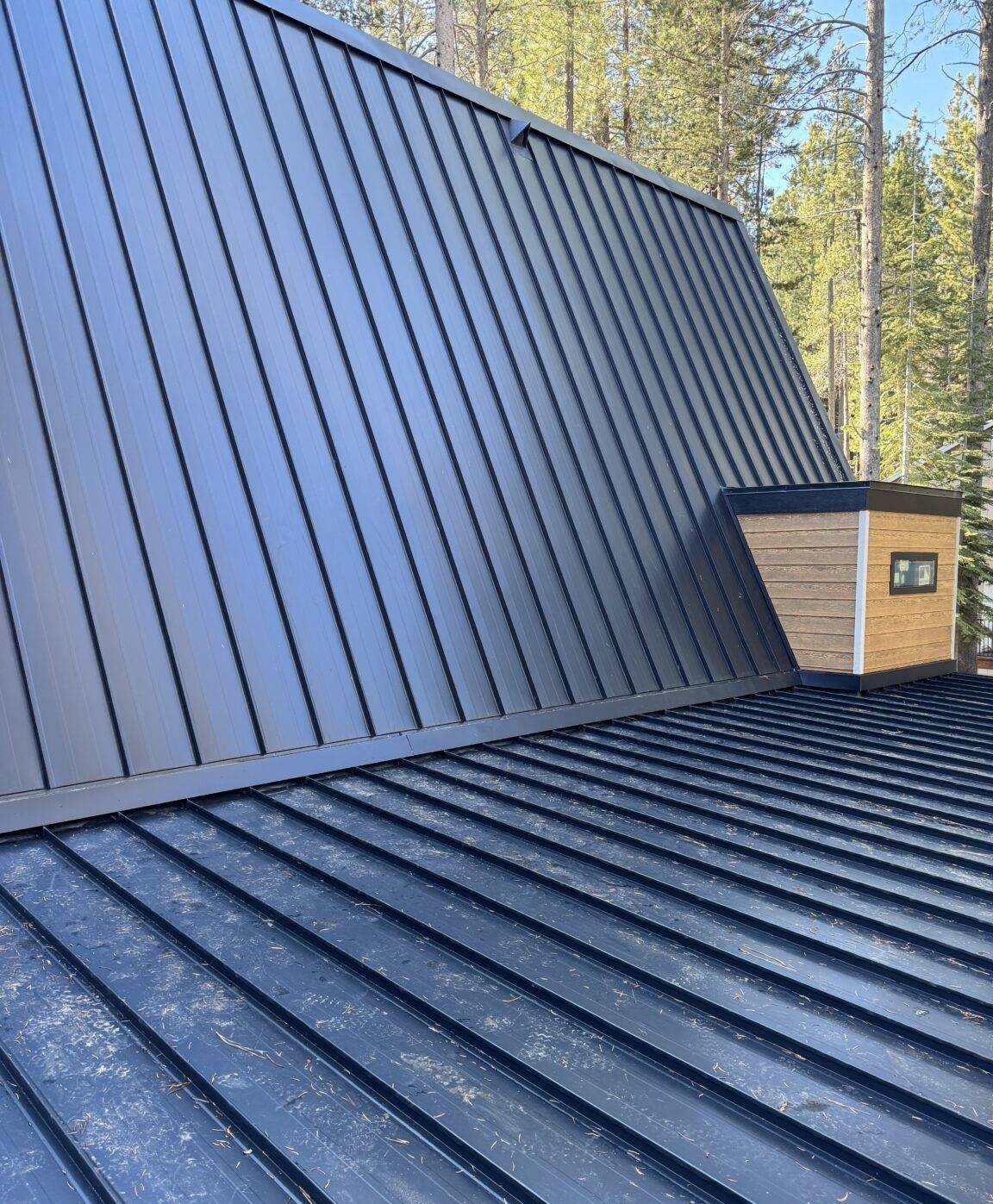
What Storm Damage Actually Looks Like Here
Wind Damage
Semiahmoo's exposure to wind coming off the water means gusts often hit roofs from a direction the shingles weren't laid to resist as well. Wind doesn't always tear a roof apart in an obvious way — more often it lifts shingle edges just enough to break the seal strip underneath, which you can't see from the ground. Once that seal is broken, the next rain finds its way underneath.
Wind-Driven Rain Intrusion
Driving rain in this area doesn't fall straight down — it comes in sideways during a storm, which pushes water into gaps that would stay dry in a calmer rain. This is especially hard on roof penetrations: vents, skylights, chimney flashing, and any place two roof planes meet. A flashing detail that's held up fine for years can suddenly leak once wind-driven rain starts hitting it from a new angle after a storm shifts something even slightly.
Moss and Organic Growth Following Storms
Whatcom County's moss season runs long, and storm damage often accelerates it. When wind lifts a shingle tab or a storm knocks debris onto a roof, it creates a spot where moisture sits longer and organic debris collects. Moss doesn't just sit on the surface — its root structure works into shingle granules and lifts tabs further, which is why storm damage and moss damage often show up together on the same roof section.
Our Storm Damage Repair Process
We follow the same sequence on every storm call, because skipping steps is how small problems turn into repeat leaks.
- Ground and roof-level inspection — we check the full roof, not just the area the homeowner is worried about, since wind damage is rarely isolated to one spot.
- Interior check — attic and ceiling inspection for moisture intrusion that hasn't shown up as a visible stain yet.
- Temporary protection — if there's active exposure, we get it tarped or covered the same visit so the situation doesn't get worse while repair materials are sourced.
- Documented findings — photos and a written scope of the damage, useful whether you're repairing out of pocket or filing an insurance claim.
- Repair or replace recommendation — an honest read on whether the damage is a targeted repair or a sign the roof's underlying condition needs a bigger conversation.
We don't pad scopes with work that isn't needed, and we don't undersell damage to win a smaller job. If three shingles need replacing, we replace three shingles. If the storm exposed a bigger underlying issue — worn flashing, saturated decking, or a roof that was already near the end of its service life — we'll tell you plainly and explain why.
Repair or Replace: What Actually Drives That Decision
Homeowners often ask us to just give a straight answer on repair versus replacement, but it genuinely depends on a handful of factors. Here's how we weigh it:
| Factor | Favors Repair | Favors Replacement |
|---|---|---|
| Roof age | Under 10-12 years, otherwise sound | Nearing or past expected service life |
| Extent of damage | Isolated to one section or slope | Spread across multiple areas |
| Decking condition | Dry, solid underneath | Soft spots, rot, or repeated saturation |
| Moss/organic history | Minor, surface-level growth | Long-term growth with granule loss |
| Matching materials | Shingle line still available/close match | Discontinued or badly weathered contrast |
Cost is obviously part of every decision, but we'd rather walk a homeowner through these factors honestly than quote a number without context. A targeted repair on a roof with 10+ years of remaining life is money well spent. Sinking repair costs into a roof that's already failing underneath usually isn't.
Materials That Hold Up in Salt Air and Sustained Wind
What we install after storm damage matters as much as how well we install it. Near Semiahmoo, we lean toward materials and details built for the coastal wind and moisture load:
- Shingles rated for higher wind exposure, properly nailed to spec rather than under-fastened for speed
- Corrosion-resistant flashing and fasteners, since standard-grade metal degrades faster this close to saltwater
- Ice-and-water shield or equivalent underlayment at valleys, eaves, and penetrations — the spots where wind-driven rain finds a way in first
- Proper attic ventilation, so trapped moisture doesn't shorten the life of the new work from underneath
We're selective about upgrading materials when a repair is already underway. If a section is being opened up anyway, it's often worth the small added cost to put in a fastener or flashing detail that will actually outlast standard-grade hardware in this environment — we'll explain that trade-off plainly rather than upselling it as something it isn't.
Working With Insurance on Storm Claims
Most storm damage claims move faster and go smoother when the documentation is solid from the start. A few things that consistently help:
- Photograph visible exterior damage as soon as it's safe to do so, before any cleanup
- Note the date and approximate time of the storm event
- Get a written inspection report with specific damage locations, not just a verbal estimate
- Keep any temporary repair receipts (tarping, emergency covers) — insurers generally expect reasonable steps to prevent further damage
- Avoid full repairs before an adjuster inspection if the claim is still open, unless the damage is actively causing interior harm
We provide documentation formatted the way adjusters expect to see it, but we're not a public adjuster and won't claim to negotiate your policy for you — that's a conversation between you and your insurer. What we can do is give you an accurate, unbiased account of what the storm actually did to your roof.
Reducing Repeat Storm Damage Going Forward
Gutter and Drainage Maintenance
Clogged gutters back water up under the roof edge during heavy rain, which turns a minor storm into a repeat leak point. Keeping gutters clear ahead of the wet season matters more here than in drier parts of the state.
Moss Management
Given how long moss season runs in Whatcom County, a roof that's had storm repair work done benefits from periodic moss treatment and debris removal, especially on north-facing slopes that stay shaded and damp longer.
Flashing and Penetration Checks
Vents, skylights, and chimney flashing are worth a look after any significant wind event, even if there's no visible leak yet. Catching a loosened flashing detail before the next storm is far cheaper than repairing water damage after the fact.
Why a Crew That Already Works Semiahmoo Makes a Difference
Storm damage repair isn't just a checklist — it's judgment calls about what this specific coastline does to roofing materials over time. A crew that regularly works Semiahmoo and the surrounding Ferndale area already knows which flashing details tend to fail first in this wind exposure, how fast moss reestablishes on shaded slopes here, and what wind-driven rain actually does to a roof that looks fine from the driveway. That local pattern recognition is what separates a repair that holds up through the next storm season from one that reopens the same leak six months later.
If you've got storm damage on a Semiahmoo roof — or you're not sure whether what you're seeing is storm-related or just wear — we're happy to take a look and give you a straight assessment. The estimate is free, there's no pressure attached to it, and you'll get an honest read on what your roof actually needs.