 Ferndale Siding
 Siding Replacement Built for Birch Bay's Coastal Conditions
Birch Bay sits right on the water, and that changes what siding has to survive. Homes here deal with salt-laden air rolling off the Strait of Georgia, wind-driven rain that hits siding sideways instead of straight down, and a long, damp moss season that most inland Whatcom County neighborhoods never see to the same degree. Siding that would hold up fine a few miles inland in Ferndale can fail years early on a Birch Bay lot facing open water.
This page is about one job in one place: replacing siding on a Birch Bay home the right way, with a product and installation approach built for what this specific coastline does to a house.
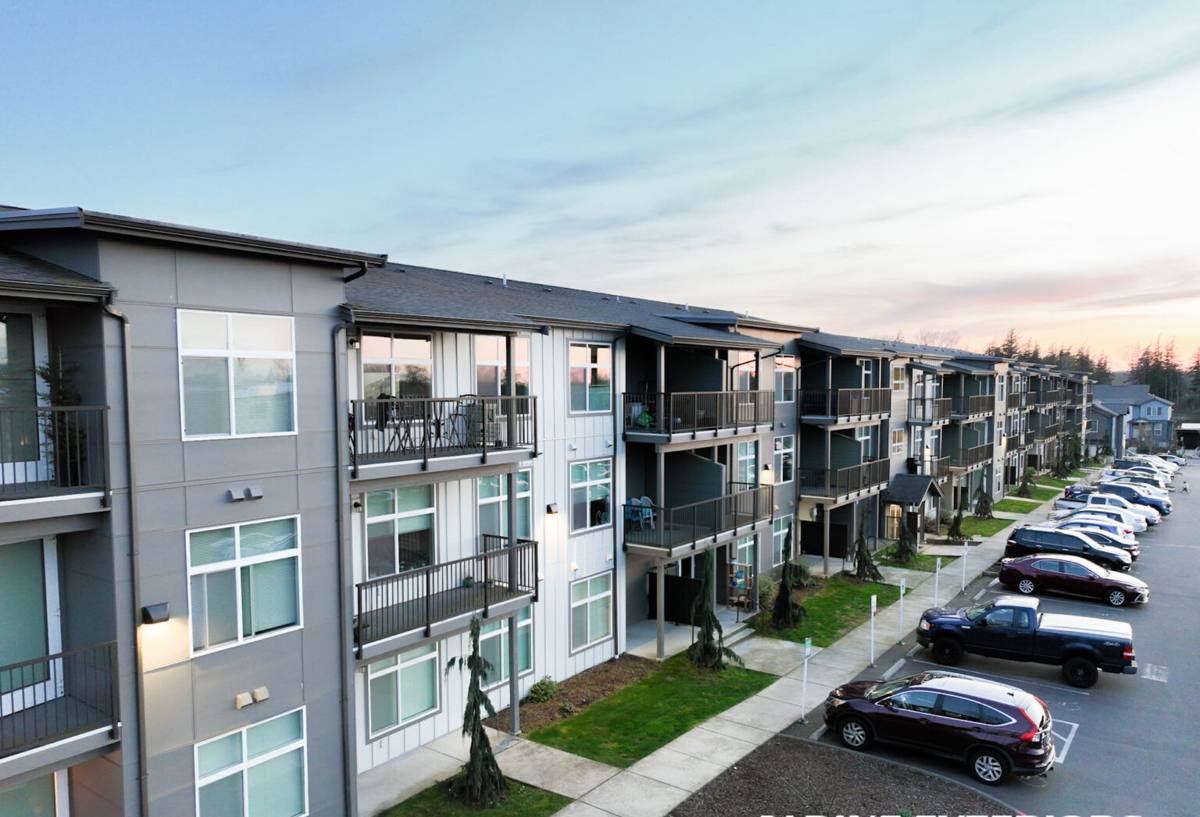
What Birch Bay's Climate Actually Does to Siding
Salt Air
Airborne salt is corrosive and it doesn't stay near the beach — wind carries it inland across the whole community. Salt exposure accelerates the breakdown of fasteners, caulking, and paint film, and it's especially hard on siding materials that rely on a surface coating to keep moisture out. Once that coating starts chalking or cracking, salt-laden moisture gets underneath faster than it would in a drier, inland setting.
Driving Rain and Wind
Waterfront and near-waterfront lots in Birch Bay take rain at an angle, not straight down. That matters because siding systems are only as good as their laps, flashing, and butt joints — the details that keep wind-driven water from being pushed up and behind the panels instead of running off the face. A siding job that isn't detailed for wind-driven rain will leak here even if it would never leak on a calmer, more sheltered street.
Moss and Persistent Moisture
Shaded, tree-lined lots and the general dampness of a Pacific Northwest coastal winter give moss and algae a long season to take hold. Moss holds moisture against the siding surface far longer than open air would, which is exactly the condition that rots wood-based products and stains porous or poorly finished materials.
None of this is unique to any one house — it's the baseline for Birch Bay. Siding replacement here has to be planned around it, not treated as an afterthought.
Signs a Birch Bay Home Needs Siding Replacement
Coastal wear doesn't always show up as an obvious hole in the wall. It's often subtler, and homeowners near the water tend to see these signs earlier and more often than inland neighbors:
- Soft, spongy, or crumbling spots when you press on the siding, especially near the bottom courses and around windows
- Paint that's chalking, peeling, or losing adhesion faster than a normal repaint cycle would explain
- Persistent green or black staining that comes back within a season or two of cleaning
- Visible gaps, warping, or buckling panels, particularly on the side of the house that faces the water or prevailing wind
- Rising heating bills or drafts that suggest the weather barrier behind the siding has failed
- Corroded or rust-streaked fasteners, a common early tell on homes with heavy salt exposure
- Rot or soft wood found at trim boards, corners, or anywhere siding meets a roofline or deck
Any one of these can be a minor fix. Several at once, or damp sheathing found once siding comes off, usually means full replacement is the more honest recommendation than another round of patching.
What a Correct Siding Replacement Involves
Replacing siding on a coastal home isn't just swapping old panels for new ones. Done correctly, it's a system, and every layer matters as much as the visible surface:
Tear-Off and Inspection
Old siding comes off down to the sheathing so it can actually be inspected, not guessed at. This is where hidden rot, past water intrusion, or failed house wrap usually turns up — problems that get sealed in and made worse if a crew just sides over the top of them.
Repair the Substrate
Any damaged sheathing or framing gets repaired before anything new goes on. Skipping this step is the single most common reason siding jobs fail early, coastal or not — but on a Birch Bay lot with more moisture exposure to begin with, it matters more.
Weather-Resistive Barrier and Flashing
A properly lapped weather-resistive barrier, correctly integrated flashing at windows, doors, and trim, and attention to how water is meant to drain down and out — this is the part that determines whether wind-driven rain stays outside the wall assembly or ends up inside it.
Siding Installation
Panels, fasteners, and joints are installed to manufacturer spec, with the fastening pattern and clearances suited to a windy, high-moisture site. Gaps at trim and butt joints are sealed with the right products, not just caulked over as a finishing step.
Finish and Detail Work
Trim, corners, and caulking get finished so water sheds away from the house at every transition — the small details that separate a job that looks good on day one from one that still looks good in year ten.
Why We Install Only James Hardie Fiber Cement
We don't offer vinyl, LP SmartSide, or primed wood siding, and Birch Bay is a good example of why. This is a demanding coastal environment, and the products we've chosen to walk away from each have a real weakness that shows up faster here than it would somewhere sheltered and dry.
Vinyl can warp and become brittle under UV exposure and temperature swings, and its seams and profile depend heavily on the installer getting expansion gaps and fastening right — margin for error we're not willing to build a coastal installation around. Wood-based and OSB-core siding products rely on an intact factory coating to keep moisture out; once that coating is compromised by salt air, sun, or a nick during installation or later maintenance, the engineered wood core underneath is genuinely vulnerable to swelling and rot, and that damage is often hidden until it's advanced.
James Hardie fiber cement is cement, sand, and cellulose fiber — it doesn't have an organic core to rot, and it isn't UV-brittle the way vinyl can be. Hardie's ColorPlus factory finish is baked on and warranted against fading and chipping under real outdoor exposure, which matters on a site that gets more sun-and-salt cycling than an inland yard. Hardie also engineers its products by climate zone — the HZ5 line used in the Pacific Northwest is built around this region's moisture and freeze-thaw pattern specifically, rather than being a one-size-fits-all product. It's also non-combustible, which is worth something on any home, coastal or not.
We're not saying every other product is a bad choice everywhere. We're saying that after years of installing and repairing siding on homes exactly like the ones in Birch Bay, Hardie fiber cement is the material we're willing to put our name behind here.
Our Process for a Birch Bay Siding Replacement
- On-site assessment. We walk the exterior, check for existing damage, and look specifically at exposure — which walls take the most wind, sun, and salt.
- Written estimate. A clear scope and price, including what happens if we find sheathing damage once the old siding is off.
- Tear-off and substrate check. Old material comes off, damaged framing or sheathing is repaired, and you see what we found before we close it up.
- Weather barrier and flashing. Installed and lapped correctly at every window, door, and trim transition, with wind-driven rain specifically in mind.
- James Hardie installation. Installed to manufacturer specification for fastening, clearance, and joint treatment.
- Final walkthrough. We go over the finished work with you before we consider the job done.
What Affects the Cost of Siding Replacement
Every Birch Bay home is different, and we won't quote a number without seeing the house, but these are the factors that move the price up or down on most coastal replacement projects:
| Factor | Why It Matters |
|---|---|
| Home size and number of stories | More square footage and taller walls mean more material and more labor, including staging for upper levels |
| Condition of the sheathing underneath | Rot or water damage found during tear-off adds repair work that can't be known until the old siding is off |
| Amount of trim and architectural detail | Corners, window trim, and multiple roof-wall intersections all add flashing and finish labor |
| Siding profile and color selection | Different Hardie profiles and ColorPlus finishes carry different material costs |
| Site exposure and access | Wind exposure, waterfront setbacks, and tight or sloped lots can affect scaffolding, staging, and crew time |
| Removal and disposal of old siding | Older materials sometimes require special handling, which adds time and disposal cost |
Why Local Experience in Birch Bay Matters
A crew that mostly works drier, more sheltered inland jobs can still do competent work, but they're not thinking about wind-driven rain and salt exposure as a default assumption — they're reacting to it as a surprise. Working regularly in and around Ferndale and Birch Bay means we already know which details get skipped on lower-exposure jobs and can't be skipped here: the flashing laps, the fastening pattern, the clearances at grade and around trim. It also means we're a known, reachable crew if a question comes up after the job is done, not a company that worked one job on your street and moved on.
Caring for Your Siding After Replacement
James Hardie fiber cement is low-maintenance, not zero-maintenance, especially this close to the water. A periodic rinse to knock off salt residue and organic buildup, prompt attention to any caulking that starts to fail at trim joints, and keeping vegetation trimmed back so walls get some air and sun go a long way toward getting the full life out of the material. None of that compares to the upkeep a wood-based or vinyl product would demand in the same conditions, but it's worth doing.
Get a Straightforward Estimate
If your Birch Bay home is showing signs of coastal wear — soft spots, failing paint, recurring moss staining, or siding that's just past its useful life — we're glad to take a look and give you an honest read on what it needs. Use the form below to request a free, no-pressure estimate.