 Ferndale Siding
 Why Lummi Island Homes Need Siding Built for the Water
Lummi Island sits out in the water in a way most Whatcom County neighborhoods don't. Every home here is close to the shoreline, exposed to open water on more than one side, and reachable only by ferry. That geography is part of what makes the island a beautiful place to live, and it's also exactly why siding fails faster here than it does twenty minutes inland in Ferndale or Bellingham. Salt-laden air, driving rain off the water, and a moss season that runs longer than most of the region see to it that the wrong siding material or a mediocre installation shows problems within a few years instead of a few decades.
This page covers what siding installation actually needs to hold up on Lummi Island, what a correct install looks like, and why we install only James Hardie fiber cement siding on every home we touch here — not vinyl, not LP SmartSide, not cedar, not primed wood.
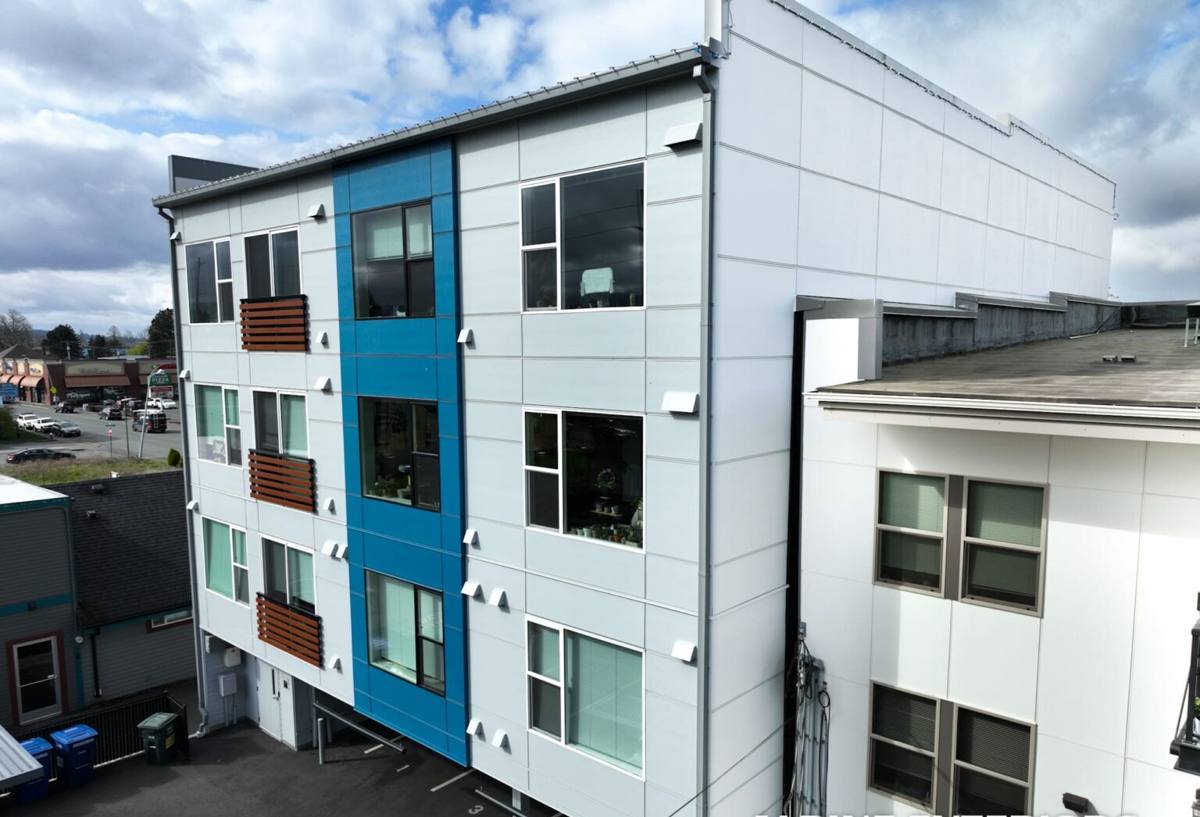
The Three Things Lummi Island Weather Does to Siding
Salt Air
Airborne salt from the surrounding water settles on exterior surfaces year-round, not just during storms. On metal fasteners, trim, and flashing, salt accelerates corrosion. On some siding materials, the salt film also holds moisture against the surface longer than it would on a house set back from the water, which compounds every other problem on this list.
Driving, Wind-Driven Rain
Rain on the island rarely falls straight down. Wind off the water pushes it sideways into wall assemblies, which means siding here has to shed water at seams, laps, and penetrations that would barely get wet on a more sheltered lot. A siding system with weak water management — poor lap coverage, undersized gaps, missing flashing — will let moisture behind the cladding on Lummi Island long before it would on a typical Ferndale street.
A Long Moss and Algae Season
Between the marine humidity and the tree cover common on the island, moss and algae have a long growing window here — often close to year-round on north-facing and shaded walls. Any siding material that isn't engineered to resist moss growth will show green and black staining faster on Lummi Island than almost anywhere else in the county, and once organic growth gets a foothold in a porous or damaged surface, it holds moisture against the wall and shortens the life of everything under it.
What a Correct Installation Actually Involves
Good siding material installed poorly still fails. On an exposure like Lummi Island's, installation quality matters as much as the product itself — sometimes more.
Water Management Comes First
Before a single piece of siding goes up, the wall needs a continuous weather-resistive barrier, correctly lapped and taped, with flashing integrated at every window, door, and penetration so water is directed out and down rather than trapped behind the cladding. On a wind-driven-rain site like this one, we treat flashing details — head flashing, kick-out flashing at roof-wall intersections, proper sill pans — as non-negotiable, not optional upgrades.
Gaps, Fastening, and Clearance
Fiber cement siding needs the manufacturer's specified gaps at butt joints and trim to allow for expansion and to keep water from wicking into end grain. Fasteners need to be the corrosion-resistant type and spacing James Hardie specifies for our wind zone, driven correctly — not overdriven, not underdriven. Ground clearance at the base of the wall matters too, especially near grade or landscaping, so the bottom course isn't sitting in a moisture trap where moss gets started.
Caulking and Sealant Details
The sealant used at trim, seams, and penetrations has to be rated for the movement and moisture exposure this site sees. Cheap or misapplied caulking is one of the most common reasons a siding job that looked fine at completion starts leaking or staining within a couple of years.
Why We Install Only James Hardie Fiber Cement
We don't install vinyl, LP SmartSide, primed wood, or cedar. That's a deliberate standard, not a limitation — and on a site like Lummi Island, the reasoning is more obvious than almost anywhere else we work.
James Hardie fiber cement is non-combustible, which matters given the island's wildfire and defensible-space considerations. It's manufactured with a factory-applied ColorPlus finish that's engineered to resist fading and hold up to UV and moisture exposure far better than field-applied paint, which means fewer repaint cycles over the life of the siding. Hardie also builds its siding lines in climate-specific HZ formulations — engineered moisture and durability performance calibrated to the region a home is in, which is directly relevant to a marine, high-rainfall exposure like this one. And it carries a strong transferable limited warranty, which matters to island homeowners thinking about resale.
None of that is marketing gloss — it's the specific set of properties that hold up against salt air, wind-driven rain, and a long moss season, which is why it's the only product we put on homes here.
How the Common Options Stack Up on a Marine Exposure Like This One
| Factor | James Hardie Fiber Cement | Vinyl | Cedar / Primed Wood |
|---|---|---|---|
| Salt air / corrosion behavior | Engineered for moisture exposure; factory finish holds up well | Doesn't corrode, but can warp, fade, and become brittle with UV and temperature swings | Vulnerable to rot and fastener corrosion if moisture gets behind it |
| Wind-driven rain / water management | Rigid, holds tight tolerances at laps and seams when installed to spec | Flexes and can gap at seams over time, allowing water intrusion | Performs well only with diligent, ongoing sealant and paint maintenance |
| Moss / algae resistance | Dense, engineered surface resists organic growth better than porous materials | Smooth surface resists growth but can trap moisture behind panels | Porous surface is highly susceptible to moss and rot in shaded, damp areas |
| Fire resistance | Non-combustible | Combustible; can melt or deform near heat sources | Combustible |
| Typical maintenance burden | Occasional rinsing and caulk checks; repaint cycles are longer with ColorPlus | Low structural upkeep, but fading and brittleness increase over time | Regular repainting, sealing, and rot inspection required |
| Warranty structure | Strong, transferable limited warranty on material and finish | Varies widely by manufacturer and installer | Typically no material warranty beyond the coating product itself |
Our Installation Process on Lummi Island
- Site visit and assessment — we look at the home's specific exposure (which walls take the most wind and salt spray, existing moss patterns, current water damage) before recommending a scope of work.
- Tear-off and wall inspection — old siding comes off and we inspect the sheathing underneath for rot or hidden moisture damage, which is common to find on older island homes that have taken decades of marine exposure.
- Weather-resistive barrier and flashing — a continuous, correctly lapped barrier goes on, with flashing detailed at every window, door, and penetration.
- James Hardie installation — siding, trim, and fasteners installed to manufacturer spec and our wind-zone fastening schedule, with correct gaps and clearances throughout.
- Caulking and finish details — sealant at seams and trim rated for this exposure, final trim and detail work.
- Final walkthrough — we go over the completed work with the homeowner and cover basic care going forward.
Working on an Island Changes the Logistics
Lummi Island is ferry-accessible only, which means material deliveries and crew scheduling have to be planned around ferry timing, not just the weather forecast. A contractor who hasn't worked the island before often underestimates this — they'll quote a project as if it's a normal Ferndale mainland job, then lose days to logistics they didn't plan for. We build ferry scheduling into the project timeline from the start: staging materials in advance, planning crew trips to minimize crossings, and setting realistic completion windows so island logistics don't turn into surprise delays for the homeowner.
Caring for Your Siding After Installation
James Hardie siding installed correctly is low-maintenance, not no-maintenance — especially in a marine environment. A little routine attention keeps it performing the way it's designed to for decades.
- Rinse the exterior periodically to remove salt film buildup, especially on walls facing open water
- Check caulking at trim, seams, and penetrations once a year for cracking or separation
- Keep gutters and downspouts clear so water isn't overflowing onto siding below
- Trim back vegetation and tree cover that keeps walls shaded and damp, which speeds up moss growth
- Look at the base of the walls near grade for early signs of moss or staining and address it before it spreads
- Address any impact damage or fastener issues promptly rather than letting them sit through a wet season
Why Hiring a Crew That Already Works Lummi Island Matters
Siding installation on Lummi Island isn't the same job as siding installation on a sheltered inland lot, even though the material list can look identical on paper. The wind-driven rain exposure demands stricter flashing and sealant work. The salt air affects material and fastener choices. The moss season means detailing matters at every shaded wall. And the ferry logistics affect scheduling in a way that catches out crews who haven't planned for it before.
A crew that already understands these conditions builds them into the plan from day one instead of learning them at the homeowner's expense partway through the project. That's the difference between a siding job that looks good at completion and one that's still performing the way it should ten and twenty years down the road.
Get a Straightforward Estimate
If you're weighing a siding project for your Lummi Island home, we're happy to take a look and give you a straightforward, no-pressure estimate — including an honest read on your home's specific exposure and what it actually needs. Use the form below to get started.