 Ferndale Siding
 Semiahmoo's Coastal Climate Is Hard on Siding
Homes near Semiahmoo sit close enough to the water that salt air is a daily fact of life, not an occasional nuisance. Add in wind-driven rain rolling off the Salish Sea and a moss season that can stretch from October well into spring, and you've got a combination that punishes cheap materials and sloppy installation fast. Whatcom County's marine climate is milder than most of the country in terms of temperature swings, but it's relentless in a different way — steady moisture, steady wind, and steady exposure to airborne salt that corrodes fasteners and breaks down finishes that weren't built for it.
Siding in this part of Ferndale's service area doesn't fail because of one big storm. It fails slowly, from years of moisture finding its way behind panels, fasteners corroding where they shouldn't, and paint or coatings chalking and peeling because they were never rated for salt exposure. That's the backdrop for every decision we make when we're on a Semiahmoo job — the material, the flashing details, the fastener spec, all of it.
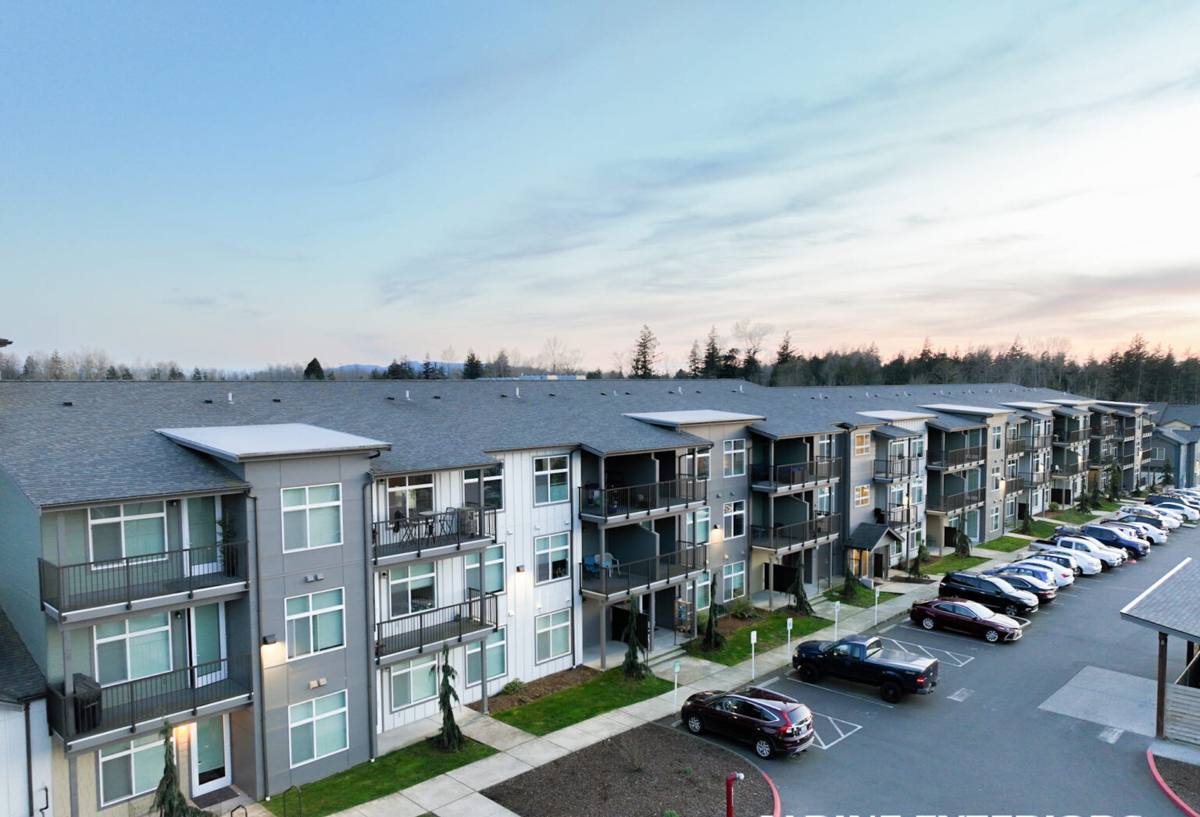
Why We Only Install James Hardie Here
We don't install vinyl, LP SmartSide, Cemplank, Allura, or unprimed wood siding, and it's not because those products are worthless — some of them work fine in drier, more sheltered climates. It's because none of them hold up to salt air, constant moisture, and moss pressure as consistently as James Hardie fiber cement, and we're not willing to put our name on an install we think has a real shot at underperforming in this specific environment.
Built for the Pacific Northwest
James Hardie engineers its siding by climate zone, and the HZ5 line is built specifically for regions like ours — wet winters, damp summers, and near-constant humidity. That's a meaningfully different product than a generic fiber cement board, and it's the reason we spec HZ5 as the standard for coastal Whatcom County homes rather than treating siding as one-size-fits-all.
A Factory Finish That Holds Up to Salt Air
ColorPlus finish is baked on at the factory under controlled conditions, which gives it better adhesion and UV resistance than field-applied paint. That matters here because repainting siding on a home exposed to salt air and driving rain is a real maintenance burden — ColorPlus is engineered to go longer between touch-ups, which is a direct answer to the climate this area throws at a house.
Non-Combustible, Not Just Weather-Resistant
Fiber cement doesn't feed a fire the way wood-based products can, and it doesn't need the same seams, gaps, and weep systems that vinyl relies on to survive — details that are also where moisture and wind-driven rain like to find their way in. For a home exposed to constant coastal weather, fewer failure points is a real advantage, not a marketing line.
What Correct Installation Looks Like on a Semiahmoo Home
James Hardie siding is only as good as the installation behind it. The product can be rated for our climate zone and still fail early if the crew installing it treats it like any other siding.
Moisture Management Behind the Siding
A correct install starts with a drainage plane and weather-resistive barrier that actually drains, not just a barrier that's technically present. Rainscreen or furring strategies matter more here than in drier climates because they give bulk water a path out instead of trapping it against the sheathing — a detail that becomes critical when driving rain is a regular event rather than an occasional storm.
Fastening and Clearances
Fasteners need to be corrosion-resistant and driven to the manufacturer's spec — not too deep, not too shallow — and siding needs proper clearance from grade, roofing, and decks so water doesn't wick up into the board ends. Salt air accelerates corrosion on the wrong fastener choice, which is why we don't cut corners here even though it's invisible once the job is done.
Joints, Caulking, and Trim
Butt joints, trim transitions, and penetrations are where most siding failures actually start. Correctly sealed and flashed joints, paired with quality caulking rated for exterior exposure, keep wind-driven rain from working its way behind the cladding over years of coastal weather.
Siding Materials and Semiahmoo's Climate
| Material | Salt Air / Corrosion | Wind-Driven Rain | Moss & Moisture | Maintenance Burden |
|---|---|---|---|---|
| James Hardie (HZ5) | Non-metallic board resists salt degradation; use corrosion-resistant fasteners | Rigid panels, proper laps and flashing shed water well | Non-organic material doesn't feed moss growth | Low — factory finish, occasional wash and caulk check |
| Vinyl | Can become brittle and discolor faster near salt exposure | Relies on lapped seams that can allow wind-driven rain intrusion | Moss and mildew can build in seams and J-channels | Low upfront, but early replacement is common in coastal zones |
| Wood / Cedar | Salt air accelerates weathering of finishes | Absorbs moisture at joints and end grain | Organic surface is prone to moss and mildew | High — regular refinishing and moisture monitoring |
| Primed Spruce / LP-style | Coating can degrade faster in salt-heavy air | Engineered wood is sensitive to sustained moisture exposure | Requires diligent maintenance to prevent moisture-related issues | Moderate to high — coating and edge sealing upkeep |
Our Process From First Call to Finished Wall
- On-site walkthrough of the home's exposure — wind direction, water drainage, sun and shade patterns, and current siding condition.
- Inspection of the sheathing and wall assembly once old siding is removed, so hidden moisture damage gets addressed before new siding goes on, not after.
- Installation of the drainage plane, flashing, and any rainscreen detailing appropriate to the specific wall and exposure.
- James Hardie HZ5 panel or lap siding installation to manufacturer fastening and clearance specifications.
- Trim, joint, and penetration sealing with exterior-rated materials suited to sustained coastal moisture.
- Final walkthrough covering warranty registration and what basic upkeep looks like going forward.
Why Hiring a Crew That Already Works This Area Matters
A contractor who mostly works inland or in drier parts of the state can install James Hardie siding perfectly correctly by the book and still miss the details that matter specifically near open water — where the wind comes from on a typical winter storm, how much moss pressure a north-facing wall actually sees, or how quickly a poorly caulked joint turns into a moisture problem in a climate that rarely gives a wall time to fully dry out. A crew that regularly works homes in and around Ferndale and the Semiahmoo area has already seen how these variables play out on real houses, not just in a spec sheet.
That local pattern recognition shows up in small decisions — where to add extra flashing, which walls justify a rainscreen gap, how tight to run caulking schedules for touch-ups — that don't show up on a proposal but show up in how the siding performs ten and twenty years out.
Living With James Hardie Siding in This Climate
Fiber cement is low-maintenance compared to wood or vinyl, but "low-maintenance" doesn't mean "no maintenance" in a marine climate. A little attention keeps a correctly installed system performing the way it's designed to.
- Rinse siding periodically to clear salt residue, especially on walls facing open water or prevailing wind.
- Walk the exterior once a year and check caulking at joints, trim, and penetrations for cracking or gaps.
- Keep gutters and downspouts clear so water isn't sheeting down walls or pooling at the base of the siding.
- Trim back vegetation and clear debris that traps moisture against the siding and encourages moss growth.
- Address any nail pops, cracked caulking, or paint chalking early rather than letting small issues sit through another wet season.
What Influences Your Project's Cost
| Factor | Why It Matters |
|---|---|
| Home size and wall complexity | More corners, gables, and trim details mean more labor and material |
| Current wall condition | Sheathing repair or moisture damage found during tear-off adds scope |
| Siding profile chosen | Lap, panel, and shingle-style Hardie products differ in material and install time |
| Trim and accessory scope | Corner boards, window trim, and fascia work add to the total project |
| Site access and exposure | Waterfront and wind-exposed walls may need added flashing or rainscreen detail |
Every Semiahmoo-area home carries a different mix of these factors, which is why we walk the property before quoting rather than pricing off square footage alone. If you're weighing a siding replacement and want a straight answer on what your home actually needs, we're glad to come take a look and put together a free, no-pressure estimate.