 Ferndale Siding
 Window Replacement in Sandy Point: A Coastal Job, Not a Standard One
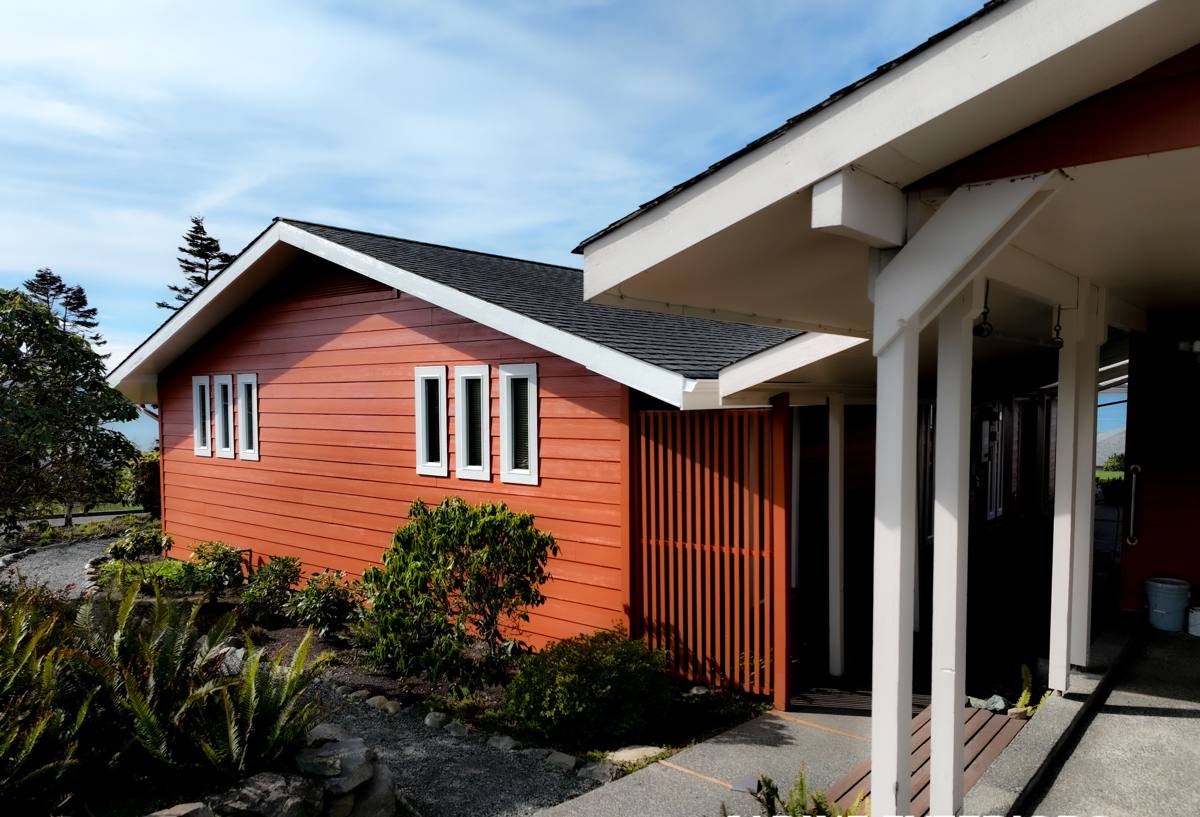
Sandy Point sits right up against the water, and that changes what a window replacement job actually needs to accomplish. A window that performs fine a few miles inland in Ferndale can fail early on a home that takes salt spray off the water, wind-driven rain most of the winter, and months of low sun and shade that keep siding and trim damp. This page is about one job, in one place: replacing windows on homes in Sandy Point, done in a way that accounts for the conditions this stretch of Whatcom County actually produces.
We're not going to give you a generic rundown of window styles. We're going to walk through what salt air, driving rain, and moss season do to a window assembly over time, what a correctly installed replacement window looks like out here, and how our process is built around those specifics rather than a one-size-fits-all install.
What the Coastal Climate Does to Windows Over Time
Salt Air and Metal Fatigue
Airborne salt from the Strait of Georgia settles on everything nearby, including window hardware, screen frames, and exposed fasteners. Over years, that salt exposure accelerates corrosion on lower-grade metal components — hinges get stiff, cranks seize, and unprotected fasteners rust and stain the frame around them. It's a slow process, so it's easy to miss until a window that used to open smoothly won't budge, or until rust streaks start showing up below the hardware.
Wind-Driven Rain and Water Intrusion
Rain that comes in sideways during a winter storm behaves differently than rain that falls straight down. It gets pushed up under trim, into gaps around the frame, and into any flashing detail that wasn't built for lateral pressure. A window that's watertight in a light rain can still leak during a wind event if the flashing and sealant weren't installed with that scenario in mind. On a waterfront lot with little to block prevailing wind, that's the normal condition, not the exception.
Moss, Mildew, and Extended Damp Season
Whatcom County's long wet season means wood trim, sills, and any organic-based caulking stay damp for extended stretches, especially on north- and west-facing walls that don't get much drying sun. That moisture supports moss and mildew growth around window perimeters, which holds even more moisture against the frame and accelerates rot in wood components if the assembly isn't detailed to shed water and dry out between rains.
Signs a Sandy Point Home Is Due for Window Replacement
Because coastal wear happens gradually, a lot of homeowners live with early warning signs for years before addressing them. Watch for:
- Hardware that's stiff, rusted, or won't latch fully closed
- Visible condensation between panes, which means the seal has failed
- Soft or discolored wood at the sill or lower frame corners
- Drafts you can feel near the frame on a windy day
- Moss or dark staining building up on the trim around the window
- Difficulty opening or closing that wasn't there a year or two ago
- A noticeable jump in heating costs without another clear cause
Any one of these on its own might just need a repair. Several at once, especially on the water-facing side of the house, usually points to the window assembly reaching the end of its useful life.
What a Correct Window Replacement Job Involves
Flashing and Weatherproofing Come First
The window itself matters less than what happens around it. Correct flashing — installed in the right order, lapped so water sheds outward and down, and sealed at the right points without trapping moisture behind the frame — is what actually keeps wind-driven rain out. A high-end window installed with rushed or incomplete flashing will leak just as fast as a cheap one. This is the step that gets skipped most often on jobs done quickly, and it's the one that matters most this close to the water.
Frame Material Choices for a Salt Air Environment
Frame material affects how a window handles years of salt exposure and moisture cycling. There's no single "best" choice for every home — it depends on your siding, your budget, and how exposed the specific window is to prevailing wind and spray.
| Frame Material | Salt Air Behavior | Maintenance | General Cost Position |
|---|---|---|---|
| Vinyl | Doesn't corrode; hardware is the main wear point | Low — occasional cleaning and hardware checks | Lower |
| Fiberglass | Very stable in salt air and temperature swings | Low | Mid to higher |
| Aluminum | Can pit or corrode over time without a marine-grade finish | Moderate — watch for coating breakdown | Mid |
| Wood (clad or unclad) | Prone to moisture damage if exposed sides aren't well protected | Highest — regular sealing and inspection needed | Higher |
We'll walk through which option makes sense for your specific exposure and siding type rather than pushing one material across every home — a shaded, wind-sheltered window has different needs than one facing open water head-on.
Glass Package and Hardware
For homes this close to the water, we generally steer toward insulated glass units with good seal warranties and corrosion-resistant hardware — stainless or coated fasteners and hinges rather than standard-grade metal that will show rust within a few seasons. It's a small upcharge relative to the total job and it's the difference between hardware that still works smoothly in ten years and hardware that seizes up in three.
Our Process for a Sandy Point Window Replacement
1. On-Site Assessment
We look at each window individually — its exposure to wind and spray, the condition of the existing flashing and sill, and any moisture or rot already present in the surrounding trim. Two windows on the same house can need different treatment depending on which direction they face.
2. A Clear, Written Plan
Before any work starts, you get a straightforward explanation of what's being replaced, what frame and glass options fit your home and budget, and what the flashing detail will look like. No pressure toward the most expensive option — just an honest read on what your home actually needs.
3. Install Day
Old windows come out carefully so we can inspect the framing underneath for hidden rot or moisture damage before it gets covered up again. New flashing goes in correctly, the window gets set square and level, and sealant is applied at the right points — not just wherever's convenient. We work to keep this efficient since Sandy Point weather doesn't always give you a wide-open dry window to work in.
4. Final Check and Cleanup
Every window gets tested for smooth operation and a proper seal before we consider the job done, and the work area is cleaned up before we leave.
Why Hiring a Crew That Already Works Sandy Point Matters
A contractor who mostly works inland doesn't build the habit of over-detailing flashing for wind-driven rain, because inland homes rarely demand it. Crews familiar with Sandy Point and similar waterfront pockets of Whatcom County already know to check for salt-related hardware wear, to plan install timing around the weather this area actually gets, and to spot early rot in trim before it spreads. That familiarity shows up in fewer callbacks and windows that hold up the way they're supposed to, not just for the first year or two.
It also matters for something simpler: knowing what's realistic. We're not going to promise a maintenance-free window on a home that takes direct salt spray, because that's not honest. We'll tell you what upkeep to expect and build the install to minimize it, rather than overselling a product as bulletproof.
Keeping New Windows Performing in a Salt Air Environment
A correctly installed window still benefits from basic upkeep in this environment. Rinsing salt residue off frames and hardware periodically, keeping weep holes clear of debris so water can drain out, and checking caulking annually for cracking will extend the life of the install significantly. None of this is heavy maintenance — it's a few minutes a few times a year — but skipping it is how a good window ends up looking like a bad one after a decade near the water.
Get a Straight Answer on What Your Windows Need
If you're noticing drafts, stiff hardware, fogged glass, or moss building up around your window trim in Sandy Point, it's worth getting an honest, no-pressure look before deciding what to do. We'll tell you what's actually wearing out, what's still fine, and what a correct replacement would involve for your specific exposure — no upsell, just a straight assessment. Use the form below to request a free estimate.