 Ferndale Siding
 Fairhaven's Roofs Work Harder Than Most
Fairhaven sits close enough to Bellingham Bay that salt-laden air, driving rain off the water, and shade from mature trees all show up in the condition of a roof faster than they would a few miles inland. We work throughout Whatcom County, and the roofs we repair near the bay consistently show a different wear pattern than the ones we see out toward Ferndale's farmland or up in the foothills — more moss, more corrosion on exposed metal, and more granule loss on south- and west-facing slopes that take the brunt of wind-driven rain.
None of that means a Fairhaven roof is doomed to constant trouble. It means the repair has to account for the actual conditions on that roof, not just patch the visible symptom. That's the approach behind everything on this page.
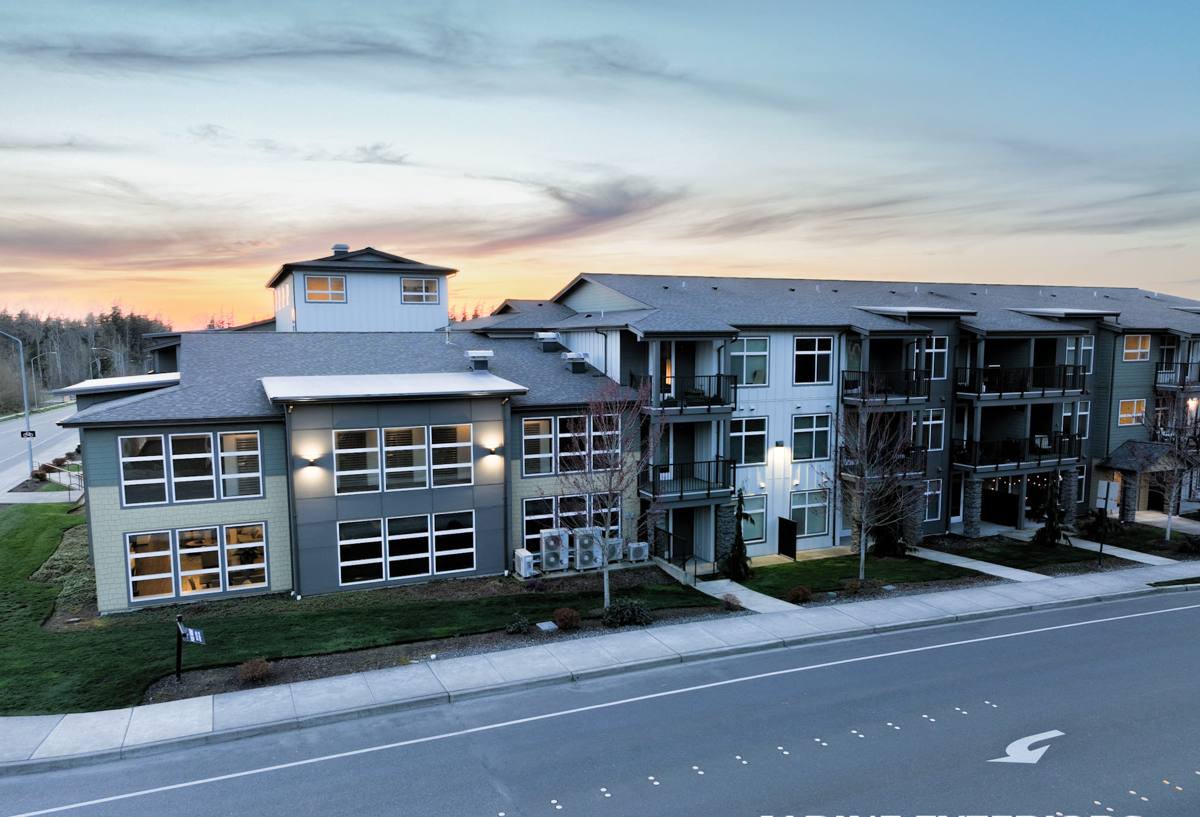
What the Regional Climate Does to a Roof
Whatcom County doesn't get extreme weather so much as it gets relentless weather — long stretches of low-intensity rain, short winter days that keep roofs damp for hours after a storm passes, and a moss season that can run from fall through spring. Add proximity to salt air near the water and you get a specific set of failure points:
- Moss and algae growth that holds moisture against shingles and lifts tabs over time
- Fastener and flashing corrosion accelerated by salt air, especially on older galvanized metal
- Granule loss from sustained wind-driven rain, thinning the shingle's UV and weather barrier
- Slow leaks at penetrations — vents, chimneys, skylights — where sealant and flashing degrade faster in a marine climate
- Gutter and valley debris buildup from surrounding tree cover, which backs up water under the roof edge
Individually, these are minor. Left alone through a few wet seasons, they compound into deck rot, interior water staining, and repairs that cost far more than they would have if caught early.
Common Repairs We Handle in Fairhaven
Moss and Algae Remediation
Moss isn't just cosmetic. Once it establishes on a shingle roof, its root structure holds water against the surface and works tabs loose. Proper treatment means safe removal (not pressure-washing, which strips granules and shortens shingle life), targeted treatment to slow regrowth, and repair of any shingles already lifted or cracked underneath.
Flashing Repair and Replacement
Flashing around chimneys, skylights, and roof-to-wall transitions is where most leaks in this area actually start — not in the field of the roof itself. Salt air speeds up corrosion on older metal flashing, and a flashing failure can leak for months before it shows up as a stain on a ceiling.
Shingle and Underlayment Repair
Wind and driving rain lift and crack shingles over time, and once the underlayment beneath them is exposed, water finds a way in fast. We match repairs to existing materials where possible and replace underlayment in the repaired section rather than just laying new shingles over compromised material.
Leak Diagnosis and Deck Repair
A leak that shows up inside the house is often several feet from where the water is actually entering the roof. Tracing it correctly — and checking the roof deck underneath for soft spots or rot — is the difference between a repair that lasts and one that reappears the next heavy rain.
Gutter and Edge Repair
Roof edges and gutters take on outsized importance under Whatcom County's rain volume. Damaged drip edge or clogged, sagging gutters push water back under the roofline instead of away from the house.
Signs a Fairhaven Roof Needs Repair Now
Most roof problems give warning signs well before they become emergencies. Worth checking for, especially after a wet or windy stretch:
- Dark streaking or visible moss growth on any part of the roof
- Granules collecting in gutters or at the base of downspouts
- Shingles that are curling, cracked, or missing
- Daylight visible through the attic roof deck
- Water stains or discoloration on interior ceilings, especially near chimneys or skylights
- Soft or spongy spots when walking the roof (never do this without proper safety gear)
- Rusted or lifting flashing around penetrations
- Sagging sections along the roofline or in valleys
What a Correct Repair Actually Involves
A roof repair done right isn't just replacing what's visibly damaged. It starts with identifying why that section failed in the first place — a flashing issue, a ventilation problem, or simple age — because repairing the surface without addressing the cause just buys time before the same spot fails again.
A thorough repair typically includes:
- Inspection of the damaged area and the surrounding roof, not just the reported leak location
- Checking attic ventilation and insulation, since poor airflow accelerates moisture damage from the inside
- Removing damaged materials down to sound decking
- Repairing or replacing the roof deck if it's soft, delaminated, or rotted
- Installing new underlayment and flashing matched to the existing roof system
- Matching shingle or roofing material as closely as possible to minimize visual patchwork
- A final water-test or close inspection at seams and flashing before calling the job done
Our Roof Repair Process
1. Inspection and Honest Assessment
We walk the roof (or use appropriate tools for steep or unsafe sections) and document what we find — not just the problem area, but the roof's overall condition and remaining service life. If a section is beyond a reasonable repair, we say so plainly and explain why, rather than patching something that needs full replacement.
2. Written Scope and Estimate
Before any work starts, we walk through exactly what needs to be done, what materials will be used, and what it costs. No surprise add-ons once the roof is opened up unless we find something that genuinely wasn't visible during inspection — and if that happens, we stop and talk it through with you first.
3. The Repair
Work is done to match the existing roof system wherever possible, with attention to the details that matter most in this climate — proper flashing laps, correctly fastened underlayment, and ventilation that isn't blocked or compromised by the repair.
4. Cleanup and Final Check
Debris and old materials are cleared from the property, gutters and ground are checked for stray nails or granules, and we do a final review of the work before considering the job complete.
Repair or Replace? How We Help You Decide
Not every roof problem needs a full replacement, but some do — and a contractor pushing one over the other without a clear reason isn't giving you good advice. Here's how we generally think about it:
| Factor | Leans Toward Repair | Leans Toward Replacement |
|---|---|---|
| Roof age | Under 15-18 years, condition otherwise sound | Nearing or past expected material lifespan |
| Extent of damage | Isolated to one section or penetration | Widespread granule loss, multiple leak points |
| Deck condition | Sound, no rot found | Soft, delaminated, or rotted decking |
| Repair history | First or infrequent repair needed | Same areas failing repeatedly |
| Ventilation | Adequate and functioning | Poor airflow causing ongoing moisture damage |
When a roof is genuinely borderline, we'll lay out both options honestly, including rough cost ranges, so the decision is yours to make with real information.
Why Local Experience with Fairhaven Roofs Matters
A crew that regularly works roofs near Bellingham Bay knows what to check first. We know moss shows up earlier and thicker on north-facing, shaded slopes common in this area. We know salt air shortens the service life of unprotected metal flashing and fasteners, which changes what materials we recommend for repairs. We know how the volume and duration of Whatcom County rain — not just its intensity — stresses gutters, valleys, and roof edges differently than a drier climate would.
That local pattern recognition shortens the diagnostic phase and reduces the odds of a repair missing a related issue that will just resurface as a new leak next season.
Maintenance That Extends a Repair's Life
A good repair lasts longer with basic upkeep between visits. Worth keeping on a seasonal schedule in this climate:
| Task | Recommended Frequency |
|---|---|
| Gutter and downspout clearing | 2-3 times per year, more with heavy tree cover |
| Moss inspection and treatment | Annually, before wet season sets in |
| Flashing and penetration check | Annually or after major storms |
| Attic ventilation check | Every 1-2 years |
| Full roof inspection | Every 1-2 years, or after any suspected damage |
Get a Straightforward Look at Your Roof
If you're seeing moss, a stain on a ceiling, or just want an honest read on how much life is left in a Fairhaven roof, we're glad to take a look. The estimate is free, there's no pressure to move forward, and you'll get a clear explanation of what we find and what it would take to fix it. Use the form below to get in touch.