 Ferndale Siding
 Fiber Cement Siding Built for the Nooksack Lowlands
The homes that sit toward the low, flat farmland where the Nooksack River drains out toward the Sound face a different exterior climate than a house up on higher, drier ground in town. It's still Ferndale, still Whatcom County, but the ground is flatter, the air holds more moisture longer, and the wind off the open fields and water has fewer obstacles to slow it down before it hits a wall. Salt-tinged marine air, driving rain that rarely falls straight down, and a moss season that can run most of the year on shaded or north-facing siding all show up here, and they show up a little harder than they do a few miles inland. This page is specifically about fiber cement siding for that stretch of the Nooksack lowlands around Ferndale, not a generic siding overview. What these homes need, what a correct installation actually involves, and why it matters to hire a crew that already works this exact ground.
We install James Hardie fiber cement siding exclusively. Not vinyl, not LP SmartSide, not primed wood, not cedar. That's a deliberate standard built around what holds up under sustained, low-lying coastal moisture, and it's the foundation for everything else on this page.
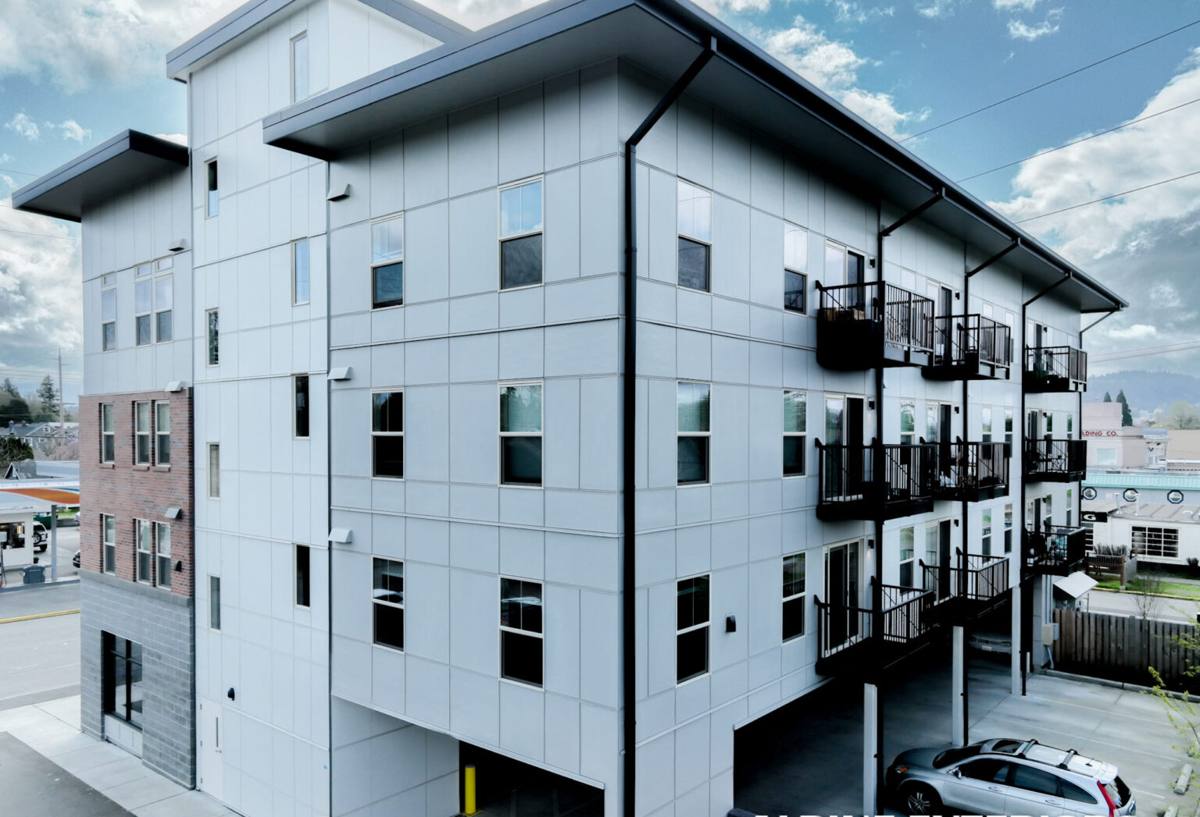
What the Low, Wet Ground Around Nooksack Does to a Wall
Standing Moisture and Slow Drainage
Flat, low-lying land drains differently than a sloped lot. Water that would run off a hillside property in an hour can sit in the yard, along the foundation line, and against the base of exterior walls for much longer here. That extra dwell time matters for siding. The longer a wall base stays damp after a storm, the more opportunity there is for moisture to work into any gap, seam, or fastener penetration that isn't detailed correctly, and the more time moss and mildew have to establish themselves on a shaded or north-facing elevation.
Wind-Driven Rain Off the Flats
Open farmland and fewer windbreaks mean storms moving through this part of the county push rain sideways with less resistance than they'd meet in a more built-up or tree-sheltered part of Ferndale. That's a heavier lateral load on a siding system's water management than a simple rainfall total suggests. Lap joints, trim intersections, and window and door flashing all take more direct hits from wind-driven rain here, which is exactly where a siding system with weak joint detailing or a moisture-sensitive core starts to show problems first.
Why We Install Only James Hardie Fiber Cement Here
An Inorganic Core That Doesn't Feed Moss or Rot
James Hardie siding is a cement-based composite of portland cement, sand, and cellulose fiber, cured into planks and panels. The core material is inorganic, so it doesn't swell, cup, or warp the way a wood-based product can under repeated wet-season moisture cycling, and it doesn't give moss, mildew, or rot an organic substrate to feed on the way untreated or lightly treated wood-based sidings can once a finish is compromised. On ground that stays damp as long as the Nooksack lowlands do, that difference compounds over years, not just after one bad storm season.
HZ5 and ColorPlus Engineered for This Exposure
Hardie's HZ5 product line is formulated specifically for regions with heavy moisture exposure and freeze-thaw cycling, which describes this stretch of Whatcom County better than a generic, warmer-climate formulation. Most of what we install also carries the factory-applied ColorPlus finish, a baked-on coating cured under controlled conditions rather than brushed on in the field after the siding is already on the wall. That factory cure resists fading and moisture intrusion at the coating level for longer than field-applied paint, which matters when salt air and sustained dampness are working against the finish year-round rather than just during a wet season.
What a Correct Fiber Cement Installation Actually Involves
Fiber cement's material advantages only show up in practice if the installation is done to spec. A good product installed carelessly can still fail early, and on ground this wet, sloppy details get exposed faster than they would on a drier lot. A correct job involves several things working together, not just nailing boards to a wall:
- Proper clearance from grade and from roofing and deck surfaces, so splash-back and standing water at the base of the wall don't have a direct path into the siding.
- A continuous, correctly lapped water-resistive barrier behind the siding, integrated with window and door flashing rather than just tucked behind it.
- Corrosion-resistant fasteners driven at the correct pattern and depth, since over- or under-driven fasteners are a common, avoidable source of early wear on any siding system.
- Joint treatment that lets any incidental moisture drain rather than trapping it. In wet climates like this one, Hardie's own guidance leans away from heavily caulked butt joints in favor of flashing or approved joint details that keep water moving out instead of sealed in behind the wall.
- Careful attention at every penetration, hose bibs, vents, light fixtures, and utility lines, since these are common leak points that have nothing to do with the siding material itself and everything to do with installation care.
Our Process for a Nooksack-Area Fiber Cement Project
We run the same disciplined process on every fiber cement job in this area, adjusted for what the specific property needs:
- Walk the property in person and assess the existing siding, trim, and any visible signs of moisture damage before quoting anything.
- Decide between tear-off and overlay based on the condition of what's currently on the wall, not on which option is faster to sell.
- Check the sheathing and framing once old siding is off, since years of trapped moisture behind failing siding is common on low, wet lots and needs to be repaired before new siding goes up, not covered over.
- Install the water-resistive barrier, flashing, and Hardie siding to manufacturer specification, with fastening, clearance, and joint details treated as seriously as the material choice itself.
- Walk the finished job with the homeowner, confirm everything is sealed and detailed correctly, and register the manufacturer warranty.
Fiber Cement vs. Other Siding Options for This Climate
| Factor | James Hardie Fiber Cement | Vinyl | Wood-Based (LP SmartSide, cedar) |
|---|---|---|---|
| Core material | Cement, sand, cellulose fiber (inorganic) | PVC plastic | Wood or engineered wood fiber (organic) |
| Moisture response on wet, low ground | Dimensionally stable, doesn't swell or warp | Doesn't absorb water, but can warp or buckle with heat and impact | Vulnerable at cut edges and once finish is compromised |
| Moss and mildew resistance | Inorganic core gives growth nothing to feed on | Surface can host growth in shaded, damp areas | Organic surface is more susceptible once damp |
| Combustibility | Non-combustible | Combustible, can deform under heat | Combustible |
| Finish durability in salt air | Factory-baked ColorPlus resists fading and moisture intrusion | Color molded through material, but can chalk and fade | Relies on maintained paint or stain film |
| Typical warranty structure | Long-term, often transferable when installed to spec | Varies widely by product grade | Limited, terms vary by product and finish |
None of this means the alternatives are worthless products; plenty of homes around the country carry them without issue. It means that on ground this flat and this wet, the margin for error with a moisture-sensitive or heat-sensitive material is smaller than most homeowners expect, and that's the margin we're not willing to build a Nooksack-area job around.
Cost Factors for a Nooksack-Area Re-Side
| Factor | What It Affects | Why It Matters Here |
|---|---|---|
| Tear-off vs. overlay | Labor scope and access to the substrate | Tear-off is often the honest call on low, wet lots where hidden moisture damage is more common |
| Substrate repair | Cost before new siding goes on | Standing moisture at the wall base over time can rot sheathing that isn't visible until the old siding comes off |
| Trim and joint complexity | Labor time and material cost | More corners and trim details mean more joints exposed to wind-driven rain off the flats |
| Site access | Equipment staging and crew efficiency | Flat, open lots are usually easier to stage than sloped or tightly landscaped ones, which can offset some labor cost |
| Finish selection | Long-term maintenance cost | Factory ColorPlus finishes hold up longer against salt air and UV than field-applied paint, reducing repaint cycles |
Exact numbers depend on the specific home and what tear-off reveals, which is why we quote after walking the property, not off a generic price sheet.
Why Hiring a Crew That Already Works This Area Matters
A siding crew that mostly works drier, higher-ground neighborhoods can still do competent work on a Nooksack-area home, but they're often learning that lot's drainage behavior and wind exposure for the first time on your dime. A crew that already works this specific ground knows what a flat, low-lying property in this part of Whatcom County typically does after a heavy rain, where moisture tends to collect at the foundation line, which elevations take the worst of the wind-driven rain off the open fields, and what condition to expect once old siding comes off a house that's sat on this ground for a couple of decades. That familiarity shows up in fewer surprises mid-project and in installation details that are set up correctly the first time instead of adjusted after something goes wrong. It also tends to mean a smoother path through local permitting and inspection, since the same jurisdiction and the same inspectors show up on repeat jobs in this area.
Keeping Fiber Cement Siding Performing Long-Term
Fiber cement installed to spec is a low-maintenance product, not a no-maintenance one. A few habits go a long way on ground this wet:
- Rinse the exterior gently once or twice a year to clear pollen, dirt, and early moss growth before it takes hold, especially on shaded or north-facing walls.
- Check caulking around windows, doors, and other penetrations periodically, since these are the areas most likely to need attention over time, not the field joints of correctly installed Hardie siding.
- Keep gutters and downspouts clear and directing water well away from the foundation, which matters more on flat lots where water doesn't naturally run off as quickly.
- Trim back vegetation and tree cover that keeps a wall section shaded and damp longer than the rest of the house, since that's usually where moss shows up first.
- Touch up any accidental damage at cut edges or impact points promptly, since the factory ColorPlus finish protects best when it's intact and unbroken.
None of that is heavy upkeep. It's the difference between a fiber cement installation that reaches the long end of its service life and one that runs into avoidable problems because small issues went unaddressed on ground that doesn't forgive neglect the way a drier lot might.
Get a Free, No-Pressure Estimate
If you own a home in the Nooksack-area stretch near Ferndale and you're weighing a re-side, we're glad to walk the property, look at what your specific lot and exposure actually need, and give you a straight answer about scope and cost before anything is decided. Reach out using the form below to schedule a free, no-pressure estimate.