 Ferndale Siding
 Roofing in Bellingham Takes More Than a Standard Install
Bellingham sits close enough to the water and to the timber that a roof here works harder than a roof almost anywhere else in the state. You've got salt-laden air rolling in off Bellingham Bay, driving rain that comes in sideways during winter storms, and a moss season that runs long because the region rarely gets a real hard freeze to knock it back. A roof that's installed correctly for these conditions will outlast one that was put on using generic techniques that work fine in drier parts of the country but don't account for what Whatcom County actually throws at a house.
We're based in Ferndale and our crews are already working Bellingham roofs regularly, so this isn't a market we're guessing about. We know what shows up in an attic inspection here, what flashing details get skipped by crews rushing through a job, and what happens to a roof five years after installation if the moisture management wasn't done right the first time.
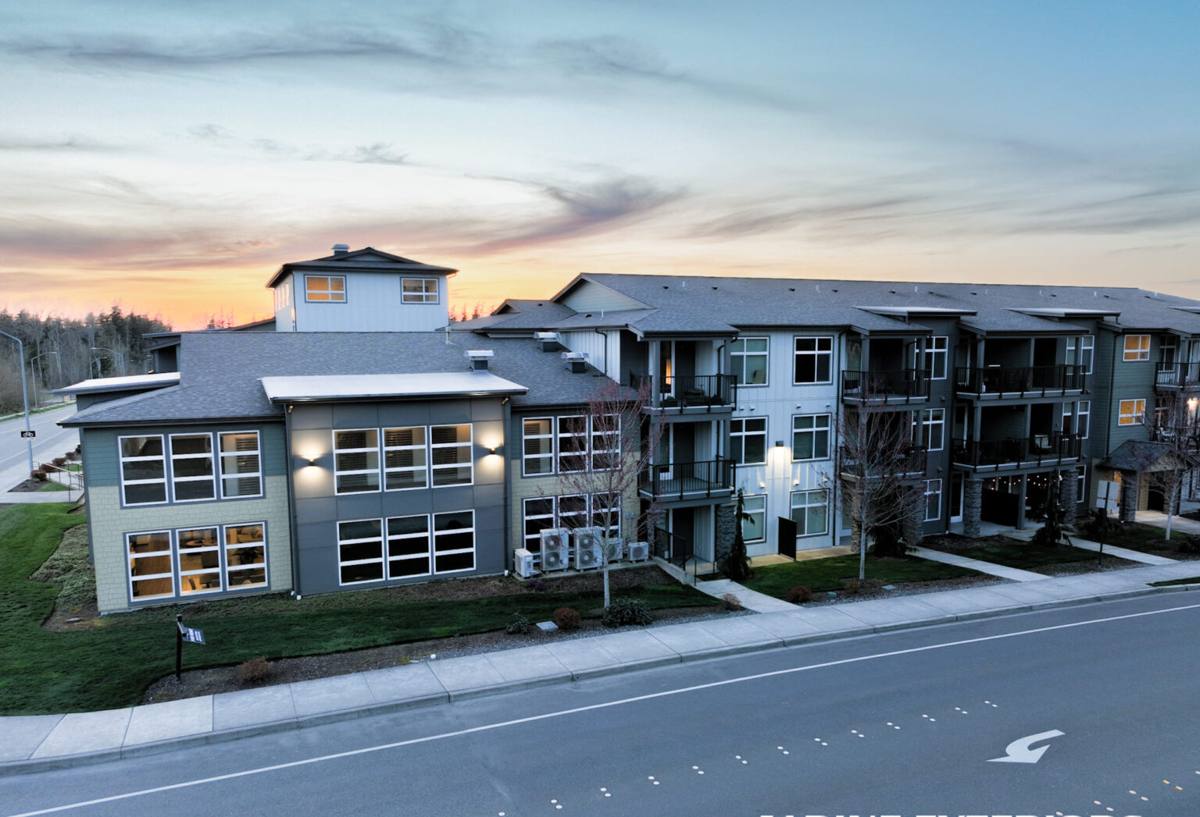
What Bellingham's Climate Actually Does to a Roof
Salt Air and Metal Fasteners
Proximity to the Salish Sea means airborne salt is a real factor for exposed metal — nails, flashing, vent stacks, and any fastener that isn't properly coated or protected. Cheaper roofing hardware corrodes faster here than it would inland, and once fasteners start failing, shingles or panels can loosen well before the roofing material itself is worn out. Correct installation means specifying corrosion-resistant fasteners and flashing metals rated for coastal exposure, not just whatever's cheapest at the supply house.
Driving Rain and Wind-Driven Water
Bellingham storms don't always drop rain straight down — wind off the water pushes it sideways, which means water finds its way under shingle edges, around chimneys, and into valleys that a fair-weather install might treat as low priority. Underlayment quality and lap direction, valley flashing method, and how the roof is sealed at penetrations all matter more here than they would in a calmer climate.
Long Moss Season
Because Whatcom County winters are mild and wet rather than cold and dry, moss and algae get a much longer growing window than they would in a region with a hard freeze to interrupt them. Moss holds moisture against the roofing surface, works its way under shingle tabs, and can shorten the life of an otherwise sound roof if it isn't addressed at installation and managed afterward.
What a Correct New Roof Installation Involves
A new roof isn't just laying down shingles or panels. Every layer underneath does a job, and skipping or shortcutting any of them is where premature leaks and failures come from.
- Tear-off and deck inspection: Old roofing removed down to the deck, with rotted or soft sheathing identified and replaced — not covered over.
- Ice and water shield at vulnerable points: Eaves, valleys, and around penetrations get self-adhering waterproof membrane, not just standard felt.
- Synthetic or felt underlayment across the full deck: Correctly lapped so water sheds downhill at every seam.
- Drip edge at eaves and rakes: Directs water off the roof edge instead of letting it wick back under the fascia.
- Proper flashing at all transitions: Chimneys, skylights, sidewalls, and roof-to-wall junctions are where most leaks originate — these need step flashing and counter-flashing done correctly, not just caulked.
- Ventilation: Balanced intake at the eaves and exhaust at the ridge, sized correctly for the attic volume, so moisture doesn't build up and rot the deck from underneath.
- Roofing material installed to manufacturer spec: Correct nail placement, exposure, and pattern — the difference between a roof that hits its rated lifespan and one that doesn't.
Comparing Roofing Material Options for Bellingham Homes
There's no single "best" roofing material for every house — it depends on the home's style, budget, and how much upkeep the owner wants to take on. Here's an honest look at the main options we install and service in this area.
| Material | Typical Lifespan | Moss/Moisture Behavior | Maintenance Level |
|---|---|---|---|
| Architectural asphalt shingle | 25–30 years | Good with algae-resistant granules; still needs periodic moss removal | Low to moderate |
| Standing seam metal | 40–50+ years | Sheds moisture fast; moss struggles to gain a foothold on smooth panels | Low |
| Cedar shake | 20–30 years with upkeep | Attractive but holds moisture; requires active moss and moisture management | High |
| Composite/synthetic shake | 30–50 years | Doesn't absorb water like real wood; better long-term moisture resistance | Low to moderate |
For most Bellingham homes we recommend architectural asphalt or standing seam metal as the practical middle ground — both perform well against wind-driven rain and hold up against the region's moss pressure, and both come with manufacturer warranties that are meaningful rather than voided by common installation shortcuts.
Signs a Bellingham Roof Needs Replacing, Not Patching
Not every problem roof needs full replacement, but there's a point where repair stops being the cost-effective answer. Some signs we look for during an inspection:
- Granule loss heavy enough that shingles look bald in patches, especially on south and west-facing slopes
- Soft or spongy decking felt underfoot when walking the roof
- Daylight visible through the roof deck from inside the attic
- Repeated moss growth returning within a season or two of cleaning
- Flashing that's rusted, lifted, or was never properly integrated at installation
- Multiple existing layers of roofing already in place (limits repair options and adds weight)
- Interior staining on ceilings or in the attic that tracks back to the roof rather than plumbing or condensation
Our Process for a Bellingham Roof Installation
1. On-Site Inspection and Estimate
We walk the roof and the attic, not just look from the ground. That's the only way to catch deck damage, inadequate ventilation, or flashing problems that a drive-by quote would miss. You get a written estimate that explains what's included, not just a number.
2. Material Selection
We'll walk through the options above based on your home's style, your budget, and how much long-term maintenance you want to take on, including how each option holds up against Bellingham's specific moss and moisture pressure.
3. Tear-Off and Deck Repair
Full removal of old roofing, disposal handled by us, and any deck repair addressed before anything new goes down — never covered over.
4. Installation to Coastal Standards
Ice and water shield at vulnerable areas, correct underlayment lap, drip edge, properly detailed flashing, corrosion-resistant fasteners, and ventilation sized for the attic — the full system, not just the visible layer.
5. Final Walkthrough
We go over the finished roof with you, confirm ventilation and flashing details, and make sure you know what routine maintenance (if any) the material you chose will need going forward.
Why a Crew That Already Works Bellingham Matters
A roofing crew that mostly works drier, inland climates can still do competent work, but they're not thinking about salt exposure on fasteners or moss pressure on a north-facing slope the way a crew that handles it every week does. Being based in Ferndale, our trucks are already in this area regularly — that means we're not learning Whatcom County's climate on your roof, and if a warranty question or a follow-up need comes up years down the line, we're not a two-hour drive away. Local presence also means we have a working sense of which manufacturers back their products properly for coastal Washington conditions and which ones create paperwork headaches when a claim actually needs to be filed.
Maintaining a New Roof in Bellingham's Climate
Even a correctly installed roof benefits from a little ongoing attention in this climate. A short seasonal checklist:
- Clear debris (needles, leaves) from valleys and gutters before fall rains set in
- Have moss treated or removed before it spreads under shingle tabs, rather than after
- Check attic ventilation isn't blocked by insulation at the eaves
- Look at flashing around chimneys and skylights every year or two for lifting or rust
- Trim back overhanging branches that keep sections of the roof shaded and slow to dry
None of this replaces professional installation — it just protects the investment once the roof is on.
Ready for a Straight Answer on Your Bellingham Roof
If you're dealing with an aging roof, active leaks, or just want to know where you stand before moss season does more damage, we're glad to take a look. There's no pressure and no obligation — just a straightforward inspection and an honest estimate from a crew that already knows this area. Use the form below to request your free estimate.