 Ferndale Siding
 Metal Roofing Built for Sudden Valley's Conditions
Sudden Valley sits under heavy tree canopy along Lake Whatcom, which means roofs here deal with a different set of problems than a roof out in the open. Shade holds moisture. Fir and cedar needles pile up in valleys and behind chimneys. Moss gets a head start every fall and doesn't let go until late spring. Add in the driving rain and damp air that move through this part of Whatcom County most of the year, and you've got a roofing environment that punishes anything installed with shortcuts. Metal roofing, done correctly, handles all of that better than most other materials — but "done correctly" is doing a lot of work in that sentence, and it's worth understanding what that actually means before you sign a contract.
This page is about metal roofing specifically for Sudden Valley properties — what the climate demands, what a proper installation includes, and how our process works from first look to final walkthrough.
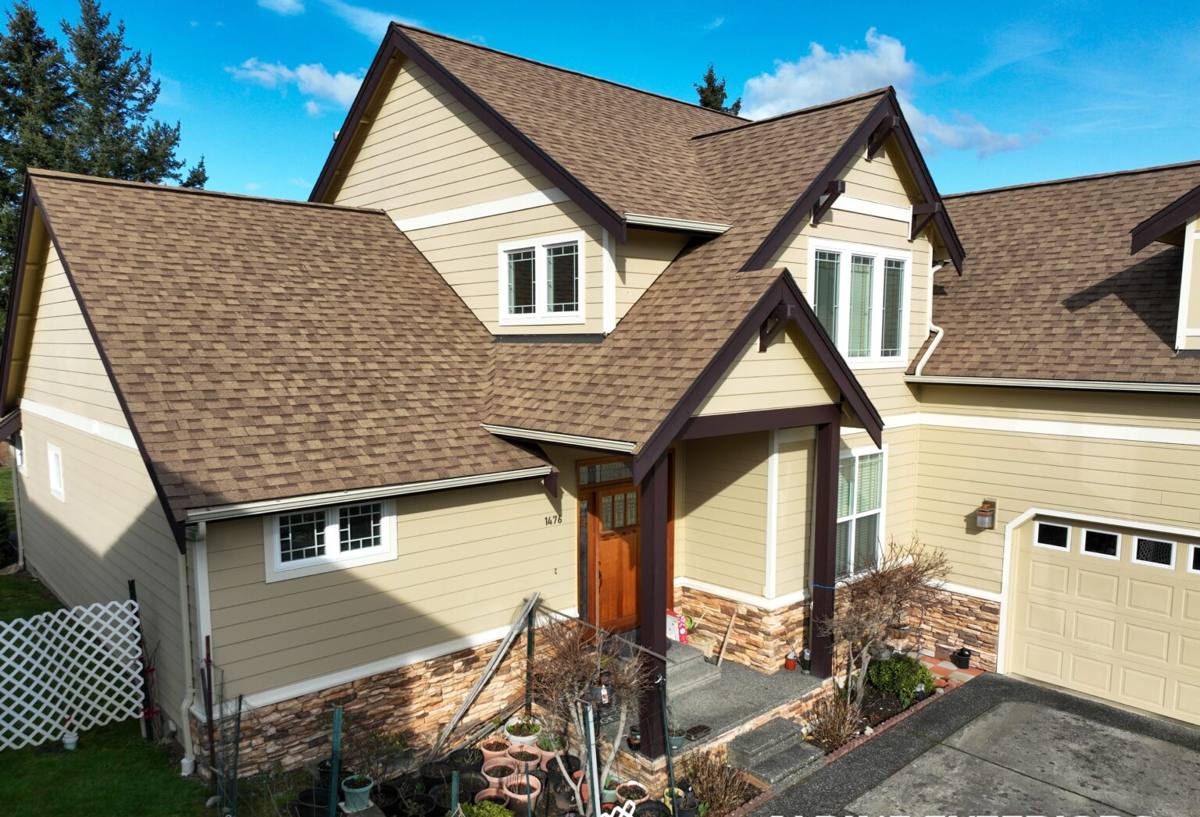
Why Sudden Valley's Climate Is Hard on Roofs
Shade and Moisture
The tree cover that makes Sudden Valley attractive is the same tree cover that keeps roof surfaces wet longer than they'd stay wet on an open lot. North-facing slopes and roof sections shaded by mature conifers can stay damp for days after a storm, which is exactly the condition moss and algae need to establish. On asphalt shingles, that trapped moisture works into the granule layer and shortens the roof's life. Metal doesn't give moss the same foothold, but it still needs a roof system designed to shed water fast and dry out quickly — panel profile, underlayment, and ventilation all matter here.
Needle and Debris Load
Roofs tucked into the trees around Sudden Valley collect needles, cones, and leaf litter in valleys, behind chimneys, and along lower eave lines. That debris holds water against the roof surface and clogs gutters, which backs water up under the roof edge. A metal roof's smooth, low-friction surface sheds this debris far better than shingles or shakes, but flashing details at valleys and penetrations still need to be built to move water past any debris that does collect.
Driving Rain and Regional Moisture
Whatcom County sits close enough to the Salish Sea that the broader region deals with salt-tinged, moisture-heavy air on top of the Pacific Northwest's long wet season. That combination accelerates corrosion on unprotected fasteners and lower-grade metals, and it means every seam, lap, and penetration on a roof has to actually work — not just look finished. A roof that's "close enough" on a dry-climate job can leak within a few seasons out here.
Snow and Cold Snaps
Sudden Valley doesn't see heavy snow every winter, but it does get occasional wet, heavy snow events and hard freezes. Metal roofing sheds snow rather than holding it, which reduces load — but that snow-shedding behavior needs to be planned for at eaves, walkways, and anywhere below a roofline, so it doesn't become its own hazard.
What a Correct Metal Roof Installation Includes
Metal roofing has a reputation for being nearly maintenance-free, and it can be — but only if the installation underneath the panels is right. The panels are the visible part; the details underneath are what actually keep water out for the next 30-50 years.
- Solid deck inspection and repair — any soft, rotted, or delaminated sheathing gets replaced before anything goes down, not covered up
- High-quality synthetic or self-adhered underlayment — a proper moisture barrier matters more under metal in a wet, shaded climate than in a dry one
- Ice-and-water shield at eaves, valleys, and penetrations — the spots most likely to see standing water or ice damming
- Correct fastener type and spacing — matched to the panel system, with corrosion-resistant hardware appropriate for this region's air moisture
- Proper panel overlap and seam sealing — especially on low-slope sections where wind-driven rain can push water uphill under a lap
- Custom-formed flashing at valleys, chimneys, skylights, and wall intersections — pre-bent, generic flashing is where most metal roof leaks actually start
- Ventilation that matches the roof assembly — trapped attic moisture under a metal roof causes condensation problems just as easily as a leak from outside
Choosing a Panel System for a Wooded, Shaded Lot
Not every metal roofing product performs the same way in Sudden Valley's specific conditions. Here's how the common options compare for a shaded, debris-prone, moisture-heavy property:
| Panel Type | How It Handles Moss/Debris | Typical Lifespan | Best Fit |
|---|---|---|---|
| Standing seam (concealed fastener) | Excellent — smooth field, no exposed screws to back out or corrode | 40-60+ years | Steep or complex rooflines, long-term ownership |
| Exposed-fastener panel (5V, corrugated) | Good, but fasteners need periodic inspection over time | 25-40 years | Budget-conscious projects, outbuildings, simpler roof shapes |
| Stone-coated steel | Good shedding, textured surface can trap more needle debris than smooth panel | 40-50 years | Homeowners wanting a shake or tile look with metal durability |
We don't push one product on every job. The right call depends on your roof's slope, how much tree cover you're under, your budget, and how long you plan to own the home. What we won't do is install a system whose maintenance burden doesn't match the site — for example, an exposed-fastener panel on a heavily shaded, hard-to-access roofline where nobody's going to climb up and check fasteners every couple of years.
Finish and Coating Matter As Much As the Metal
The base metal (steel or aluminum) is only part of the story — the paint or coating system is what actually fights UV, moisture, and the mild airborne salt this region sees. A quality baked-on finish (PVDF-type coatings are the long-lasting standard in the industry) will outlast a cheaper polyester finish by decades, especially on a roof that stays damp under tree cover for extended stretches.
Our Process for Sudden Valley Projects
1. On-Site Assessment
We look at your existing roof, deck condition, tree exposure, valley and penetration count, and drainage path before recommending anything. A roof buried under fir canopy gets a different plan than one with a single shaded slope.
2. Honest Scope and Options
You'll get a written estimate that lays out panel options, what's included in flashing and underlayment work, and a realistic cost range — not a lowball number that turns into change orders once the tear-off starts.
3. Tear-Off and Deck Repair
Old roofing comes off, the deck gets inspected, and any rot or soft spots are repaired before underlayment goes down. This step gets skipped by crews trying to move fast; it's the one that determines whether the new roof actually lasts.
4. Installation
Underlayment, flashing, and panels go in following manufacturer specs and the details that matter for this climate — proper laps, sealed penetrations, and ventilation that's actually connected to the rest of the attic system.
5. Final Walkthrough
We walk the roof and the site with you, cover care and inspection basics, and make sure gutters and downspouts are clear and functioning before we call the job done.
Maintenance: What Metal Roofing Still Needs
Metal roofing cuts maintenance dramatically compared to shingles or shakes, but "low-maintenance" isn't "no-maintenance" — especially under tree cover.
- Clear needles and debris from valleys and behind chimneys once or twice a year, more often on heavily wooded lots
- Keep gutters and downspouts clear so water has somewhere to go
- Trim back branches that overhang the roofline to reduce debris load and scuffing
- Have flashing and sealant points checked periodically, particularly after major windstorms
- Watch for any panel fastener backing out on exposed-fastener systems
Why Hiring a Crew That Already Works Sudden Valley Matters
Sudden Valley's private roads, tree-heavy lots, and site access can complicate a roofing project in ways a crew unfamiliar with the community won't anticipate — from staging materials on a tight, wooded driveway to protecting landscaping during tear-off. A contractor who already works this neighborhood and the wider Whatcom County area knows what these roofs are actually up against season to season, not just what a spec sheet says. That familiarity shows up in fewer surprises mid-project and a roof detailed for the conditions it will actually face, not a generic install.
If you're weighing a metal roof for a home in Sudden Valley, we're happy to take a look and walk you through honest options — no pressure, no pushy sales pitch. Use the form below to request a free estimate.