 Ferndale Siding
 Window Installation for Marietta Homes
Marietta sits in the low-lying, waterside stretch of Whatcom County just outside Ferndale, and that location shapes what a window has to survive here. Homes close to the water deal with salt-laden air that works its way into hardware and finishes, driving rain that comes in sideways off Bellingham Bay during winter storms, and a long stretch of the year where moss, moisture, and shade never really let a house dry out. Windows are one of the first places that combination shows up — as fogged glass, soft trim, sticky sashes, or a draft you can feel from across the room.
This page is specifically about window installation for Marietta properties, not a general overview of the trade. If you're weighing whether it's time to replace windows, what a correct install actually involves, and why local experience matters more here than in a lot of other places, this is written for that decision.
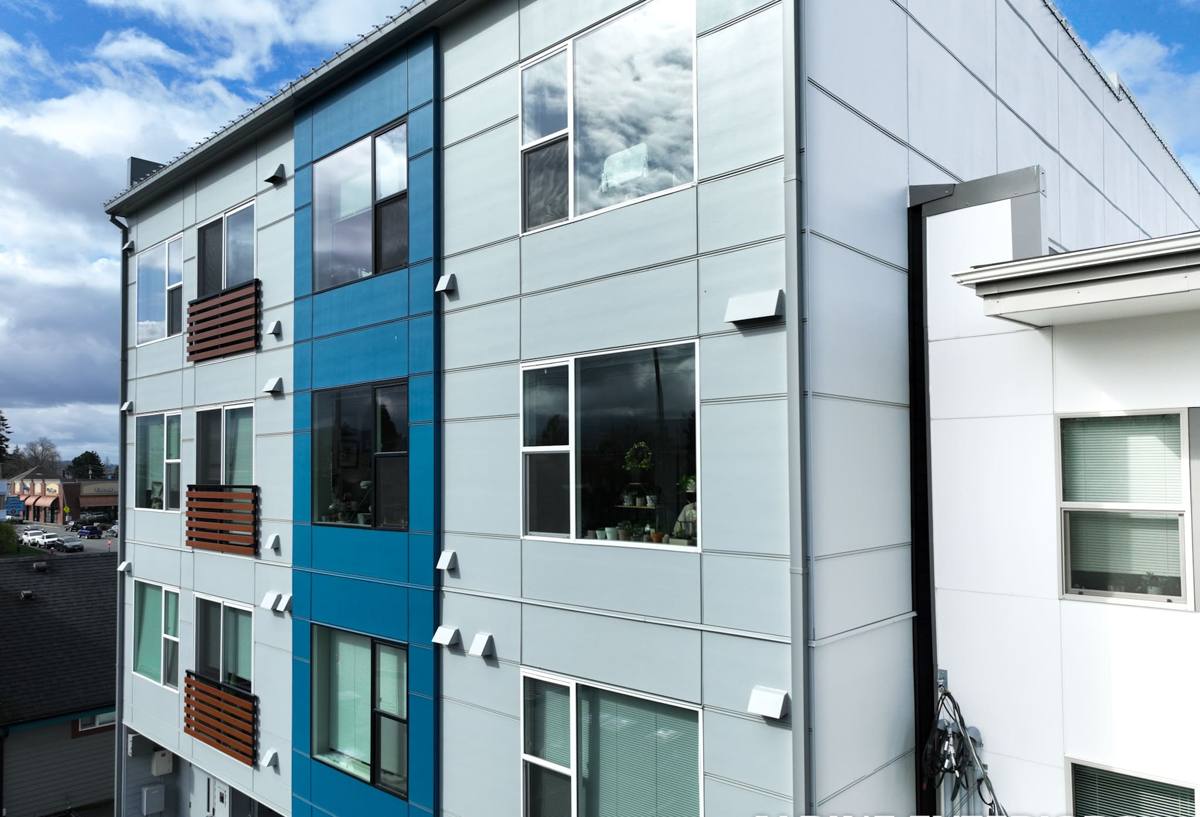
What the Marietta Climate Does to Windows Over Time
A window is a system — frame, glass, seals, flashing, and the wall opening it sits in — and every part of that system is under slow attack in this location.
- Salt air: accelerates corrosion on hardware, hinges, and metal window components, and can dull or degrade some exterior finishes faster than it would inland.
- Driving, wind-blown rain: tests the flashing and sealant details far more than a straight-down rain would. Storms off the bay push water sideways into gaps that would stay dry elsewhere.
- Persistent moisture and shade: keep wood trim and sills damp longer between dry spells, which is exactly the condition rot and moss need to take hold.
- Temperature swings between damp mornings and warmer afternoons: stress seals and can accelerate seal failure in older insulated glass units, showing up as fogging between the panes.
None of that means windows here fail faster by nature — it means the installation details that are optional in a drier, calmer climate are not optional in Marietta. The flashing sequence, the sealant choice, and the fit of the unit in the rough opening carry more of the load.
Signs a Marietta Home Actually Needs Window Work
Not every issue means full replacement. Some are maintenance, some are a sign the window itself has failed. Knowing the difference saves money.
Signs pointing toward repair or resealing
- Drafts around an otherwise clear, unfogged window
- Hardware that's stiff, corroded, or won't latch fully
- Paint or caulk failure on an otherwise sound frame
- Minor moss or algae growth on sills that wipes clean
Signs pointing toward replacement
- Fogging or a milky haze between the panes of double-pane glass (seal failure, not cleanable)
- Soft, spongy, or visibly rotted wood in the frame or sill
- Windows that won't stay open, won't lock, or have visibly warped out of square
- Noticeable cold coming off the glass or frame even when it's closed and latched
- Water staining on interior trim or the wall below the window after storms
What a Correct Window Installation Actually Involves
The window unit itself gets most of the attention when people shop, but in a climate like this one, the install is what determines whether that window performs for the next 20-plus years or starts leaking in five.
The opening comes first
Before a new window goes in, the rough opening needs to be checked for existing water damage, rot, or soft framing — especially on older Marietta homes where a window may have been leaking slowly for years without an obvious interior sign. Installing a new window into a compromised opening just hides the problem behind new trim.
Flashing and drainage
This is the detail that matters most in a driving-rain climate. Proper flashing creates a shingled, overlapping path that sheds water down and out of the wall, never into it. A window sealed only with caulk and no flashing plane behind it is a leak waiting for the right storm.
Air and moisture sealing
Between the window frame and the rough opening, the gap needs to be sealed for both air and moisture — typically with a combination of backer rod, sealant, and appropriate flashing tape — without trapping water that gets past the outer defenses. A house that can't dry out if a small amount of moisture does get in is more of a long-term problem than the moisture itself.
Leveling, shimming, and fastening
A window that's out of square binds, won't seal against its own weatherstripping, and stresses the glass unit. Proper shimming and fastening according to the manufacturer's instructions is what keeps the window operating smoothly and keeps the warranty valid.
Interior and exterior finish work
Trim, sill pans, and caulking lines are the last line of defense and the first thing you'll notice if they're done poorly. Clean, consistent finish work is also usually a decent proxy for how careful the crew was with the parts you can't see.
Choosing Window Materials for a Waterside Climate
There's no single "best" window material — the right choice depends on budget, maintenance appetite, and how exposed a given wall is to wind-driven rain. Here's how the common options hold up under Marietta conditions specifically.
| Frame Material | Moisture & Salt Air Behavior | Maintenance | Typical Trade-Off |
|---|---|---|---|
| Vinyl | Doesn't rot or corrode; performs well near salt air | Low — occasional cleaning | Frame color/style options are more limited than wood |
| Fiberglass | Very stable in moisture and temperature swings; strong seal performance | Low | Higher upfront cost than vinyl |
| Wood | Handsome, but needs a sound finish system to resist this area's moisture and moss exposure | Highest — periodic refinishing | Best suited to protected elevations, not full weather exposure |
| Wood-clad (wood interior, metal/vinyl exterior) | Exterior cladding shields the wood from direct weather | Moderate | Cladding seams and corners need careful detailing to stay watertight |
| Aluminum | Strong but conducts heat/cold and is more prone to condensation and corrosion near salt air over time | Moderate | Less common now for standard residential glazing here |
For most Marietta homes with meaningful wind and rain exposure, vinyl and fiberglass frames tend to hold up with the least ongoing maintenance. Solid wood still has its place on protected elevations or where matching an existing architectural style matters more than minimizing upkeep — we'll walk through where that trade-off makes sense on your specific house rather than applying one answer to every wall.
Glass packages worth asking about
Frame material gets the attention, but the glass package does a lot of the work. Double-pane, Low-E coated glass with an argon or krypton gas fill is the standard baseline for this region's mix of cool, wet winters and mild summers. Homes on exposed elevations that take direct wind and rain may also benefit from impact-resistant or laminated glass options, mainly for durability against wind-driven debris rather than a storm-glass requirement.
Our Installation Process
- On-site assessment: We look at the existing windows, the condition of the rough openings, and any signs of past water intrusion before recommending anything.
- Honest scope and options: You get a clear picture of what's a repair, what's a replacement, and what materials fit the house and the budget — no upselling to the most expensive option by default.
- Opening prep: Any rot, damaged sheathing, or compromised flashing found during removal gets addressed before the new window goes in, not covered up.
- Install to manufacturer spec: Flashing, sealing, shimming, and fastening are done to the window manufacturer's installation instructions, which is also what keeps their warranty intact.
- Finish and walkthrough: Interior and exterior trim finished cleanly, every window operated and checked before we call it done.
Why It Matters That We Already Work in Marietta
A window installer who mainly works inland doesn't necessarily think about flashing details or sealant choice the same way — because they don't have to, most of the time. Working regularly around Ferndale and the waterside parts of Whatcom County means we're used to building in the margin this climate demands: the extra attention to flashing sequence, the frame materials that hold up to salt air, and the framing checks that catch a slow leak before it becomes a rot problem behind the wall.
It also means we're not guessing at how a house in this area is likely to have been built or previously repaired. Older homes in and around Marietta often have a mix of original windows and past retrofit work, and knowing what to expect when we open up a wall saves time and avoids surprises mid-project.
Common Mistakes We See From Rushed or Out-of-Area Installs
- Caulk used as the only water defense, with no flashing plane behind it
- New windows installed into openings with existing rot that was never addressed
- Wrong sealant type for the substrate, which fails and lets water back in within a season or two
- Units that are out of square or under/over-shimmed, causing premature seal wear
- Trim and finish work that hides gaps instead of closing them properly
What to Ask Before Hiring a Window Installer in This Area
- Do you check the rough opening and flashing, or just swap the window unit?
- What's your plan if you find rot or water damage once the old window is out?
- Which frame materials do you recommend for a wall that takes direct wind and rain, and why?
- Will the install follow the manufacturer's instructions closely enough to keep the warranty valid?
- Can you walk me through your flashing and sealing sequence in plain terms?
- Do you have experience working on homes in this specific area, near the water?
Cost Factors Worth Understanding
Every quote should be specific to your home, but a few factors consistently move the price on Marietta window projects: the number of openings, whether any framing repair is needed once old windows come out, frame material, glass package, and access (second-story or hard-to-reach openings take more time). A house with sound framing and standard-size openings will cost less than one where hidden rot needs to be addressed first — which is exactly why a proper on-site look matters more than a phone quote.
If your windows are drafty, fogged, sticking, or you're just planning ahead for a home near the water, we're glad to take a look and give you a straightforward, no-pressure estimate — no guesswork, no pushy upsell, just an honest read on what your home actually needs. Use the form below to get started.