 Ferndale Siding
 Storm Damage Roof Repair for Lummi Nation Homes
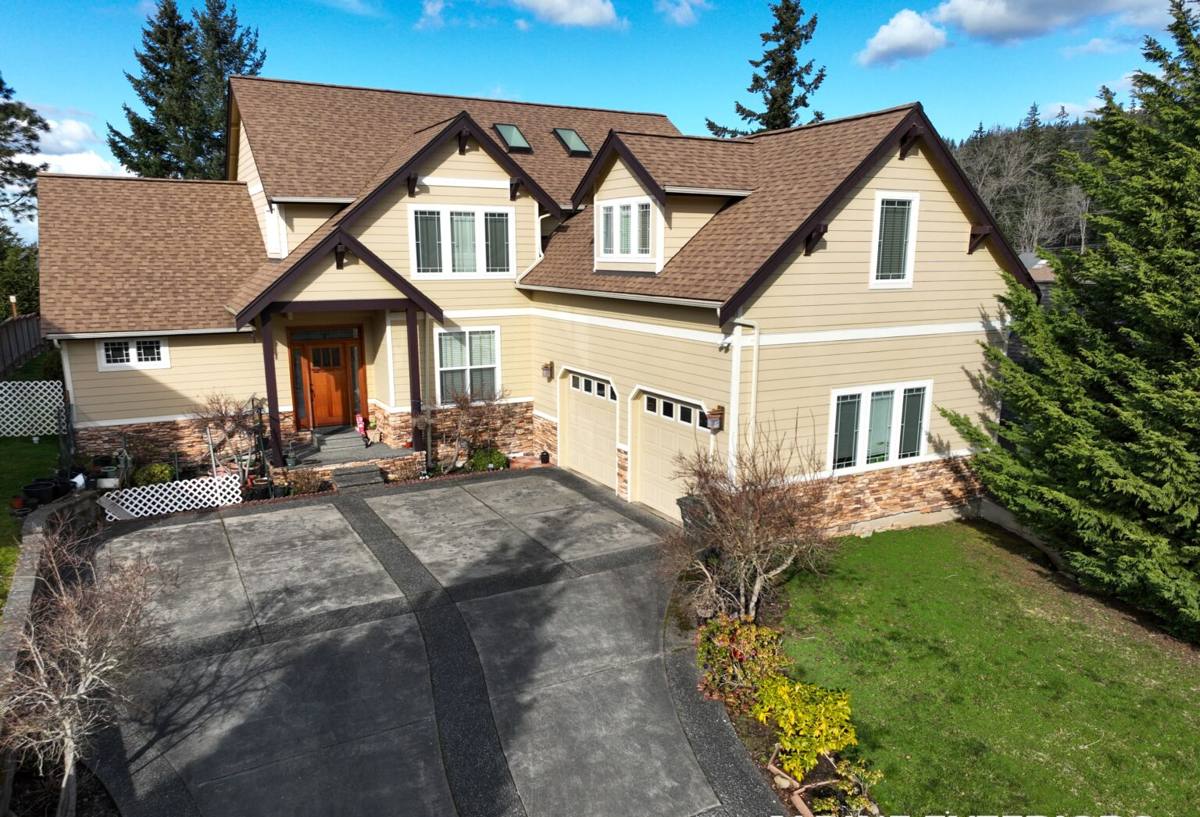
Homes on and around the Lummi Nation reservation sit right where Bellingham Bay meets the open water — which means they take on a mix of weather that inland Whatcom County homes simply don't deal with. Salt-laden wind, driving rain off the Strait, and long stretches of gray, wet weather all work on a roof at the same time. When a storm rolls through and does real damage, the repair needs to account for all of that, not just patch the visible hole and move on.
This page covers what storm damage roof repair actually looks like for homes in this area — what causes it, what a correct repair involves, and how we handle the job from the first call to the final inspection.
Why Lummi Nation Roofs Take a Different Kind of Beating
Salt Air and Metal Fatigue
Proximity to saltwater accelerates corrosion on anything metal on your roof — flashing, fasteners, vents, gutters, and metal roofing panels themselves. A fastener or flashing seam that would last decades a few miles inland can start showing rust and pinholing years sooner out here. After a storm, we don't just look at shingles or panels; we check the metal components too, because that's often where a small storm event turns into a slow leak nobody notices until it's already inside the attic.
Driving Rain and Wind-Driven Water
Storms coming off the water tend to bring rain sideways, not straight down. Wind-driven rain finds weaknesses that a normal rainstorm never would — lifted shingle tabs, undersized flashing laps, nail pops, and gaps around penetrations like vent pipes and chimneys. A repair that only addresses the obvious damage and ignores how water moves under wind pressure is a repair that fails again in the next storm.
Moss, Shade, and the Long Wet Season
Whatcom County's wet season runs long, and many lots in and around Lummi Nation have mature tree cover that keeps roof sections shaded and damp for extended stretches. That combination is exactly what moss and algae need to take hold. Moss growth on its own isn't storm damage, but it matters here because it holds moisture against roofing material, lifts shingle edges over time, and can hide storm damage underneath it until a repair crew pulls it back and takes a real look.
What Counts as Storm Damage (And What Doesn't)
One of the most common questions we get after a wind or rain event is simple: is this actually storm damage, or is my roof just getting old? The distinction matters for both the repair approach and, often, for insurance. Here's a general breakdown of how the two differ:
| Signs of Storm Damage | Signs of Ordinary Wear and Age |
|---|---|
| Shingles torn, creased, or missing after a specific wind event | Shingle edges curling gradually across the whole roof over years |
| Fresh dents or displaced flashing after hail or falling debris | Granule loss that's even and widespread, not concentrated |
| A new leak that starts right after a storm | A slow-developing stain that's been there a while |
| Cracked or lifted vent boots and pipe flashing after high wind | Sealant that's simply dried out and cracked with age |
| Debris impact marks, punctures, or gouges | Moss and algae buildup accumulated over multiple seasons |
In practice, most roofs show a mix of both after several years, especially in this climate. Part of an honest assessment is telling you plainly which repairs are storm-related and which are maintenance you'll want to plan for regardless.
What a Correct Storm Damage Repair Actually Involves
Assessment First, Not Assumptions
A rushed repair after a storm usually means someone walked the roof, found the obvious problem, patched it, and left. The issue is that wind and water damage rarely stay contained to one spot. We check the full roof plane, the flashing at every penetration and transition, the gutters and their attachment points, and the attic from the inside where accessible, because interior staining or damp insulation tells you things the exterior alone won't.
Matching Materials, Not Just Covering the Gap
Whatever material is on your roof now — asphalt composition shingle, metal panel, or another system — the repair should use compatible materials, not whatever is on the truck. Mismatched shingle profiles, mixed metal types that can corrode against each other, or the wrong fastener can create a new failure point right next to the one you just fixed.
Flashing and Sealing Details
Given how much wind-driven rain this area sees, flashing detail work is where a repair either holds or doesn't. That means proper step flashing at walls and chimneys, correctly lapped roof-to-wall transitions, and vent boots that are actually sealed to the pipe and the roof deck, not just caulked over. This is also where salt-air corrosion resistance matters most — we favor fasteners and flashing materials suited to a coastal environment rather than standard-grade hardware that will start rusting within a few seasons.
Deck and Structure Check
If water got past the roofing material, it may have reached the sheathing underneath. Soft spots, delamination, or rot in the deck won't be fixed by replacing shingles on top of them. Any storm repair we do includes checking the deck in the affected area and addressing it before new material goes back on.
Our Process, Start to Finish
- Initial call and photos: If you can safely get a phone photo of visible damage, that helps us understand scope before we're even on site.
- On-site inspection: We walk the roof, check flashing and penetrations, and look at the attic interior when accessible.
- Written assessment: You get a plain explanation of what's storm damage, what's pre-existing wear, and what the repair involves — no surprise add-ons sprung on you mid-job.
- Temporary protection if needed: If there's an active leak or exposed decking, we can install temporary weatherproofing to stop further water intrusion while the full repair is scheduled.
- Repair work: Material removal, deck check, flashing and underlayment work, and installation of matched roofing material.
- Final walkthrough: We show you what was done and what to watch for going forward, particularly around moss and drainage given the local climate.
Insurance Claims and Storm Damage
Many storm damage repairs go through a homeowner's insurance claim. We're a roofing contractor, not an insurance adjuster or attorney, so we won't promise how a specific claim will be handled or guarantee coverage outcomes. What we can do is document damage clearly with photos and a written assessment, explain in plain terms what we found and why we believe it's storm-related versus wear, and provide that documentation in a form that's useful if you choose to file a claim. Getting an honest, unhurried assessment before you talk to your insurer tends to make that conversation easier.
Checklist: Signs Your Roof Needs a Storm Damage Inspection
- Missing, torn, or visibly lifted shingles after a wind event
- New ceiling stains or damp spots that appeared after a storm
- Granules collecting in gutters or at downspout outlets
- Bent, loose, or missing flashing around chimneys, vents, or skylights
- Sagging or soft-feeling roof sections when viewed from the attic
- Debris — branches, needles, or larger material — still resting on the roof
- Visible dents on metal flashing, vents, or gutters after hail or heavy debris
- Gutters pulling away from the fascia or overflowing during rain
If more than one or two of these apply, it's worth having someone look before the next system moves through.
Why Working With a Crew That Already Knows This Area Matters
Storm damage repair isn't a one-size-fits-all trade. A crew that mostly works drier, inland roofs may not think twice about a standard-grade fastener or a shortcut on flashing laps — and in most places, that's fine. Out here, those shortcuts show up again within a season or two because of the salt air, the wind-driven rain, and the moss that thrives in the shade and moisture. Knowing the specific failure patterns common to Lummi Nation and the surrounding Ferndale coastline means we're not learning on your roof — we're applying what consistently holds up in this exact environment.
It also means realistic expectations. We're straightforward about what's genuinely storm damage versus what's the natural result of years near the water, and we won't recommend replacing a roof that only needs a targeted repair, or patch something that actually needs more attention.
Get a Free, No-Pressure Estimate
If a recent storm left you with damage — or you're just not sure whether what you're seeing is storm-related or ordinary wear — we're happy to take a look. Fill out the form below for a free, no-pressure estimate, and we'll give you a straight answer about what's going on with your roof and what it would take to fix it right.