 Ferndale Siding
 Windows Built for Kendall's Climate, Not a Showroom
Kendall sits inland from the coast, closer to the foothills than the water, but it still gets the full Whatcom County weather package: long stretches of damp fall and winter weather, humidity that lingers in the air even on dry-looking days, and enough shaded, tree-covered lots that moss and mildew get a real foothold on anything that stays wet too long. Windows here don't fail because of one big storm. They fail slowly, from years of moisture working into gaps that were never sealed right the first time.
"Custom" windows in this context doesn't mean fancy shapes or premium trim packages, though we do those too. It means windows sized, flashed, and installed to fit the actual opening in your actual wall, on a home that's been settling and shifting for however many decades it's stood in this climate. Stock-size replacement windows shoved into an out-of-square opening are one of the most common sources of the leaks and drafts we get called out to fix.
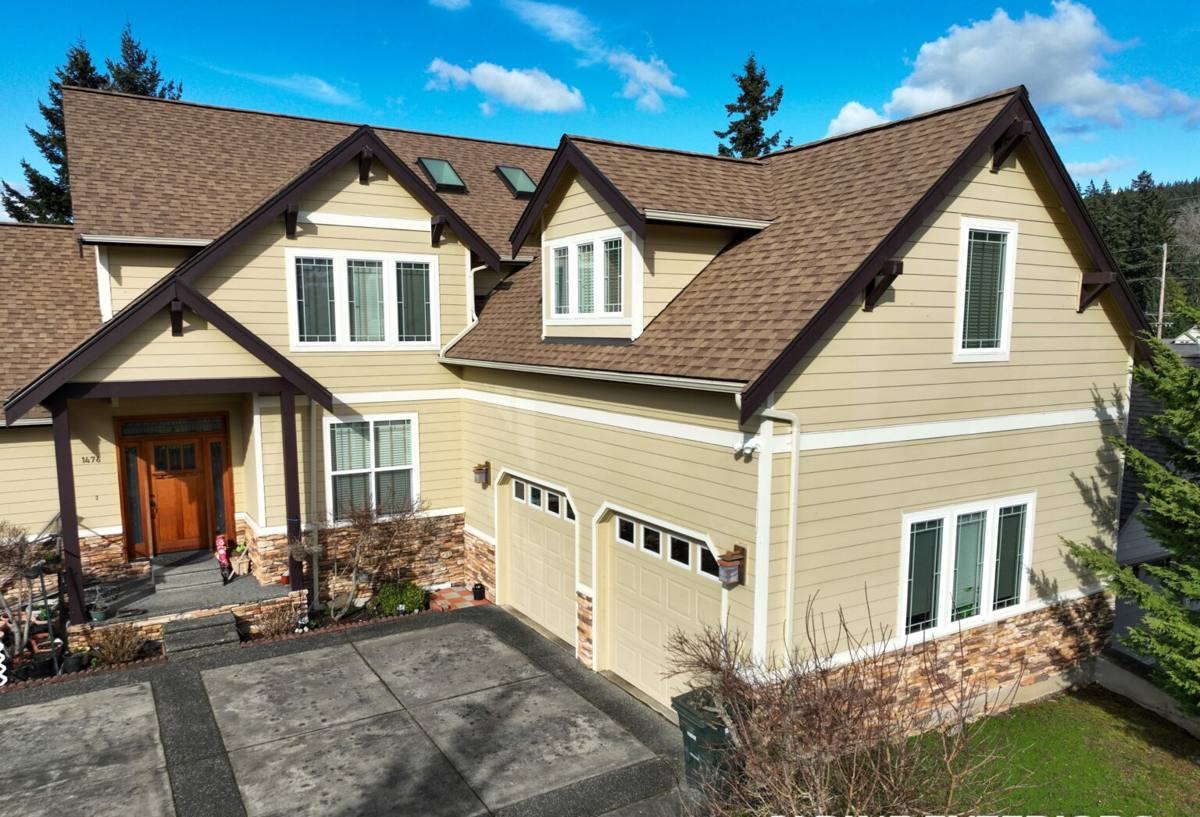
Signs Your Current Windows Are Losing the Fight
Most homeowners don't think about their windows until something is obviously wrong, but the early signs show up well before a window fails outright. Worth checking for:
- Fogging or a permanent haze between panes of double-glazed glass (a sign the seal has failed)
- Soft or discolored wood, or bubbling paint, on the interior or exterior sill and trim
- Visible black or green growth on the frame or in the corners of the glass, especially on north-facing windows
- A draft you can feel with your hand near the frame on a windy day
- Windows that stick, won't stay open, or take real effort to latch
- A noticeable jump in heating costs without any other explanation
Any one of these on its own might not mean much. Two or three together, especially on windows over 15-20 years old, usually means the seals, flashing, or frame material have reached the end of what they can handle.
What Actually Causes Window Failure in This Area
Moisture, Not Cold
Whatcom County winters aren't brutally cold, but they are wet for long stretches. Water is patient. Whenever flashing is skipped, sealant is applied over dirty or damp surfaces, or a window is caulked shut instead of properly integrated with the wall's water-resistive barrier, moisture finds a way behind the frame. Once it's in the wall cavity, it does damage you can't see until the trim is soft or the drywall is stained.
Sun and UV Cycling
Kendall's mix of sun breaks and rain means window materials go through repeated wet-dry and warm-cool cycles. Cheaper vinyl frames and lower-grade sealants degrade faster under that cycling than they would in a more stable climate. This is one reason we're selective about which frame materials and sealant systems we use on this side of the state.
Bad Original Installation
A surprising number of the "window problems" we're called to look at aren't really window problems. They're installation problems on windows that were otherwise fine. Wrong flashing sequence, missing sill pan, foam gap-filled instead of properly insulated and air-sealed - these show up as leaks or drafts years later, long after the original installer is gone.
Frame and Glass Options: An Honest Comparison
There's no single "best" window material for every home. It depends on your budget, your home's age and style, and how much upkeep you're willing to do. Here's how the common options actually compare for a home in this climate:
| Material | Moisture Performance | Maintenance | Typical Lifespan |
|---|---|---|---|
| Vinyl (quality grade) | Good - won't rot, minimal expansion issues | Low - occasional cleaning | 20-30 years |
| Fiberglass | Excellent - very stable in wet/dry cycling | Low | 30-40+ years |
| Wood (clad exterior) | Good exterior, needs interior wood cared for | Moderate - interior finish upkeep | 25-40 years with care |
| Aluminum | Prone to condensation without thermal breaks | Low | 20-30 years |
For most Kendall homes, we lean toward quality vinyl or fiberglass frames with a warm-edge spacer and double or triple-pane glass. Solid wood-interior windows can look great on older or craftsman-style homes, but we're upfront that they ask more of the homeowner in terms of maintenance, and we'll say so before you buy rather than after.
Glass Package Considerations
Beyond frame material, the glass package matters as much or more:
- Low-E coating - reduces heat loss in winter and heat gain in summer; standard on nearly everything we install
- Argon or krypton gas fill - improves insulation value between panes
- Double vs. triple pane - triple pane adds cost and weight but pays off on north- or west-facing walls that take the worst of the wind and rain
- Tempered glass - required by code near doors, low sills, and wet areas; worth confirming on any quote
How We Approach a Custom Window Job
- On-site measurement and assessment. We check the opening itself, not just the old window - is it square, is there existing water damage, what's the wall assembly behind the trim.
- Material and glass selection. We walk through frame and glass options against your budget and the specific exposure of that wall (a shaded north wall and a sun-exposed south wall don't need the same spec).
- Removal and opening prep. Old windows come out carefully so we can inspect the sill and framing underneath before anything new goes in. Any rot or damage gets addressed here, not covered up.
- Flashing and sill pan installation. This is the step that determines whether the window leaks in five years. We integrate flashing with the existing water-resistive barrier in the correct shingle-lap order so water is always directed out, never in.
- Window set, shim, and fasten. The unit is leveled, plumbed, and squared before it's permanently fastened - a window installed slightly out of square will bind, leak, or both over time.
- Insulation and air sealing. Gaps get properly insulated, not just foam-blasted, so you don't lose the R-value the new window is supposed to give you.
- Interior and exterior trim and sealant. Final sealant goes down over clean, dry surfaces with the right product for the substrate - this is a small step that gets rushed too often on other jobs.
- Walkthrough. We test operation, check the seal, and walk you through anything specific to your new windows before we consider the job done.
What Drives Cost on a Custom Window Job
| Factor | Why It Matters |
|---|---|
| Frame material and glass package | Fiberglass and triple-pane cost more upfront but less over the window's life |
| Opening condition | Rot or damage found behind old trim adds repair scope before the new window goes in |
| Number and size of openings | Larger picture windows and full-house jobs get better per-unit pricing than one-offs |
| Access and story height | Second-story or hard-to-reach windows take more labor and equipment |
| Trim and finish work | Matching existing exterior trim profiles or interior wood finish adds time |
We give straightforward quotes broken down by these factors so you can see where the money is going, rather than a single flat number with no explanation.
Maintaining Your Windows Once They're In
Even a well-installed window lasts longer with basic upkeep. A simple annual routine goes a long way in this climate:
- Wipe down frames and clear window tracks of debris and moss buildup, especially in fall
- Check exterior caulk lines each spring for cracking or separation
- Keep gutters and downspouts clear so water isn't sheeting down over window heads
- Trim back shrubs or trees that keep a window shaded and damp longer than the rest of the house
- Operate each window through its full range a few times a year so hardware doesn't seize up
Why a Crew That Already Works Kendall Makes a Difference
Window installation isn't complicated in theory, but it's unforgiving of shortcuts, and a lot of that unforgiveness is climate-specific. A crew used to installing in a drier region can do everything "by the book" and still leave a house vulnerable to the wet-dry cycling and sustained damp weather that Whatcom County homes deal with every year. We work this area regularly, which means we've already seen how different wall assemblies, siding types, and window ages in and around Kendall respond to this weather - and we build the install around that, not around a generic national spec sheet.
It also means we're not disappearing after the invoice is paid. If a question comes up two years later about how a window is performing, you're calling a crew that's still working in your neighborhood, not chasing down a company that did one job and moved on.
If your windows are drafty, fogged, hard to operate, or you're planning a renovation that includes new openings, we're happy to take a look and give you an honest read on what your home actually needs. Fill out the form below for a free, no-pressure estimate.