 Ferndale Siding
 Decks Built for Sudden Valley's Conditions, Not a Generic Climate
Sudden Valley sits in the kind of setting that makes a deck genuinely worth having — mature trees, lake proximity, and a slower pace than in-town living. It's also a setting that's harder on outdoor structures than most homeowners realize until something starts failing early. Between the marine-influenced air that moves through this part of Whatcom County, the driving rain that comes with fall and winter storms, and tree cover heavy enough to keep parts of a lot shaded and damp for most of the year, a deck here takes on stress that a deck in a drier, more open part of the state simply doesn't.
None of that means a deck in this area needs to be over-built or expensive. It means the details that don't show up in a quick look — flashing, fastener choice, drainage, ventilation under the frame — have to be right the first time, because moisture problems in this climate don't announce themselves. They show up as soft spots, rust streaks, or a slick green film two or three years later.
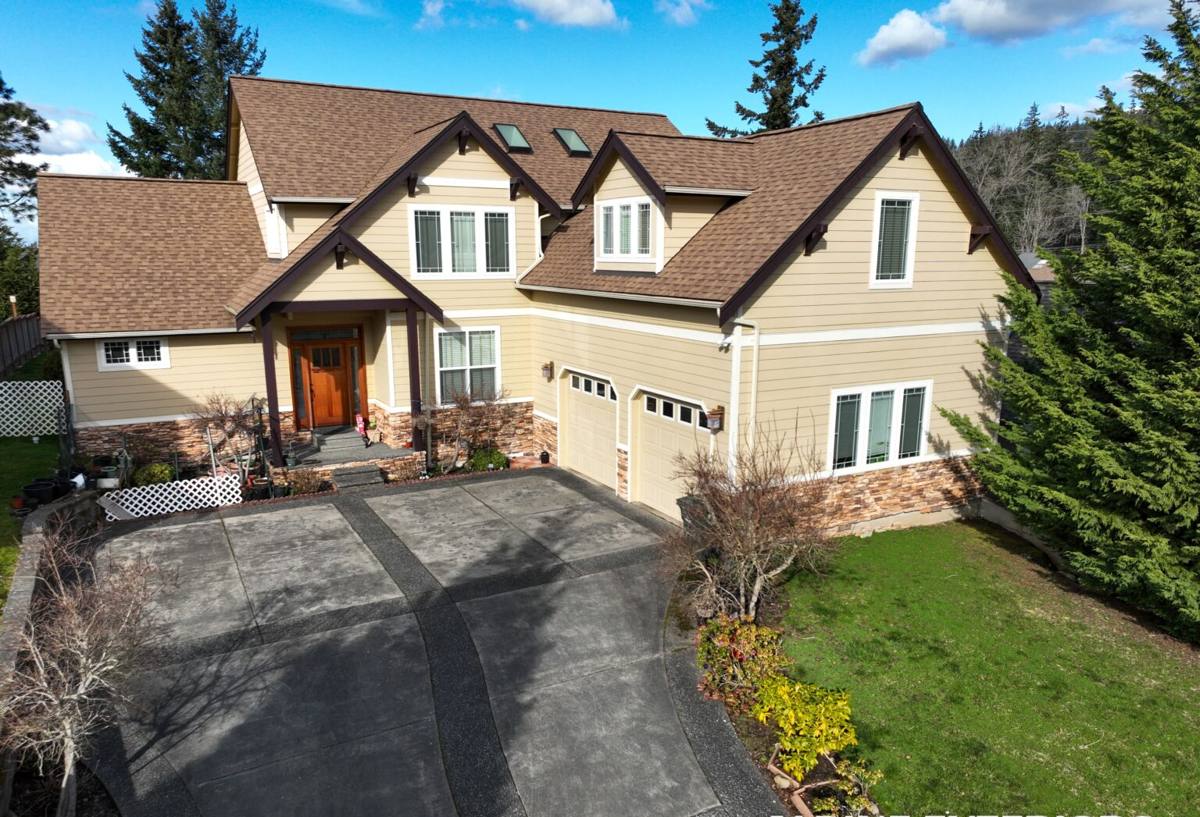
What Salt-Tinged Air, Driving Rain, and Shade Actually Do to a Deck
Marine Air and Metal Fasteners
Homes in the greater Ferndale area sit close enough to Bellingham Bay and the Strait that airborne salt and moisture reach further inland than people expect, especially on days with wind off the water. Standard fasteners and hardware that would hold up fine in a dry inland climate can start showing rust streaks down the decking within a few seasons. Once a fastener starts corroding, it loses holding strength quietly — the deck can look fine on the surface while the connection underneath weakens.
Driving Rain and Ledger Connections
The point where a deck attaches to the house — the ledger board — is the single most common source of long-term rot in this region, because wind-driven rain pushes water sideways and upward into gaps that a calm-weather build never accounts for. If that connection isn't flashed correctly, water gets behind the ledger and into the house's rim joist, where it can sit and do damage that isn't visible from the deck side at all.
Shade, Moss, and a Long Wet Season
Lake-adjacent, tree-covered lots like the ones common around Sudden Valley hold moisture longer than open, sunny sites. Combined with a wet season that runs long here, that shade turns into a moss and algae problem on decking surfaces — not just a cosmetic issue, but a slip hazard and a sign that the wood or composite surface is staying damp longer than it should. A deck built without airflow underneath it, or with boards spaced too tight, will grow moss faster no matter what material it's made from.
Decking Material Options for This Climate
There isn't one universally "correct" decking material — it depends on budget, how much upkeep you want to do, and how shaded the site is. Here's how the common options actually perform under Sudden Valley's conditions:
| Material | Moisture & Moss Behavior | Maintenance | Typical Lifespan |
|---|---|---|---|
| Pressure-treated fir/hem-fir | Sheds water well if gapped and ventilated properly; can hold moss in shaded spots without regular cleaning | Periodic cleaning, re-sealing every 1-2 years | 15-20+ years with upkeep |
| Cedar | Naturally moisture- and insect-resistant, but still needs airflow underneath; can gray or streak without finish | Sealing or staining every 1-2 years to keep appearance and resist moisture | 20-25 years with upkeep |
| Composite decking | Won't rot, but can still grow surface algae and moss in heavy shade if not cleaned | Occasional washing; no sealing or staining required | 25-30+ years, varies by brand and product line |
On heavily shaded, lake-adjacent lots, we lean toward recommending either composite or a well-sealed cedar deck, simply because the maintenance burden of bare pressure-treated wood in constant shade is higher than most owners want to keep up with. That said, a properly built and maintained pressure-treated deck performs fine here too — the framing and drainage details matter more than the species of wood.
What a Correctly Built Deck Involves in This Climate
A deck that's going to hold up on a shaded, moisture-prone Sudden Valley lot needs a handful of details done right, every time, not just on the parts that show:
- Self-adhering flashing tape on top of every joist, protecting the wood from the fastener holes down
- Proper ledger flashing where the deck meets the house, with a drainage gap or flashing pan behind it
- Hot-dip galvanized or stainless steel fasteners and hardware rated for corrosive, coastal-influenced environments
- Post bases and footings that keep wood off grade and away from standing water
- Board spacing and joist layout that allow real airflow underneath the deck, not just a gap for looks
- Stair stringers and railing posts anchored with hardware matched to the same corrosion standard as the deck itself
- Drainage grading beneath the deck so water moves away from the house rather than pooling under the structure
Skip any one of these and the deck can still look good for a couple of years — the problems this climate causes are slow ones, which is exactly why so many decks in wooded, damp settings need major repair well before they should.
How Our Process Works for Sudden Valley Projects
We start with an on-site visit rather than a phone estimate, because slope, tree cover, and how close the build site sits to the lake all change what the deck needs. From there:
- Site assessment — we look at grade, drainage, existing structure (if we're replacing a deck), and how much shade the site holds through the day.
- Design and material selection — sized to how the deck will actually be used, with material recommendations based on how much shade and moisture exposure the specific spot gets.
- Permitting — we handle the Whatcom County permit application and any structural details it requires, so you're not the one chasing paperwork.
- Build — framing, flashing, and fastening done to the standards above, not the minimum a code inspection requires.
- Final walkthrough — we go over the finished deck with you, including what maintenance it will need and roughly when.
We schedule builds around this area's weather rather than fighting it — there are stretches of the year here where pouring footings or fastening flashing tape in the middle of driving rain just doesn't produce a good result, no matter how careful the crew is.
Permits, Site Access, and Community Considerations
Most decks attached to a house, and many freestanding ones above a certain height, require a permit through Whatcom County. We handle that process as part of the job rather than leaving it for the homeowner to sort out. If your property is part of a planned community or has an association with its own design guidelines — which some neighborhoods in the Sudden Valley area do — it's worth checking those requirements before final plans are drawn up, and we're glad to work around whatever approval process applies to your specific property.
Site access is also worth thinking about early. Wooded, sloped lots near the lake sometimes mean equipment and material staging take more planning than a flat in-town lot would. We account for that during the site visit so there are no surprises once the crew shows up.
Maintaining a Deck Through a Long Wet Season
Whatever material you choose, a deck in this area needs a maintenance rhythm that matches the climate, not a one-size-fits-all schedule:
| Task | Frequency | Why It Matters Here |
|---|---|---|
| Sweep debris and standing leaves off decking | Monthly during fall | Wet leaves trap moisture against the surface and speed up moss growth |
| Wash surface to remove algae/moss film | 1-2 times per year, more in heavy shade | Prevents slip hazards and keeps moisture from soaking into wood grain |
| Inspect and re-seal wood decking | Every 1-2 years | Marine air and rain break down finish faster than in drier climates |
| Check fasteners and hardware for rust | Annually | Corrosion can start before it's visible on the deck surface |
| Clear debris from underneath the deck | Annually | Keeps airflow working and prevents moisture from pooling against framing |
Staying ahead of this schedule is a lot cheaper than catching a rot or corrosion problem after it's already spread into the framing.
Why a Crew That Already Works Sudden Valley Matters
Deck building isn't complicated in theory, but building one that holds up in a shaded, lake-adjacent, marine-air climate takes a different set of habits than building one in a dry, open location. A crew that regularly works this specific area already knows which fastener grade holds up, how to flash a ledger against wind-driven rain, and how much airflow a deck needs underneath it before moss becomes a problem instead of a minor annoyance. That's not something you can fully verify from a bid sheet — it comes from having built and later serviced decks in exactly these conditions.
It also means fewer surprises during permitting and site work, since local experience means we've already worked through Whatcom County's process and the kind of site access challenges that come with wooded, sloped lots near the lake.
If you're planning a new deck or replacing one that's showing its age, we're happy to take a look and talk through what makes sense for your specific lot. Use the form below to request a free, no-pressure estimate.