 Ferndale Siding
 Roofing Built for Sudden Valley's Conditions
Sudden Valley sits in a stretch of Whatcom County where roofs work harder than most people realize. Homes here deal with a steady mix of moisture off the water, wind-driven rain that finds every weak seam, and long stretches of gray, overcast weather that keep roof surfaces damp for days at a time. Add in tree cover and shaded north-facing slopes, and you have ideal conditions for moss, algae staining, and slow-moving leaks that don't show up until they've already damaged the decking underneath. A new roof installed for this area needs to account for all of that from the first layer up, not just the shingles on top.
We install roofs across Ferndale and the surrounding Whatcom County communities, and Sudden Valley's climate profile is one we plan for specifically — salt-influenced air, sustained rain events, and a moss season that can run most of the year if the roof's ventilation and drainage details aren't right.
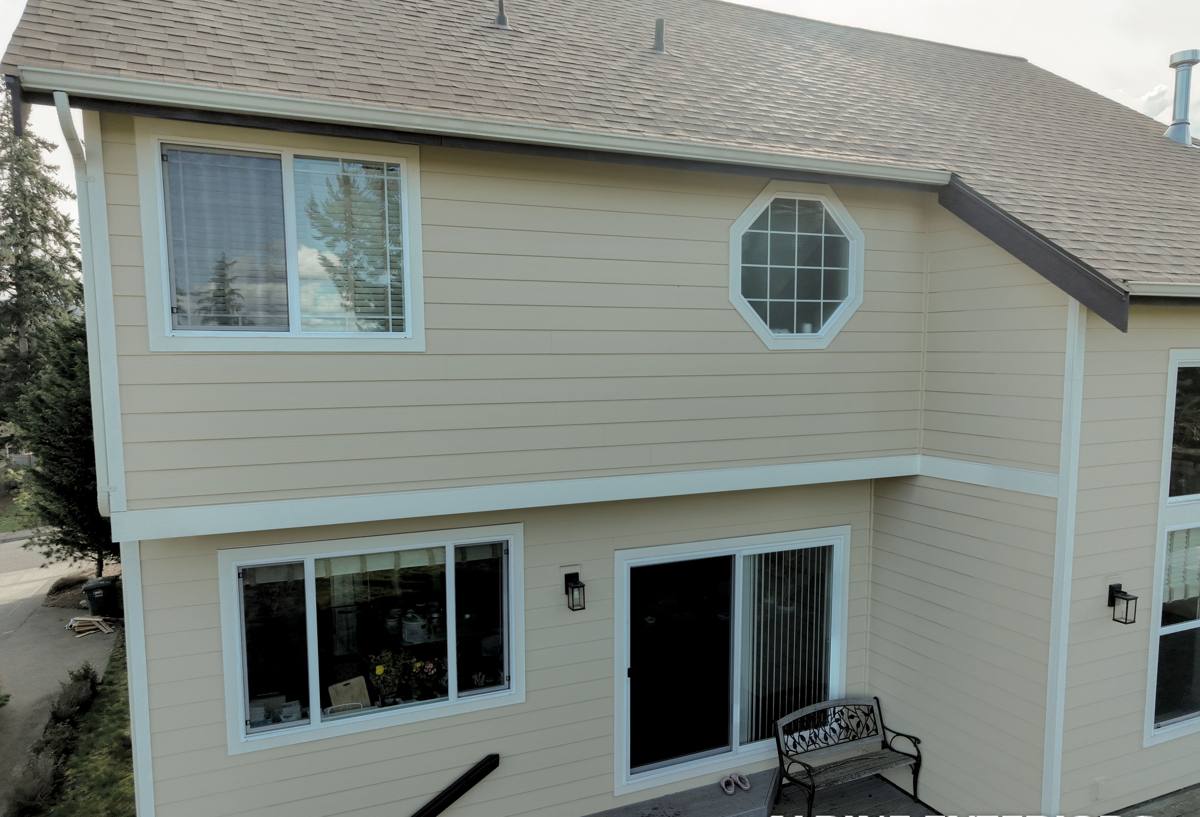
Signs a Repair Won't Cut It Anymore
Not every roof problem means a full replacement, but there's a point where patching becomes throwing money at a roof that's already failing underneath. Here's how we help homeowners tell the difference:
- Shingles that are cupping, curling at the edges, or have lost most of their granules — the surface is worn out, not just damaged in one spot
- Moss or algae growth that keeps coming back within a season or two of cleaning, especially on shaded slopes
- Soft or spongy decking when walked on, or daylight visible through the attic sheathing
- Multiple layers of old roofing already stacked underneath the current one (common on older homes and clone-built subdivisions)
- Staining on interior ceilings or attic insulation that keeps returning after repairs
- A roof that's at or past the manufacturer's expected service life for its material and local exposure
If a roof is showing two or more of these at once, a targeted repair is usually a short-term fix. We'll always tell you honestly if repair is the smarter call — replacement is a bigger investment and we don't push it when it isn't needed.
What a Correctly Installed New Roof Actually Involves
Tear-Off and Decking Inspection
A proper new roof starts with a full tear-off down to the decking, not an overlay. Overlaying traps moisture, hides existing damage, and adds weight the structure wasn't designed to carry long-term. Once the old roofing is off, we inspect every sheet of decking for soft spots, delamination, or water staining and replace anything that's compromised before a single new layer goes down. Skipping this step is the single most common reason a "new" roof fails early.
Underlayment and Moisture Barriers
Given how much wind-driven rain this area sees, underlayment choice matters more here than in drier climates. We use synthetic underlayment as a base moisture barrier across the field of the roof, with self-adhering ice-and-water shield along eaves, valleys, and any low-slope transitions — the spots where wind-driven rain is most likely to work its way backward under the shingles.
Flashing Details
Most roof leaks don't come from the shingles themselves — they come from flashing that was reused, undersized, or installed wrong at chimneys, skylights, sidewalls, and valleys. We install new flashing at every penetration and transition rather than reusing old pieces, and we pay particular attention to sidewall step flashing, which is one of the most common points of failure on homes with dormers or multi-level rooflines.
Ventilation
A roof that can't breathe traps heat and moisture in the attic, which shortens shingle life and feeds moss growth from underneath. We balance intake ventilation at the eaves with exhaust at the ridge so air actually moves through the attic space instead of stagnating. This is one of the most skipped details in budget roof jobs, and it's one of the biggest factors in how long a roof actually lasts in a wet climate.
Material Options for This Climate
There's no single "best" roofing material for every home — the right choice depends on the roof's slope, the home's exposure to wind and moisture, and your budget. Here's an honest comparison of the options we most commonly install in Whatcom County:
| Material | Moss/Moisture Resistance | Typical Lifespan | Maintenance |
|---|---|---|---|
| Architectural asphalt shingles | Good with proper ventilation; needs periodic moss treatment on shaded slopes | 25–30 years | Low to moderate |
| Standing seam metal | Excellent — sheds moisture fast, minimal surface for moss to grip | 40–50+ years | Low |
| Synthetic/composite shingle | Good; consistent moisture behavior, resists algae staining | 30–50 years | Low to moderate |
| Wood shake | Poor in this climate without aggressive upkeep — traps moisture, feeds moss | 15–25 years with upkeep | High |
We steer most Sudden Valley homeowners away from wood shake as a matter of professional standard, not because it can't be made to work — it's that the maintenance burden in a wet, shaded climate is significant, and the moisture behavior of wood shingles makes long-term performance harder to guarantee here compared to asphalt, composite, or metal.
What Drives the Cost of a New Roof
Every roof is priced individually after we've actually seen it, but these are the factors that move the number most:
| Factor | Why It Matters |
|---|---|
| Roof size and complexity | More valleys, dormers, and roof planes mean more flashing, cutting, and labor |
| Number of tear-off layers | Removing multiple old layers takes more time and disposal cost |
| Decking condition | Rotted or delaminated sheathing found during tear-off requires replacement |
| Material selection | Asphalt, composite, and metal carry different material and labor costs |
| Access and pitch | Steep or hard-to-reach roofs require more safety setup and labor time |
| Ventilation upgrades | Adding proper intake/exhaust venting where it's currently missing |
We give a firm, written estimate after an on-site inspection — not a phone-quote guess — because two roofs that look similar from the street can have very different decking condition or flashing needs once we're actually up there.
How Our Installation Process Works
- On-site inspection. We walk the roof, check the attic for ventilation and moisture issues, and assess decking condition where visible.
- Written estimate. A clear scope of work and price — no surprise add-ons unless we find something during tear-off, and we'll always show you before proceeding.
- Material selection. We talk through options based on your roof's exposure, slope, and budget, not a one-size-fits-all recommendation.
- Tear-off and decking repair. Full removal of old roofing, replacement of any compromised sheathing.
- Underlayment, flashing, and ice/water shield installation. The moisture-management layer that does the real work over the life of the roof.
- Ventilation balancing. Intake and exhaust venting installed or corrected as needed.
- Final installation. Shingles, panels, or shakes installed per manufacturer specification to keep warranty coverage intact.
- Cleanup and walkthrough. Full site cleanup including magnetic nail sweep, followed by a walkthrough of the finished roof.
Moss and Algae: Prevention Built Into the Install
Moss doesn't just make a roof look neglected — its root structure lifts shingle edges and holds moisture against the surface, which accelerates wear. Rather than treating moss as an annual maintenance chore to fight after the fact, we build in prevention at install time: proper ventilation to reduce trapped moisture, correct shingle overlap and nailing so moss has less to grip, and, where appropriate, zinc or copper strip installation near the ridge, which releases trace metal ions during rain that inhibit moss and algae growth over time on the slopes below it. None of this eliminates the need for occasional roof cleaning in a climate like this, but it significantly reduces how often you need it.
Why Local Installation Experience Matters
A roofing crew that only occasionally works in Whatcom County will install a roof to generic manufacturer minimums. A crew that works Ferndale and the surrounding communities regularly — including neighborhoods like Sudden Valley — knows which details actually matter here: where wind-driven rain typically finds its way in, which slopes need extra moss prevention, and how much ventilation this climate actually requires versus the bare minimum code allows. That local pattern recognition is the difference between a roof that performs for its full expected lifespan and one that needs early attention in spots a generic install would have missed.
Before You Sign a Roofing Contract: A Homeowner's Checklist
- Get a written estimate based on an actual roof inspection, not a drive-by or phone quote
- Confirm the contractor is licensed and insured in Washington, and ask to see current coverage
- Ask specifically whether the job includes full tear-off or an overlay
- Ask what underlayment and ice-and-water shield products will be used, and where
- Confirm ventilation will be assessed and corrected, not just left as-is
- Ask how flashing will be handled — reused or replaced
- Get the manufacturer warranty terms in writing, and ask if the installer is certified to offer an enhanced warranty
- Ask for a realistic project timeline, including what happens if weather delays work
Caring for a New Roof After Installation
A new roof still needs occasional attention to hit its full expected lifespan in this climate. Keep gutters clear so water isn't backing up under the eaves, trim back overhanging branches that shade the roof and keep it damp, and have the roof looked at every couple of years for early moss regrowth or any flashing that needs attention. Catching small issues early is far cheaper than dealing with a leak that's already reached the decking.
If your Sudden Valley home needs a new roof, we're glad to come take a look and give you a straight answer — repair or replace — along with a free, no-pressure estimate. There's a form below to get started.