 Ferndale Siding
 Why Metal Roofing Comes Up So Often in Cordata
If you're weighing a roof replacement for a home in or near Cordata, there's a good reason metal keeps coming up in the conversation. This is a corner of Whatcom County where the roof takes a beating from more than one direction at once — wind-driven rain off the water, salt-laden air, and long stretches of gray, damp weather that never quite let a roof dry out. Asphalt shingles can handle that for a while, but metal roofing is built specifically for the combination of moisture, wind, and years of exposure that defines this climate.
We're not here to tell you metal is right for every home or every budget — it isn't. But for homeowners planning to stay put for a decade or more, or who are tired of dealing with moss, granule loss, and repeat repairs, it's worth understanding what metal actually offers and what a correct installation looks like before you commit.
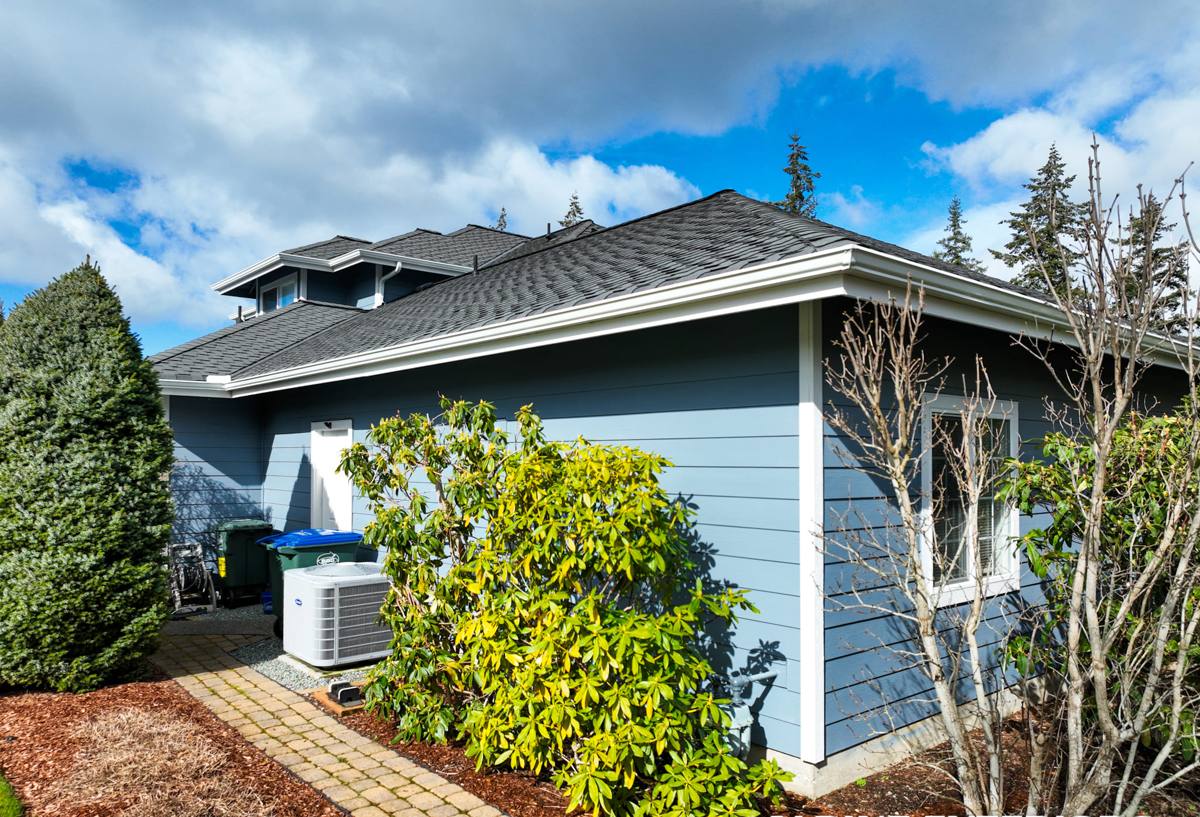
What the Local Climate Actually Does to a Roof
Whatcom County's weather isn't dramatic, but it's relentless. A few specific conditions matter more here than in drier parts of the state:
Salt Air
Proximity to Puget Sound and the Strait of Georgia means airborne salt is a real factor on roofing materials, especially exposed metal fasteners and lower-grade coatings. Salt exposure accelerates corrosion on unprotected steel edges, cut ends, and any fastener that isn't properly sealed or coated. This is one of the biggest reasons material choice and installation detail matter more here than in an inland climate.
Driving Rain
Rain in this region rarely falls straight down. Wind pushes it sideways and up under laps, flashing, and fascia — which means a roof system depends less on shedding water downhill and more on having every seam, valley, and penetration properly sealed against wind-driven moisture. A roof that would perform fine in a calmer climate can leak here simply because it wasn't detailed for sideways rain.
Long Moss Season
Cool, damp conditions persist for much of the year, and shaded, north-facing slopes barely dry out between storms. That's exactly the environment moss and algae need to establish. On asphalt shingles, moss roots into the granule surface and lifts shingle edges. Metal roofing gives moss a much harder surface to grip, and the steep slope common on standing seam panels helps water — and spores — shed before they can settle in.
Metal Roofing Options for This Area
"Metal roofing" covers more than one product, and the right choice depends on the home's roof pitch, architecture, and budget. Here's how the common options compare for a Whatcom County home:
| Panel Type | Best Suited For | Fasteners | Typical Lifespan |
|---|---|---|---|
| Standing seam | Most roof pitches, modern and traditional homes | Concealed clips, no exposed penetrations | 40-70 years |
| Exposed fastener panel | Budget-conscious projects, outbuildings, low-slope sections | Exposed screws through the panel face | 25-40 years |
| Metal shingles/shakes | Homes wanting a traditional look with metal performance | Concealed or interlocking | 40-60 years |
We generally steer homeowners in this climate toward standing seam or a well-engineered interlocking shingle system, because concealed fasteners remove the single biggest long-term weak point: exposed screw heads that can loosen, back out, or corrode over years of salt exposure and freeze-thaw cycling. Exposed fastener panels are a legitimate lower-cost option, but they need re-torquing or gasket replacement over time — a maintenance commitment worth knowing about upfront rather than finding out about after the first leak.
What a Correct Installation Actually Involves
Metal roofing performs well over the long run, but almost every failure we get called out to inspect traces back to installation shortcuts, not the material itself. A correct job in this climate includes:
- Synthetic underlayment rated for the full roof, not just patched over problem areas — this is the backup layer if wind-driven rain ever gets past the panels.
- Ice and water shield at eaves, valleys, and around every penetration, since these are the spots where sideways rain and ponding are most likely to find a way in.
- Proper panel fastening pattern matched to the manufacturer's wind-load spec — not just "close enough" screw spacing.
- Compatible metals at every flashing and fastener point, since mixing incompatible metals near coastal air accelerates galvanic corrosion.
- Ventilation continuity at ridge and soffit so trapped moisture doesn't condense against the underside of the panels.
- Clean, tight terminations at chimneys, vents, and skylights, where the majority of real-world leaks originate.
None of this is exotic. It's disciplined, unglamorous work — but skipping any one of these steps is how a metal roof that should last decades ends up with a leak in year three.
Our Process, Start to Finish
Inspection and Estimate
We walk the roof, check the decking condition, note any problem areas from past leaks or moss buildup, and talk through panel and finish options that fit the home's style and your budget. You get a written, itemized estimate — no vague allowances.
Tear-Off and Deck Prep
We remove the existing roofing down to the deck, replace any rotted or soft sheathing, and address any ventilation issues we find before a single panel goes down. Covering up bad decking with new roofing just moves the problem underground.
Underlayment and Flashing
This is where the roof's actual weather resistance gets built. We install underlayment and ice/water shield to spec, then fabricate and set flashing at every valley, wall intersection, and penetration.
Panel Installation
Panels go on with the fastening pattern and clip spacing specified for the product and this region's wind exposure, working methodically so seams stay straight and tight.
Final Walkthrough and Cleanup
We do a full site cleanup — magnetic sweep for stray fasteners included — and walk the finished roof with you before we consider the job done.
Metal vs. Asphalt Shingles in This Climate
Homeowners often ask us to make the call between reroofing in asphalt again or switching to metal. Here's the honest comparison for a Cordata-area home:
| Factor | Asphalt Shingles | Metal Roofing |
|---|---|---|
| Moss resistance | Low — granule surface holds moisture and moss roots | High — smooth surface, steep shed rate |
| Wind-driven rain performance | Good if properly installed, degrades with age | Excellent with sealed seams and proper flashing |
| Salt air durability | Moderate — granule loss accelerates near the coast | High with quality coatings and compatible fasteners |
| Upfront cost | Lower | Higher |
| Expected lifespan | 15-25 years locally | 40-70 years |
Asphalt is a perfectly reasonable choice for homeowners planning a shorter hold period or working with a tighter budget. Metal is the better long-term investment for anyone tired of repeat maintenance cycles or planning to stay in the home long-term.
Living With a Metal Roof: Moss Season Maintenance
Metal roofing needs far less maintenance than shingles, but "far less" isn't "none." A little seasonal attention keeps it performing the way it should:
- Clear gutters and downspouts before the fall rains start, since debris buildup is what actually causes ponding and backup — not the panels themselves.
- Rinse off any accumulated organic debris (needles, leaves) from valleys once or twice a year rather than letting it compost against the metal.
- Check fastener heads on exposed-fastener systems every few years for backing out or coating wear.
- Trim back overhanging branches that keep shaded sections of roof damp longer than necessary.
- Have flashing and sealant points inspected after any major windstorm.
None of this requires a specialist visit every year — it's the kind of upkeep most homeowners can handle themselves, or have us glance at during an occasional check-in.
What Drives the Cost of a Metal Roof Here
Every roof is different, but a few factors consistently move the price up or down on projects in this area:
| Cost Factor | Why It Matters |
|---|---|
| Roof pitch and complexity | Steep or cut-up rooflines take longer to flash and panel correctly |
| Panel type | Standing seam costs more upfront than exposed-fastener panel |
| Existing deck condition | Rotted sheathing found during tear-off adds material and labor |
| Tear-off vs. overlay | Full tear-off costs more but is the only way to properly inspect and prep the deck |
| Finish and gauge | Heavier gauge steel and premium coatings cost more but last longer in salt air |
We'd rather walk you through these trade-offs honestly during the estimate than quote a number that doesn't reflect what your roof actually needs.
Why It Matters to Hire a Crew That Already Works in Cordata
A roof that's engineered for Arizona sun or Midwest hail isn't automatically engineered for Whatcom County's version of weather. Crews who work this area regularly know which valleys collect standing water in a sideways storm, which north-facing slopes hang onto moss the longest, and which fastener and flashing details actually hold up against years of salt air — because we've gone back and fixed the ones that didn't. That local pattern recognition is hard to substitute with a generic install, no matter how good the materials are on paper.
It also means we're not guessing at code requirements, wind exposure ratings, or what a manufacturer's warranty actually requires for installation in this region — we deal with it on every job.
If you're weighing metal roofing for a home in the Cordata area, we're happy to take a look and walk you through what your specific roof needs — no pressure, no obligation. Use the form below to request a free estimate.