 Ferndale Siding
 Building New in Sandy Point Means Building for the Water
Sandy Point sits close enough to the Strait of Georgia that the weather off the water shapes almost every exterior decision on a new build, and windows are no exception. A window package that would be perfectly fine a few miles inland in Ferndale or elsewhere in Whatcom County can fall short here if it isn't chosen and installed with salt air, wind-driven rain, and a long damp season specifically in mind. New construction is the one point in a home's life where getting the window opening built correctly is easiest — every layer is exposed, nothing has to be torn out first, and there's no old flashing or rotten sheathing to work around. That window of opportunity, so to speak, closes the day siding goes up.
This page is about that one job done right: installing new-construction windows in homes being built or added onto in the Sandy Point area, with an approach that accounts for the specific climate this stretch of Whatcom County deals with.
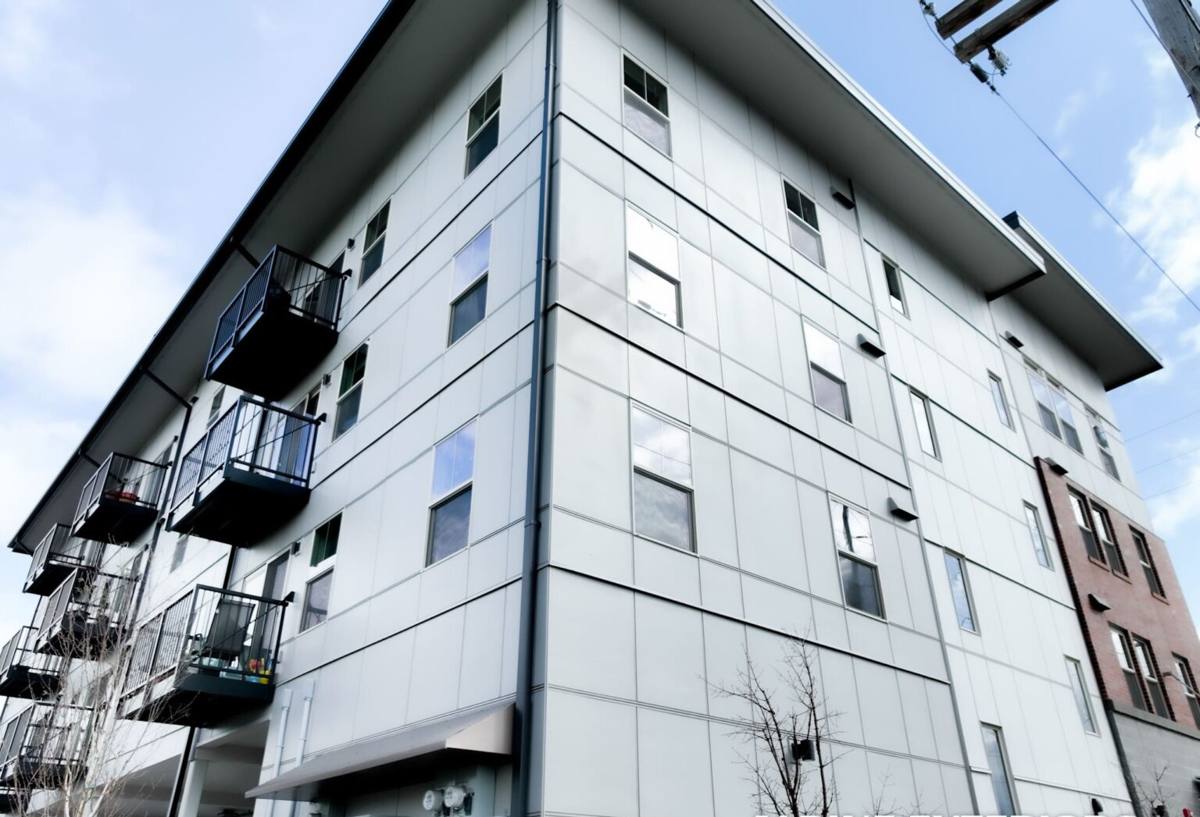
What This Climate Actually Does to a Window Opening
Three things drive most of the water and window problems we see in homes near the Sandy Point shoreline, and they compound each other rather than acting alone.
Salt Air
Airborne salt off the water accelerates corrosion on anything metal it touches — screws, flashing, hardware, and lower-grade cladding on window frames. It also breaks down some sealants and finishes faster than they'd wear inland, which matters because a window's long-term watertightness depends on that sealant staying flexible and intact.
Driving Rain
Rain that comes in sideways off open water doesn't behave like rain falling straight down. It gets pushed up under trim, around corners, and into any gap in the flashing that a calmer climate might never test. A window opening that's "close enough" in a sheltered inland lot can leak within a few seasons in a wind-exposed Sandy Point location.
Moss Season
Whatcom County's long wet stretch from fall through spring keeps everything outdoors damp for months at a time. Moss and algae find a foothold anywhere water sits or drains slowly — including on window sills, trim, and the tops of window openings if the flashing doesn't shed water cleanly. That moisture holding against wood trim or sheathing is also what eventually leads to rot if it isn't detailed to drain and dry.
None of this means Sandy Point needs exotic materials. It means the ordinary steps of a window installation — flashing sequence, sealant choice, drainage path — have less room for shortcuts than they would elsewhere.
New-Construction Windows vs. Replacement Windows: Why the Method Matters
New-construction windows have a nailing fin (sometimes called a flange) around the outside of the frame that gets integrated into the wall's weather-resistive barrier (WRB) and flashing before siding goes on. This is different from a pocket or insert replacement window, which fits into an existing frame after the fact. On a new build or an addition, using true new-construction windows and installing them into the rough opening at the correct stage — before the WRB and siding are closed in — is what allows for a fully layered, shingle-style water management system. Get this stage right and the window becomes a non-issue for decades. Get it wrong and you've built a leak into the wall that may not show itself for years.
Because Sandy Point exposure punishes small mistakes faster than a sheltered lot would, this is the one part of the build where we don't compromise on sequence, even if it means coordinating more closely with a framer or general contractor's schedule.
What a Correct New-Construction Window Install Involves
A proper install is really a sequence of overlapping layers, each one shedding water onto the layer below it, so nothing ever depends on a single bead of caulk to keep water out. On a home exposed to Sandy Point's wind and rain, we treat every one of these steps as non-negotiable:
- Rough opening checked for square, level, and correct size before the window ever shows up on site
- Sill pan flashing installed first, sloped to drain outward, so any water that gets past the window has somewhere to go besides the framing
- Weather-resistive barrier integrated with the flashing in the correct shingle-lap order — always upper layers over lower layers, never the reverse
- Window set plumb, level, and square in the opening, with shimming at the correct load points so the frame doesn't rack or bow
- Nailing fin fastened per the manufacturer's schedule — enough fasteners, in the right spots, to hold the window through wind loads off the water
- Head flashing installed last over the top fin, extending past the jambs so water is directed out and down, not sideways into the wall
- Sealants matched to the substrate and rated for exterior UV and moisture exposure, not general-purpose caulk
- Interior air sealing around the frame, which affects both energy performance and preventing condensation inside the wall cavity
Skipping or reordering any one of these is usually invisible at final walkthrough. It's also exactly the kind of shortcut that a wet, salt-exposed, wind-driven site like Sandy Point will expose within a handful of winters.
Choosing a Frame Material for This Environment
There's no single "correct" window brand or material for every home, and we're not going to tell a homeowner that one manufacturer's product is bad. What we will do is walk through the honest trade-offs of common frame materials as they hold up specifically in a salt-air, high-moisture climate like this one.
| Frame Material | How It Handles Salt Air & Moisture | Maintenance Expectation |
|---|---|---|
| Vinyl | Doesn't corrode; performs well against salt air. Quality varies a lot between manufacturers | Low — occasional cleaning, no painting or sealing needed |
| Fiberglass | Very stable in wet, salty conditions; expands/contracts close to glass, reducing seal stress | Low — durable finish, minimal upkeep |
| Aluminum | Strong but conducts cold and can corrode over time near salt air unless properly coated | Moderate — watch for pitting and hardware corrosion |
| Wood / Wood-Clad | Handsome, but exposed wood or damaged cladding is vulnerable to rot in a long wet season | Higher — regular inspection and finish maintenance required |
Hardware matters as much as frame material here. Stainless or coated corrosion-resistant hardware is worth the small upcharge on a home this close to open water — standard hardware can start showing rust streaks and stiffness well before the window itself has any problem.
Glass and Coating Choices Worth Knowing About
Whatcom County's climate is mild but persistently damp and overcast for long stretches, which shifts what actually matters in a glass package compared to, say, a hot dry climate.
- Low-E coatings help retain interior heat during the long cool season without meaningfully cutting into the daylight on overcast days — worth having on every new-construction window here
- Argon or krypton gas fill between panes improves insulating value at a modest cost, and pays off over a heating season that runs many months
- Dual-pane vs. triple-pane is mostly a budget and noise question in this climate; triple-pane adds cost and weight but can be worth it on wind-exposed elevations facing the water
- Condensation resistance ratings matter more here than in a drier climate — a window with poor edge-of-glass performance will fog and drip on cold, humid mornings
How Our Process Works on a Sandy Point Job
Whether we're working directly with a homeowner building new or coordinating with a general contractor framing an addition, the sequence stays consistent:
- Plan review and site visit — we look at elevation exposure, since a wall facing open water needs more conservative detailing than a sheltered side
- Window schedule confirmation — rough openings, sizes, and hardware are verified against the plans before ordering, to avoid delays that hold up the whole build
- Flashing and sill pan install — done before windows arrive so the opening is ready the moment they're set
- Window setting — plumb, level, square, and fastened to schedule
- Flashing integration and sealing — head flashing, WRB lap, and sealant applied in the correct order
- Interior air sealing — insulation and air seal around each frame before interior finish covers it
- Final inspection — every opening checked for square, operation, and weatherproofing before siding closes the wall
Working with a framer or GC's schedule is part of the job in new construction, and we coordinate timing so windows aren't sitting exposed longer than necessary or forcing other trades to wait.
What Drives Cost on a New-Construction Window Job
Every new build is different, but the same handful of factors move the price up or down on almost every job we quote in this area.
| Factor | Why It Matters |
|---|---|
| Number and size of openings | More or larger windows means more material and labor, straightforwardly |
| Frame material chosen | Vinyl, fiberglass, and wood-clad options span a wide price range |
| Glass package | Low-E coatings, gas fills, and triple-pane options each add incremental cost |
| Elevation exposure | Openings facing open water may warrant upgraded flashing details or hardware |
| Site access and timing | Coordinating with other trades on an active build site affects scheduling and labor efficiency |
| Custom sizes or shapes | Anything outside standard stock sizing adds lead time and cost |
We'd rather walk a homeowner or builder through these trade-offs honestly on-site than quote a number without context — broad ranges only get useful once we know the actual opening count and exposure.
Why a Crew That Already Works Sandy Point Matters
Window installation done right isn't complicated, but it is unforgiving of shortcuts, and a crew that hasn't worked this specific stretch of coastline doesn't always know where those shortcuts show up first. A contractor used to sheltered inland lots may not think twice about a flashing detail that's perfectly adequate there but marginal on a wind-exposed elevation near Sandy Point. Familiarity with how the salt air, driving rain, and moss season actually behave on homes in this part of Whatcom County means fewer assumptions and fewer callbacks — the flashing sequence, sealant choice, and hardware selection get treated as load-bearing decisions rather than afterthoughts, because we've seen what happens when they aren't.
It also means we're a known, reachable local crew if a question comes up after the siding is closed in — not a name from a job three counties away.
Get a Straightforward Estimate
If you're building new or adding on in the Sandy Point area and want windows installed the right way the first time, we're happy to walk the plans with you and give a free, no-pressure estimate. Use the form below to get started — no obligation, just an honest look at what your home needs.