 Ferndale Siding
 Siding on Lummi Island Has to Work Harder
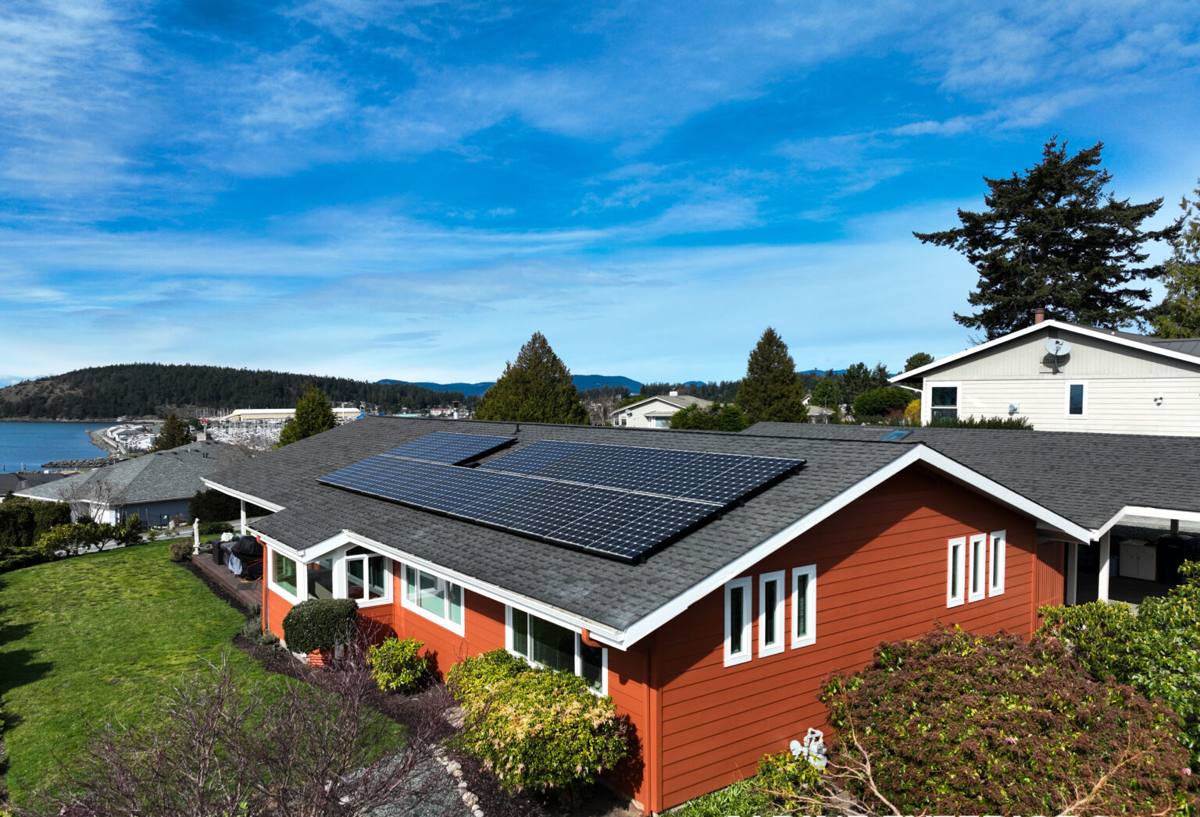
Lummi Island sits out in the salt water of Whatcom County, reached by a short ferry crossing from the mainland near Ferndale. That setting is part of what makes the island special — and part of what makes it tough on a home's exterior. Wind off the water carries salt onto siding, trim, and fasteners day after day. Storms roll in with driving, horizontal rain instead of the gentler straight-down rain you get further inland. And the wooded, shaded lots that give many island properties their privacy also trap moisture and feed a long moss and algae season that runs well past what most Whatcom County homeowners deal with.
Siding that's rated for a subdivision in a dry inland town doesn't automatically hold up out here. We've built our Ferndale-area crew's process around the specific conditions Lummi Island homes face, and we only install one siding system because it's the one we trust to actually perform in this environment over the long haul: James Hardie fiber cement.
What the Lummi Island Climate Actually Does to Siding
Salt Air and Corrosion
Airborne salt is abrasive and corrosive in ways that go beyond cosmetic staining. It accelerates the breakdown of fasteners, flashing, and any siding material that isn't formulated to resist it. Untreated or under-spec metal components rust and stain the wall below them. Some siding materials also absorb salt-laden moisture into their surface, which shows up later as swelling, cracking, or a chalky finish that won't clean off.
Driving Rain and Wind-Driven Moisture
Because the island has few windbreaks in many exposures, storms push rain sideways into walls rather than letting it run straight down and off. That means water finds its way into gaps, laps, and butt joints that would stay dry on a more sheltered inland lot. Every seam, corner, and penetration on a Lummi Island home needs to be treated as a place water will actively try to get in — not just a place it might eventually reach.
A Longer Moss and Algae Season
Shaded, tree-covered lots combined with persistent damp conditions mean moss, lichen, and algae get a longer growing window on Lummi Island than on more open, sunnier sites elsewhere in the county. Siding materials that hold surface moisture stay green and grimy longer; siding that sheds water and dries quickly resists it far better.
Why We Standardized on James Hardie
We install James Hardie fiber cement siding exclusively — not vinyl, not LP SmartSide, not Cemplank or Allura, not primed spruce or cedar. That's a deliberate professional standard, not a sales preference. Fiber cement in general resists moisture, rot, and pests better than wood-based products, and it won't soften or delaminate the way some engineered wood siding can when it stays damp for extended periods, which matters enormously in a marine climate with a long wet season. Vinyl can work loose or crack in sustained wind exposure and doesn't offer the same non-combustible protection. Among fiber cement brands, James Hardie's HardieZone system, factory-applied ColorPlus finish, and transferable warranty give us the most confidence that a job done right today still looks and performs right ten and twenty years from now — which is exactly the timeline that matters on a home exposed to salt air and heavy rain year-round.
What a Correct Installation Involves Out Here
Fiber cement siding is only as good as the installation behind it. On Lummi Island, a handful of details matter more than they would on a sheltered inland lot, and cutting corners on any of them is exactly how a home ends up with hidden moisture damage a few years down the road.
Water Management Comes First
Before a single piece of siding goes up, the wall needs a correctly lapped weather-resistive barrier, properly integrated flashing at every window, door, and roofline intersection, and rainscreen or drainage space where conditions call for it. On a home taking wind-driven rain from multiple directions, flashing details that would be "good enough" elsewhere aren't good enough here.
Fastening and Clearances
James Hardie specifies fastener type, spacing, and placement for a reason — under-fastened or improperly placed nails are a common cause of early failure. We also hold correct clearance from grade, roofing, and decks so moisture wicking from the ground or from a roof line doesn't get a foothold at the bottom edge of the siding, which is one of the first places we see problems on older, poorly installed jobs.
Joints, Caulking, and Trim
Butt joints and trim transitions are where driving rain finds a way in if they're not detailed correctly. We follow Hardie's specified joint treatment and use appropriate sealants at the right locations — not everywhere, since over-caulking can trap moisture just as badly as leaving a joint open.
Choosing the Right Product Line and Finish
James Hardie makes climate-engineered product lines, and picking the right one for an island exposure is part of doing the job correctly rather than just installing "Hardie siding" generically.
| Consideration | What It Means for Lummi Island |
|---|---|
| HardieZone HZ5 engineering | Formulated for wetter, harsher climate zones — the right baseline for a marine, high-moisture exposure like this one |
| ColorPlus factory finish | Baked-on finish resists fading and moisture intrusion better than field-applied paint, which matters with constant salt air and damp conditions |
| Lap siding vs. panel profiles | Both perform well when installed correctly; choice usually comes down to the look you want for the home, not durability |
| Trim and fascia coordination | Matching trim material and finish reduces the number of different failure points and simplifies long-term maintenance |
Our Process, Start to Finish
- Free on-site estimate, including a look at your home's specific exposure — wind direction, shade, roof drainage, and existing moisture or moss issues
- Product and color recommendation based on that exposure, not a one-size-fits-all package
- Removal of old siding and inspection of the sheathing underneath for any hidden rot or moisture damage before we cover it back up
- Correct installation of weather barrier, flashing, and drainage detailing at every vulnerable point
- James Hardie fiber cement installation to manufacturer fastening and clearance specifications
- Final walkthrough covering care, warranty registration, and what to expect in year one
Because ferry scheduling and barge logistics for materials are a real factor for any island project, we plan material deliveries and crew scheduling around them in advance rather than treating it as an afterthought — it's a routine part of working on Lummi Island, not a surprise that slows the job down.
Living With Fiber Cement Siding in a Marine, Mossy Climate
James Hardie siding is low-maintenance compared to wood or engineered wood, but "low-maintenance" isn't "no-maintenance," especially in this environment. A little regular attention keeps it looking right and performing the way it should for decades.
- Rinse siding periodically to clear off salt residue and organic buildup, especially on shaded or north-facing walls
- Keep gutters clear so overflow doesn't run down the wall face and feed moss growth
- Trim back vegetation and tree limbs that keep sections of the wall damp and shaded longer than necessary
- Watch caulked joints and touch up as needed rather than waiting for a gap to open up
- Address any paint chips or scratches promptly so the substrate underneath stays protected
- Have flashing and trim intersections checked periodically, since these are the first places a hidden leak shows up
Cost Factors for a Lummi Island Siding Project
Every home is different, but a few factors consistently move the price on island projects specifically, beyond the usual variables of square footage and product line.
| Factor | Why It Affects Cost |
|---|---|
| Existing sheathing condition | Hidden moisture damage from a prior failing siding system may need repair before new siding goes on |
| Material and crew logistics | Ferry-dependent scheduling and delivery timing are planned into the project rather than adding surprise costs, but they do factor into scheduling |
| Wall exposure and complexity | Homes with more window/door penetrations or complex rooflines need more flashing and detail work |
| Product line and finish selected | ColorPlus factory finishes and heavier-duty profiles cost more upfront but reduce long-term maintenance |
Why Hire a Crew That Already Works on Lummi Island
A contractor who mainly works dry, sheltered, inland neighborhoods and occasionally takes an island job doesn't have the same instinct for where water actually gets into a home out here. A crew that already understands Lummi Island's wind exposure, salt air, and moss season plans the job differently from the first estimate — choosing the right product engineering, detailing flashing more conservatively, and scheduling around ferry and delivery logistics as routine, not as an obstacle. That local familiarity is often the difference between a siding job that still looks and performs well after a decade of Pacific Northwest weather and one that starts showing problems in year three.
If you're planning a siding project on Lummi Island, we're happy to walk your home, look at its specific exposure, and put together a straightforward, no-pressure estimate using the form below.