 Ferndale Siding
 Window Installation Built for Kendall's Climate
Kendall sits in a part of Whatcom County that takes a steady, specific kind of weather beating year after year. Marine air carries salt-tinged moisture through the area even on properties well back from open water, wind pushes rain sideways into wall assemblies instead of letting it fall straight down, and a long, damp moss season settles into shaded roof and wall planes for months at a stretch. Windows sit right at the center of all of it. A home's siding and roof cover most of the exterior in large, continuous sheets, but every window is a seam — a place where the wall assembly has been cut open and needs to be closed back up correctly, year after year, through wet season after wet season.
This page covers window installation and replacement for existing Kendall homes specifically — not new construction, where windows go into open framing before the wall is closed in, but the more common situation of installing new windows into a house that's already built, already sided, and already lived in. That's a different job with different constraints, and getting it right takes a different set of decisions than a new build does.
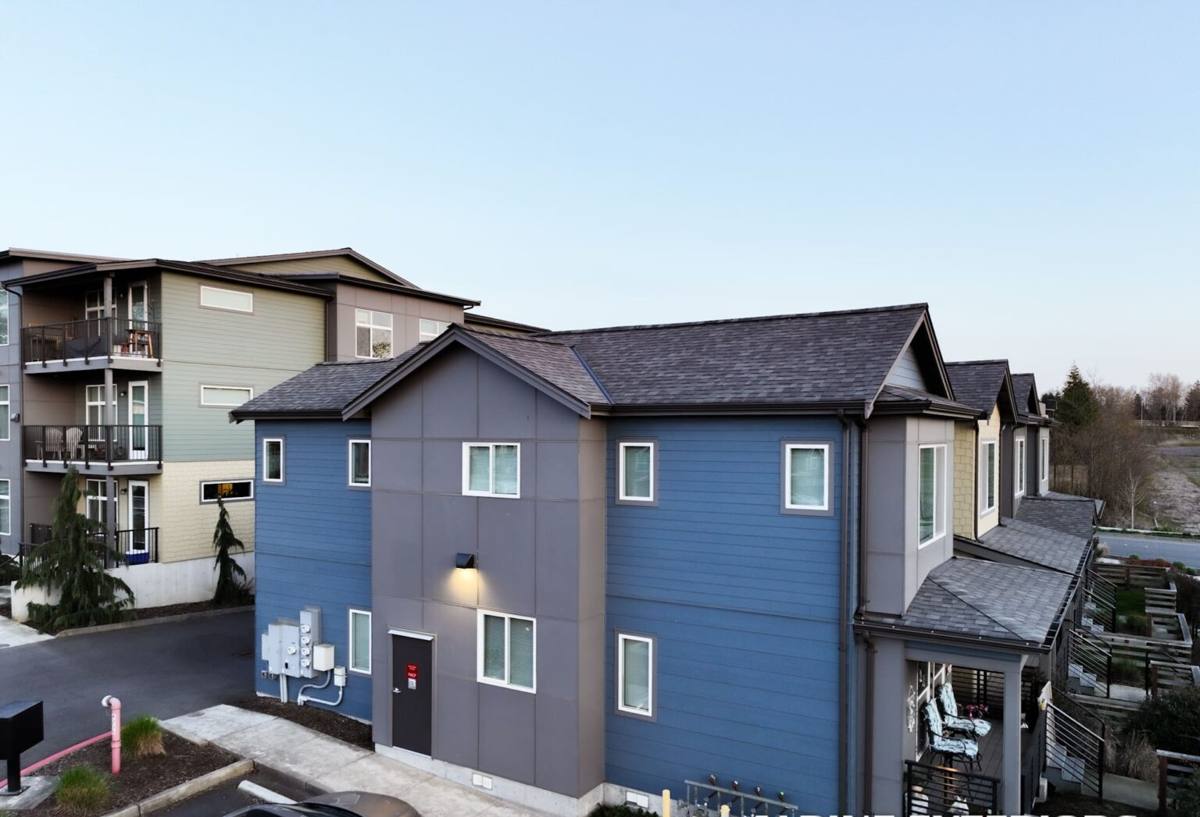
What Kendall's Climate Demands From a Window Installation
Salt-Tinged Marine Air and Hardware
Salt-influenced air moving through this area accelerates corrosion on window hardware, fasteners, and flashing metal faster than it would in a drier inland climate. On a replacement job, that means specifying corrosion-resistant fasteners and flashing components as standard practice, not an upgrade — hardware that looks fine on day one but isn't rated for this exposure tends to show pitting, stiffness, and failed seals years ahead of schedule.
Wind-Driven Rain and an Existing Wall
Rain in this part of Whatcom County rarely falls straight down. Wind pushes it sideways and up under trim and siding edges, which is exactly where an existing wall's weaknesses show up. A new window dropped into an old opening without rebuilding the flashing correctly will often look fine for a season or two and still let water track behind the siding, because the problem isn't visible until it's already done damage.
A Long Moss and Shade Season
Shaded elevations and window trim that doesn't drain well hold moisture longer here than in a drier climate, which keeps moss and mildew active across most of the year rather than just a few wet months. On an older home, that moisture often shows up first as soft or discolored trim right at the sill and lower corners of a window — a sign the assembly behind the window has been staying wet longer than it should.
Interior Condensation From Temperature Swings
The gap between a heated interior and a cold, damp exterior creates real condensation pressure on window glass and frames through the fall and winter. Older single-pane or failing double-pane windows show this constantly, with fogging, moisture trapped between panes, or water pooling on interior sills. That's a sign of a failed seal, not just an annoyance to wipe up.
Insert Replacement vs. Full-Frame Replacement
Replacing a window in an existing Kendall home usually comes down to one of two approaches, and the right one depends on the condition of what's already there. An insert (or pocket) replacement fits a new window into the existing frame, leaving the surrounding trim, siding, and interior finish undisturbed. A full-frame replacement removes the old window down to the rough opening, which exposes the framing, sill, and flashing underneath so they can be inspected and rebuilt if needed.
| Factor | Insert (Pocket) Replacement | Full-Frame Replacement |
|---|---|---|
| When it's the right call | Existing frame and flashing are sound and square | Frame is rotted, out of square, or flashing has already failed |
| Disruption to siding and trim | Minimal — existing trim usually stays in place | Trim and some siding around the opening are removed and reset |
| Access to flashing and sill | Limited — you're relying on what's already behind the old frame | Full access to rebuild sill pan and flashing correctly |
| Typical cost and timeline | Lower cost, faster per opening | Higher cost, more labor per opening |
| Glass size gained | Slightly smaller viewable glass area than the original | Can often match or exceed original glass size |
We don't default to whichever method is faster to sell. If the existing opening is sound, an insert replacement is a legitimate, cost-effective option. If there's any sign the sill or framing has already taken on water — and on a Kendall home old enough to need new windows, that's a real possibility — a full-frame replacement is usually the honest recommendation, because it's the only approach that lets us actually see and fix what's underneath before closing it back up.
Signs Your Kendall Home Needs Window Attention
- Fogging or visible moisture trapped between the panes of a double-pane window
- Noticeable drafts or cold spots near the frame even with the window fully closed and locked
- Trim or sill wood that feels soft, looks discolored, or shows visible rot at the lower corners
- Windows that are difficult to open, close, or lock compared to how they used to operate
- Visible daylight or gaps where the frame meets the surrounding siding or trim
- Paint or finish peeling, bubbling, or chalking faster around the windows than elsewhere on the exterior
- Rising heating bills without an obvious explanation elsewhere in the home
What a Correct Window Installation Involves
Whether we're doing an insert or a full-frame replacement, the sequence matters more than the window unit itself. Skipping or rushing any of these steps is where a leak gets built into a wall that won't show itself until a wet season or two later.
Opening Assessment and Prep
Before anything comes out, we check the existing opening for square, level, and any sign of hidden moisture damage in the surrounding trim or sheathing. This is the step that decides whether an insert replacement is genuinely appropriate or whether the opening needs to be taken back to the framing.
Flashing and Sealing Tied Into the Existing Wall
On a full-frame replacement, sill pan flashing goes in first, pitched to drain outward, followed by jamb and head flashing integrated with the existing weather-resistive barrier and siding in the correct shingle-lap order. On an insert replacement, sealing at the interface between the new frame and the old one has to be done carefully, since there's less opportunity to rebuild the drainage plane from scratch. Either way, this is the step that determines whether the installation stays dry for decades or starts leaking within a few winters.
Setting and Fastening the Window
The new unit is set plumb, level, and square, then fastened per the manufacturer's specified pattern with corrosion-resistant hardware suited to this area's marine air. A window that's slightly out of square will bind, won't seal evenly, and puts uneven stress on the frame and hardware over time.
Interior Finish and Insulation
The gap between the new frame and the rough opening gets sealed and insulated from the inside without trapping moisture against the framing, and interior trim is reset or replaced to match the surrounding finish. A clean interior finish is also a quick visual check that the window was actually set square.
Choosing the Right Frame and Glazing for a Kendall Home
We install vinyl and fiberglass window systems suited to the Pacific Northwest's wet, mild conditions, and we'll walk through the real trade-offs with you rather than defaulting to one product for every job. Vinyl frames are generally the more affordable option and perform well in this climate when installed correctly. Fiberglass frames cost more but stay dimensionally stable across a wider range of temperature swings and can hold paint if you want a custom exterior color to match existing trim. Wood frames with a clad exterior are worth considering on a home where interior finish matters more, provided the cladding is genuinely protecting the wood from direct weather exposure. What we don't recommend for this climate is an uncladded wood frame or bare aluminum on an exposed elevation — both are more vulnerable to the sustained moisture and marine air this area sees than the alternatives.
| Glazing Option | What It Does | Worth It Here? |
|---|---|---|
| Standard double-pane | Baseline insulation and moisture separation between panes | Acceptable minimum; meets code but not the strongest performer |
| Double-pane with Low-E coating | Reduces heat loss and cuts down on interior condensation on cold glass | Generally worth the modest upcharge for most Kendall homes |
| Triple-pane | Better insulation and sound dampening, heavier sash and frame | Worth it for north-facing or particularly exposed rooms; not always necessary elsewhere |
| Argon or krypton gas fill | Improves insulating performance between panes | A reasonable add-on alongside Low-E coating, not a standalone fix |
The right combination depends on which elevation the window sits on, how much shade or direct sun it gets, and what you're trying to solve — energy bills, condensation, drafts, or all three. We'll go over U-factor and NFRC ratings on whatever package we install so you know exactly what's being specified rather than taking a sales sheet's word for it.
Cost Factors for Window Installation in Kendall
| Factor | What It Affects |
|---|---|
| Insert vs. full-frame replacement | Labor scope, and whether hidden sill or framing damage gets found and fixed |
| Number and size of openings | Total material and labor cost across the project |
| Frame material and glazing package | Upfront cost versus long-term durability and energy performance |
| Condition of existing trim and siding | Whether surrounding finish work needs repair or replacement alongside the windows |
| Custom sizing or shapes | Lead time and per-unit cost compared to standard sizes |
| Site access | Labor time on upper-story or hard-to-reach openings |
Broad ranges aren't much use without seeing the actual openings, since a home with sound existing frames and standard sizes costs meaningfully less to re-window than one where every opening turns out to need full-frame work. We give a written, itemized estimate after an in-person look, not a number pulled from a generic price sheet.
How Our Process Works
- On-site assessment: We check each window's frame condition, seal integrity, hardware function, and how the existing flashing ties into the surrounding siding.
- Honest recommendation: We tell you which openings are reasonable insert-replacement candidates and which ones need full-frame work, and why, rather than applying one answer to every window in the house.
- Written estimate: You get an itemized bid covering window units, installation method, flashing and sealing scope, and any trim or siding repair — before any work begins.
- Removal and prep: Old windows come out, and on full-frame jobs the opening is inspected and any hidden damage is repaired before the new unit goes in.
- Flashing, sealing, and setting the window: Each opening is treated individually, with flashing and sealing tied into the existing wall assembly correctly, not just caulked over.
- Interior and exterior finish: Trim is reset or replaced to match, and the interior is sealed and insulated properly around the new frame.
- Final walkthrough: We check operation, hardware, and visible seals with you before calling the job complete.
Why Hiring a Crew That Already Works in Kendall Matters
A crew that regularly installs and replaces windows in and around Kendall has already seen how marine-influenced air corrodes underspecified hardware, how wind-driven rain finds its way through a poorly sealed sill or trim gap, and which elevations tend to hold moisture longest through the wet season. That experience shows up in small decisions on install day — how much attention a north-facing opening gets versus a sun-exposed one, whether an insert replacement is genuinely appropriate or a full-frame job is the honest call, which sealing details are worth the extra time. It also means working with a company you can actually reach a few years later if a warranty question comes up, rather than chasing down a crew that only worked the area for one job.
A Practical Checklist Before Hiring for Window Work
- Ask whether they recommend insert or full-frame replacement for each window individually, and why
- Confirm current Washington contractor licensing and active liability insurance
- Get a written scope that separates the manufacturer's product warranty from the contractor's installation warranty
- Ask specifically how they handle flashing and sealing at the sill, not just which window brand they sell
- Ask about lead times, since custom-sized replacement windows in this region can take several weeks to arrive
If you're dealing with drafty, foggy, or hard-to-operate windows on a Kendall home, or you just want an honest read on whether insert replacement or full-frame work is the right call, we're glad to take a look. Use the form below to request a free, no-pressure estimate.