 Ferndale Siding
 Asphalt Shingle Roofing Built for Kendall's Weather
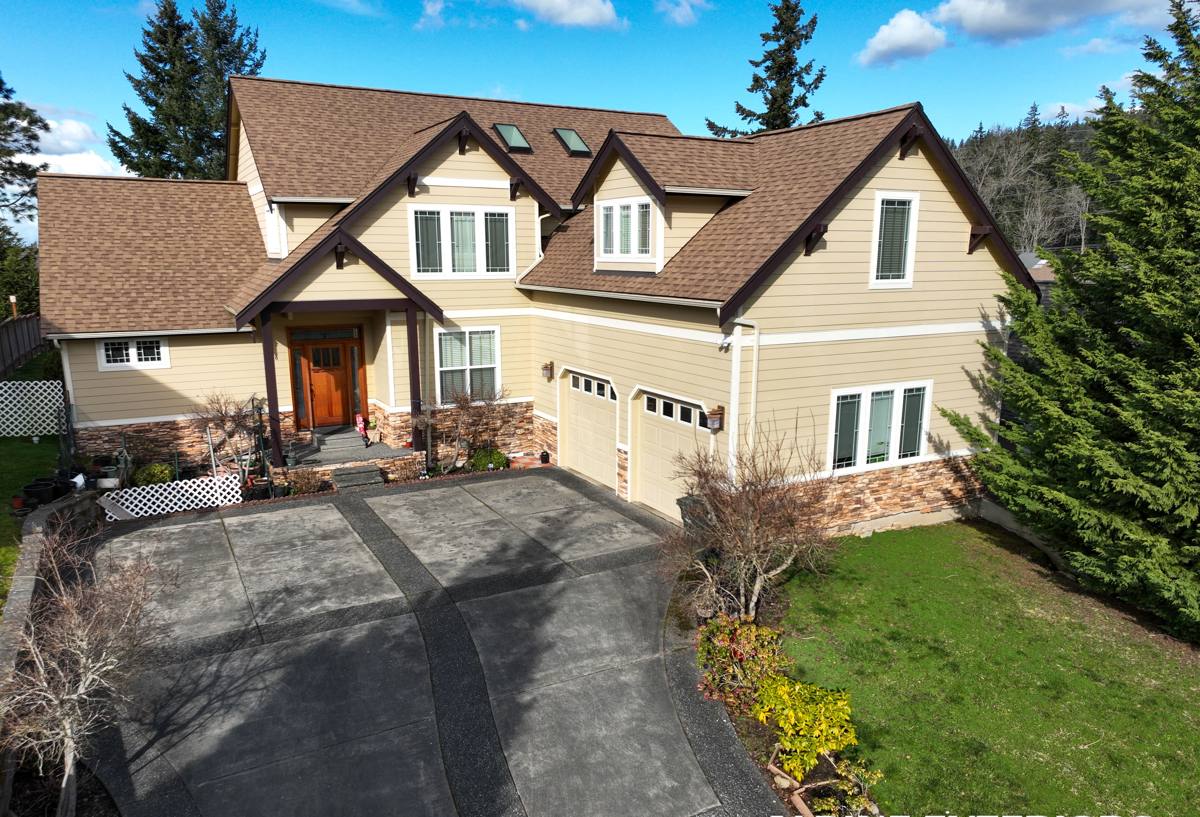
Homes out toward Kendall deal with a roofing climate that's easy to underestimate until a roof starts failing early. Whatcom County sits under a steady flow of marine air, and that means long stretches of driving rain, heavy morning dew, and short winter days where roof surfaces barely get a chance to dry out between storms. Add in the tree cover common around Kendall's rural and semi-rural lots, and you get ideal conditions for moss, algae streaking, and slow moisture intrusion that homeowners in drier climates never have to think about. Asphalt shingle roofing can handle all of this well — but only when it's specified and installed with this exact climate in mind, not treated like a generic roof job.
We work throughout Ferndale and the surrounding Whatcom County communities, and Kendall's roofs get the same attention to detail as anywhere else on our route: proper ventilation, correct underlayment for wind-driven rain, and shingle products chosen for moss and algae resistance rather than price alone.
Why Kendall's Climate Is Harder on a Roof Than It Looks
Moss Season Runs Longer Than People Expect
In this part of Washington, moss isn't a cosmetic nuisance — it's a moisture trap. Once moss colonizes a shingle roof, it holds water against the granules and shingle mat far longer than open air ever would, and it lifts shingle edges as it grows, giving wind-driven rain a path underneath. On tree-shaded lots around Kendall, moss season effectively runs most of the year rather than just the classic "wet season" months.
Driving Rain and Wind-Driven Moisture
Storms moving through Whatcom County often bring rain sideways, not straight down. That matters for roofing because standard installation details that work fine in calm-rain climates can let water track backward under shingle tabs, around vents, and at valleys. Flashing details and underlayment choice matter more here than in most parts of the country.
Salt Air and Coastal-Influenced Moisture
The broader Ferndale area sits close enough to Puget Sound and Bellingham Bay that salt-laden marine air is part of the regional weather pattern, even on inland properties. That moisture accelerates the breakdown of cheap fasteners, unprotected metal flashing, and lower-grade shingle products over time.
What a Correctly Installed Asphalt Shingle Roof Includes
A shingle roof is a system, not a single product. Skipping or downgrading any one component is usually where premature leaks and moss problems start. On every Kendall-area roof, our installation includes:
- Full tear-off and deck inspection — not just a re-layer over old, possibly soft or rotted sheathing
- Ice-and-water shield at eaves, valleys, and around penetrations, sized for our rain patterns rather than a bare-minimum spec
- Synthetic underlayment rated for wind-driven rain across the full roof field
- Balanced intake and exhaust ventilation, so the attic isn't trapping moisture under the deck
- Algae-resistant (copper- or zinc-infused granule) shingles where moss and streaking history warrants it
- Proper nailing pattern and fastener count per manufacturer spec — not the fewest nails that will pass a quick glance
- Correctly lapped and sealed step flashing, counterflashing, and valley metal, not just caulk over gaps
None of these are upgrades — they're what a shingle roof actually needs to perform in this climate for its full expected life. Cutting any of them is how roofs that "should" last 25-30 years start leaking at year 10 or 12.
Choosing the Right Shingle for This Climate
Not every asphalt shingle product is a good fit for a moss-prone, high-moisture area. We steer homeowners toward products with a real track record for algae and moss resistance and toward architectural (laminated) shingles over basic three-tab in most cases, because the thicker profile sheds water better and holds up longer under repeated wet-dry cycling.
| Shingle Type | Typical Lifespan Here | Best Fit For |
|---|---|---|
| Standard 3-tab | 15-20 years | Budget-driven projects, rental properties, less moss-prone lots |
| Architectural / laminated | 25-30+ years | Most Kendall-area homes, especially tree-shaded lots |
| Algae-resistant (Class A, copper/zinc granules) | 25-30+ years | North-facing roofs, heavy shade, prior moss/streaking history |
| Impact-resistant architectural | 25-30+ years | Properties wanting extra durability against storm debris and hail |
We don't push premium products across the board — plenty of homes do fine with a solid mid-grade architectural shingle. But we do push back on installing bare 3-tab on a heavily shaded, north-facing roof, because we know from experience it's the combination most likely to bring us back out for moss and leak calls within a decade.
Our Process, Start to Finish
1. On-Site Assessment
We walk the roof (or inspect from a ladder and attic access when walking isn't safe), check the deck condition, look at existing ventilation, and note moss/algae history and shade exposure specific to the property.
2. Honest, Written Estimate
You get a clear scope — tear-off, deck repair allowance if needed, underlayment and flashing plan, shingle options at different price points — not a vague lump sum.
3. Tear-Off and Deck Inspection
Old roofing comes off completely so we can actually see the deck. Soft or delaminated sheathing gets flagged and replaced before anything new goes down — installing new shingles over a bad deck just wastes the new roof.
4. Underlayment, Flashing, and Ventilation
This is where most of the climate-specific work happens: ice-and-water membrane at vulnerable areas, synthetic underlayment across the field, new or corrected flashing at every penetration and valley, and a ventilation check so the attic can actually dry out between rain events.
5. Shingle Installation
Installed to manufacturer nailing and exposure specs, not shortcuts, so the warranty stays intact and the roof performs the way it's rated to.
6. Final Walkthrough
We walk the finished roof and the site with you, confirm cleanup, and go over basic maintenance — including what moss growth looks like early and when it's worth a call.
Repair, Re-Roof, or Replace?
Not every roof out toward Kendall needs a full replacement. We look at three things before recommending anything: age of the existing roof relative to its shingle type's expected life, condition of the deck underneath, and how widespread the damage or moss/algae issue actually is versus isolated to one section.
- Repair makes sense for isolated flashing failures, a handful of wind-lifted shingles, or a single leak point on an otherwise sound, reasonably new roof.
- Partial re-roof can work when one slope (often north-facing, shaded sections) is failing well ahead of the rest.
- Full replacement is the right call once the roof is past its expected lifespan, the deck shows widespread moisture damage, or moss/algae has been established long enough to have compromised multiple areas.
We'll tell you plainly which category your roof falls into — we're not in the business of selling a full replacement when a targeted repair will genuinely hold up.
Moss Prevention and Ongoing Roof Care
Because moss is such a persistent issue on shaded Kendall-area roofs, prevention is worth building into your maintenance routine rather than treating as a one-time cleanup:
- Keep overhanging branches trimmed back to reduce shade and debris buildup on the roof surface
- Clear gutters and valleys of needles and leaf litter each fall, before the heaviest rain arrives
- Have moss physically removed (not just chemically treated) by someone who knows how to do it without lifting or damaging shingle tabs
- Consider zinc or copper strips at the ridge on shaded roofs, which release trace metals with rain that inhibit new moss growth
- Schedule a walk-through inspection every year or two, especially after a particularly wet winter
Why a Crew That Works Kendall Already Matters
A roofing crew that mainly works drier, lower-shade regions can install a technically fine roof that still underperforms here, simply because they're not used to specifying for this level of moisture and moss pressure. Working regularly in Ferndale and the surrounding Whatcom County communities means we already know which details actually matter locally — how much ice-and-water shield a given roof geometry needs, which shingle lines hold up against moss on shaded lots, and how local permitting and inspection work. That local familiarity shows up in fewer callbacks and a roof that performs the way it's supposed to for its full rated life, not just on paper.
Get a Straight Answer About Your Roof
If you're dealing with visible moss, granule loss in the gutters, a leak, or you're just past the point of wanting to guess how much roof life you have left, we're happy to take a look. Reach out for a free, no-pressure estimate — use the form below to get started.