 Ferndale Siding
 Storm Damage Roof Repair in Fairhaven: What Local Homes Are Up Against
Homes in the Fairhaven area near Ferndale sit close enough to the water that roofs take a different kind of beating than roofs twenty miles inland. It isn't usually one dramatic event that causes the most damage. It's the combination of salt-laden wind off the bay, long stretches of driving rain, and a moss season that runs longer here than almost anywhere else in Washington. A roof that would hold up fine in a drier climate can start failing early in this environment if it wasn't built, sealed, or maintained with local conditions in mind.
Storm damage roof repair, done right, isn't just patching whatever is leaking today. It means understanding why that spot failed in the first place, checking the rest of the roof for the same vulnerability, and repairing it in a way that holds up through the next winter's storms, not just the next dry week.
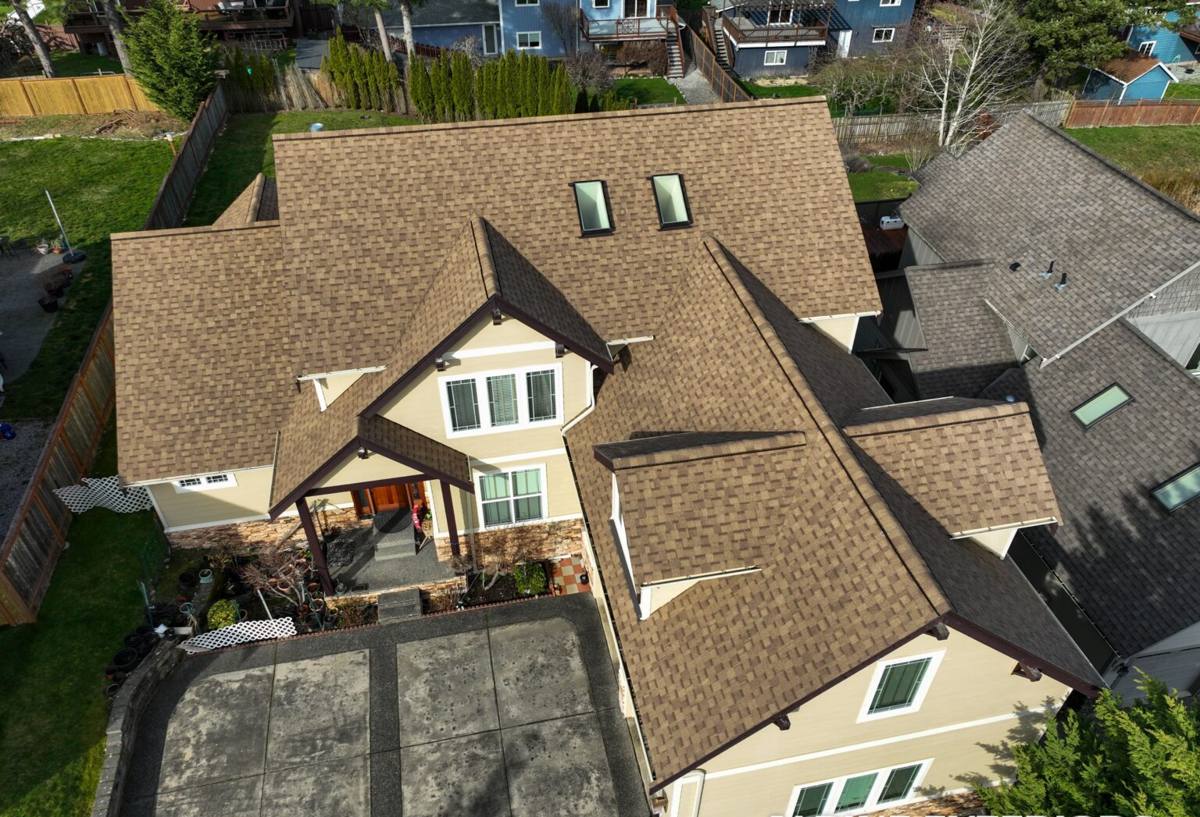
How Salt Air, Driving Rain, and Moss Shorten a Fairhaven Roof's Life
Salt Air and Metal Fatigue
Salt in the air accelerates corrosion on exposed metal — flashing, fasteners, gutter hardware, and vent caps. Once corrosion starts eating into a fastener or a flashing seam, water finds its way in long before the roof "looks" damaged from the ground. This is one of the most common causes of slow, hidden leaks we find on homes in this area.
Driving Rain and Wind-Driven Water
Storms in this part of Whatcom County tend to bring rain sideways, not straight down. Wind-driven rain gets pushed up under shingle edges, around chimney and skylight flashing, and into any gap that a calmer rain would never reach. A roof can be technically watertight in normal conditions and still leak every time a real storm rolls through, because the water is attacking it from an angle it wasn't sealed for.
Moss and Trapped Moisture
The long, cool, damp season here gives moss plenty of time to establish itself, especially on north-facing slopes and shaded sections of roof. Moss holds moisture against the roofing material far longer than open air would, which softens shingles, works fasteners loose, and gradually lifts roofing at the edges. Left alone, moss doesn't just look bad — it actively shortens the life of the roof underneath it.
What Counts as Storm Damage (and What Doesn't)
Not every roof issue after a windy, wet stretch is "storm damage" in the insurance or repair sense. Being honest about the difference matters, because it affects both the repair approach and whether it's worth filing a claim.
- Storm damage: shingles torn or lifted by wind, flashing bent or ripped loose, punctures from falling branches, sudden new leaks tied to a specific storm date.
- Age and wear, accelerated by climate: granule loss, brittle or curling shingles, moss-related lifting that built up over seasons, corroded fasteners from long-term salt exposure.
- Pre-existing issues a storm exposed: a poorly sealed flashing detail or an undersized underlayment that finally failed once a hard storm tested it.
All three categories need to be repaired, but only true storm damage is typically eligible for an insurance claim. A straightforward roof inspection after a storm will tell you which category you're actually dealing with.
Our Storm Damage Repair Process
1. Inspection and Documentation
We start with a full roof inspection, not just a look at the spot where the leak showed up inside. Water rarely travels straight down from where it enters, so a leak stain on a ceiling can point to damage several feet away on the roof surface. We document what we find with photos, both for your records and for any insurance claim.
2. Temporary Protection, If Needed
If a storm has left an active opening — torn-off shingles, exposed underlayment, damaged flashing — the first priority is stopping additional water intrusion. That might mean a tarp or temporary patch while a full repair is scheduled, especially if more weather is on the way.
3. Root-Cause Repair
We repair the damage itself, but we also address why that section was vulnerable. If a fastener corroded and let a shingle lift, we're not just re-nailing that shingle — we're checking the surrounding fasteners for the same wear. If moss contributed to the failure, we clear it properly and treat the area so it doesn't come right back.
4. Final Check and Walkthrough
Once the repair is done, we walk the roof again to confirm everything is sealed, fastened, and shedding water the way it should, and we go over what we found and fixed with you directly.
Materials and Methods for Coastal Whatcom County Conditions
Not every repair material performs the same way once salt air and constant moisture are part of the equation. The table below covers the general trade-offs we weigh when repairing or replacing sections of roof in this area.
| Material / Component | Performance in This Climate | Our Approach |
|---|---|---|
| Standard steel fasteners | Prone to corrosion from salt air over time | Use corrosion-resistant fasteners rated for coastal exposure where the roof structure allows |
| Asphalt shingles | Reliable and cost-effective, but granule loss and edge-lifting can accelerate with constant damp and moss | Repair with matching product, address underlying moss and ventilation issues at the same time |
| Metal flashing | Vulnerable at seams and fastener points if not properly sealed against wind-driven rain | Re-seal and re-secure with materials suited to sideways rain, not just vertical runoff |
| Underlayment | Older or thin underlayment is a common weak point once shingles are compromised | Upgrade underlayment during repair when the roof surface is already opened up |
| Moss-prone shaded slopes | Holds moisture longest, ages roofing fastest | Physical removal plus a maintenance plan, not just a one-time treatment |
Insurance and Storm Claims: What to Know
If a specific storm caused clear, datable damage — torn shingles, a branch strike, flashing ripped loose in high wind — it's often worth checking with your insurer about a claim before paying out of pocket. A few things help that process go smoothly:
- Get an inspection soon after the storm, while the damage is clearly tied to that event.
- Keep photo documentation of both the damage and the repair.
- Get a written scope of work and cost estimate, not just a verbal quote.
- Understand your policy's distinction between storm damage and normal wear before you file — adjusters make that same distinction.
We're happy to provide the documentation and estimate an adjuster will ask for. We don't handle the claim itself, but a clear, honest scope of work makes that conversation easier on your end.
Signs You Need a Roof Inspection After a Storm
A lot of storm damage doesn't announce itself right away. These are the signs worth checking for after any significant wind or rain event in the Fairhaven area:
- Shingles or granules in the gutters or on the ground after high wind
- New or worsening water stains on ceilings or interior walls
- Visibly lifted, curled, or missing shingles from the ground
- Bent, loose, or missing flashing around chimneys, vents, or skylights
- Sagging or soft spots when walking near the roofline, viewed from a ladder or attic
- Daylight visible through the roof deck from inside the attic
- A sudden increase in moss or dark streaking on one section of roof
If you notice any of these, it's worth having it looked at before the next storm turns a small repair into a bigger one.
Why Hire a Crew That Already Works in Fairhaven
Roofing crews that don't work coastal Whatcom County regularly can miss things that matter here — under-sealing against wind-driven rain because they're used to calmer weather patterns, or treating moss as a cosmetic issue rather than a structural one. A crew that already works in and around Fairhaven and Ferndale knows which slopes tend to hold moisture the longest, which flashing details tend to fail first in this wind pattern, and what a repair actually needs to hold up through a real Whatcom County winter, not just pass inspection on a dry day.
Local experience also means faster response. When a storm damages several roofs in the same area at once, a crew already working nearby can get to your home sooner than one dispatching from farther away.
Maintenance to Prevent the Next Storm from Doing More Damage
Storm damage repair holds up longer when it's paired with basic seasonal maintenance. A few habits go a long way in this climate:
- Clear gutters and downspouts before the fall rains start, so water isn't backing up under roof edges
- Have moss removed before it spreads, rather than waiting until it's visible from the street
- Trim back tree limbs that overhang the roof, reducing both moss cover and branch-strike risk
- Schedule a roof check after any unusually strong wind event, even if nothing looks wrong from the ground
None of this eliminates storm risk entirely — no roof is immune to Whatcom County weather — but it does reduce how often small issues turn into repair calls.
If a recent storm has you wondering whether your roof came through it okay, we're glad to take a look. Reach out using the form below for a free, no-pressure estimate — no obligation, just an honest read on where your roof stands.