 Ferndale Siding
 Windows in Point Roberts Take a Different Kind of Beating
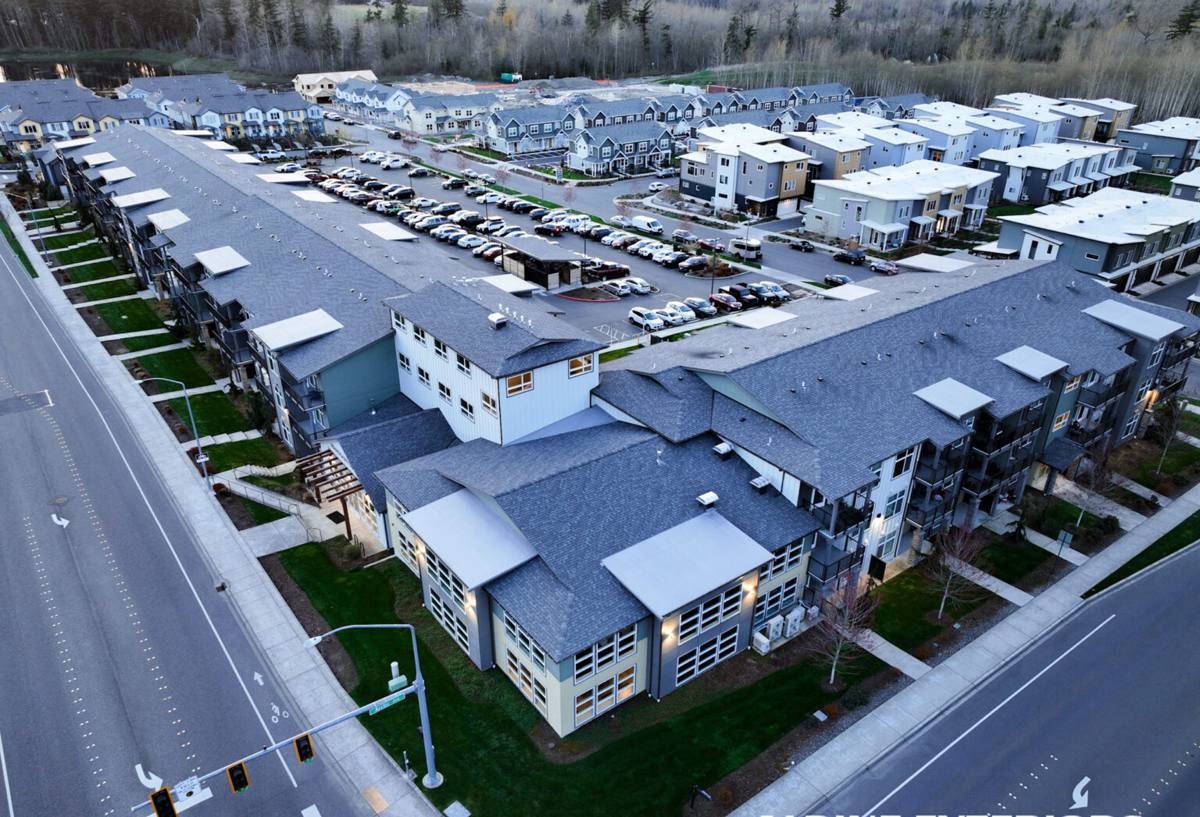
Point Roberts sits out on its own peninsula, surrounded by water on three sides, which means every window on a home there is dealing with conditions most inland Whatcom County houses never see. Salt-laden air off the Strait of Georgia works on aluminum frames, hardware, and exposed fasteners year-round. Add in driving rain that comes sideways during winter storms, and a moss and mildew season that stretches long into the wet months, and you have a climate that finds every weak point in a window system eventually. We're a Ferndale-based crew, and Point Roberts is part of our regular service area — we're not driving out for a one-off job and guessing at what the local exposure calls for.
This page is specifically about window replacement for Point Roberts homes. Not a general product pitch — the actual decisions and trade-offs that matter for houses sitting in that salt-air, high-wind-driven-rain environment.
What Salt Air and Coastal Exposure Actually Do to a Window
Frame and Hardware Corrosion
Salt air accelerates corrosion on anything metal — hinges, cranks, locks, and especially lower-grade aluminum frames or cladding. Once corrosion starts on hardware, windows get harder to open and close, latches stop seating properly, and that's when air and water start finding their way in around the sash. Homes closer to the water see this faster than homes set back, but on a peninsula like Point Roberts, almost no property is truly sheltered from it.
Moss, Mildew, and Trapped Moisture
The long wet season in this part of Whatcom County means moss and mildew get a real foothold anywhere moisture sits — on sills, in corners of frames, in any gap where wood or composite material stays damp instead of drying out. A window that's properly flashed and sealed sheds that water. One with failing caulk or a compromised sill lets it collect, and once moisture is trapped behind trim or in a frame cavity, rot follows even if the surface looks fine.
Wind-Driven Rain
Storms coming across open water hit window seals harder than rain falling straight down. Weak points — old caulking, worn weatherstripping, a sill pan that was never installed correctly — get tested every time a system rolls through. This is usually where homeowners first notice a problem: water staining on interior trim, a drafty feeling near the window, or condensation between panes on older double-glazed units.
Signs a Point Roberts Home Needs Window Replacement, Not Just Repair
- Fogging or moisture between panes — the seal on the insulated glass unit has failed and can't be restored
- Frames that are soft, discolored, or show corrosion that hardware adjustment won't fix
- Windows that won't stay latched, or that have visibly warped out of square
- Persistent drafts you can feel even with the window fully closed and locked
- Water staining or bubbled paint on interior trim below or around the window
- Rising energy bills with no other explanation, especially in a home with older aluminum-frame single-pane or early dual-pane windows
- Difficulty operating the window smoothly — sticking, grinding, or hardware that's seized
Repair makes sense when the frame is sound and the problem is isolated — a failed seal on one unit, a hardware issue, a caulk failure that hasn't led to rot yet. Replacement is the right call once the frame material itself is compromised or once several windows on the same exposure are showing the same wear pattern, which is common on the water-facing sides of Point Roberts homes.
What a Correct Window Replacement Job Involves Here
Frame Material Choice
Given the salt air, we steer homeowners toward frame materials and finishes that hold up to coastal exposure without high maintenance demands — vinyl and fiberglass frames generally outperform bare or lower-grade aluminum in this environment, since they don't corrode the same way and don't need the same upkeep to stay weathertight. This isn't a knock on aluminum as a category; it's about matching the frame to the exposure. On a protected inland lot the calculus can be different. On an open, water-facing lot in Point Roberts, we'd rather steer you toward something that won't need hardware replaced or refinishing within a few years.
Flashing and Sill Pan Detail
This is where most premature window failures actually start, and it's almost never visible once the job is done wrong. A proper installation includes a sloped sill pan and correctly lapped flashing tape so that any water that does get past the exterior trim sheds back out instead of pooling against the rough opening. Skipping or rushing this step is the single most common cause of hidden rot behind "new" windows — we see it on repair calls more than any other issue.
Sealant and Weatherstripping Rated for the Exposure
Caulk and sealant break down faster under constant salt air and UV exposure. We use products rated for that kind of duty, not whatever's cheapest, and we don't rely on caulk alone to do the flashing's job.
Glass Package
Double-pane, low-E glass with argon fill is the standard baseline for this climate — it manages both the heat loss from Whatcom County winters and some sound dampening, which matters if the home is near any road noise or exposed to wind. Triple-pane is worth discussing for homes with heavier exposure or higher energy goals, but it's a real cost step up and not automatically the right call for every project.
| Factor | Coastal-Grade Approach | Standard Inland Approach |
|---|---|---|
| Frame material | Vinyl or fiberglass, corrosion-resistant hardware | Wider range of options including standard aluminum |
| Flashing/sill pan | Non-negotiable, sloped pan + lapped tape | Still required, but exposure risk is lower if skipped |
| Sealant grade | UV- and salt-rated sealant, higher-spec products | Standard exterior sealant typically sufficient |
| Hardware | Corrosion-resistant finishes prioritized | Standard finishes generally hold up fine |
| Inspection cadence | Annual check recommended given exposure | Every 2-3 years is often adequate |
Our Process for a Point Roberts Window Job
1. On-Site Assessment
We look at every window being considered for replacement, note the exposure on each elevation of the house, and check for any existing moisture or rot around the openings. Water-facing sides often need different attention than the sheltered side of the same house.
2. Honest Scope and Options
We'll tell you plainly which windows need replacement now, which could be repaired, and which are fine. We're not interested in selling a full-house replacement when three windows are the actual problem.
3. Accurate Measurement and Ordering
Replacement windows are ordered to the actual rough opening, not a generic size, so the finished install fits tight without excessive shimming or gaps that become future leak points.
4. Removal and Opening Inspection
Once the old window is out, we inspect the rough opening for hidden damage — this is often the first real look anyone's had at that framing in years, and on older Point Roberts homes it's not unusual to find some degree of moisture damage that needs to be addressed before the new window goes in.
5. Correct Installation
Sill pan, flashing, window, insulation, interior and exterior trim, sealant — done in the right order, not shortcuts stacked to save an hour.
6. Walkthrough
We check operation on every window before we consider the job done, and we walk you through what to look for over the first year.
Why a Ferndale Crew That Already Works Point Roberts Matters
Point Roberts is a bit of an outlier logistically — it's part of Whatcom County but separated from the rest of it, and reaching it takes planning, not a quick same-day trip for a lot of contractors based further away. A crew that already works the area regularly isn't scrambling to figure out logistics, isn't treating the trip as a hassle to be minimized, and has actually seen what this exposure does to windows over time rather than working from a generic playbook. That matters when it comes to material recommendations, flashing details, and simply showing up reliably for the full length of a project.
We're not a national chain reciting a script — we're a local siding and exterior crew out of Ferndale that treats Point Roberts as part of our regular territory, not a special trip.
What Point Roberts Homeowners Should Budget For
Costs vary based on window count, size, frame material, and glass package, so we won't quote a number here that wouldn't hold up once we've actually seen your home. In general terms, expect coastal-grade frame materials and proper flashing detail to cost more up front than the cheapest available option — that difference is what buys you a window system that isn't fighting corrosion and moisture intrusion within a few years. We'll walk through real numbers for your specific windows during an on-site estimate.
Maintenance That Extends Window Life on the Peninsula
- Rinse salt residue off frames and glass periodically, especially after storms
- Keep weep holes clear of debris so water can drain out of the frame properly
- Check and refresh exterior caulk lines every year or two rather than waiting for visible failure
- Operate hardware regularly — cranks and latches that sit unused seize up faster in salt air
- Watch for moss buildup on sills and nearby trim, and clear it before it holds moisture against the frame
If you're dealing with drafty, corroded, or failing windows on a Point Roberts home, we're glad to come take a look. Reach out for a free, no-pressure estimate — our crew will walk your home, tell you honestly what needs replacing and what doesn't, and give you real numbers based on your actual windows and exposure. The form below gets you started.