 Ferndale Siding
 Building Decks That Hold Up in Fairhaven's Marine Climate
Fairhaven sits close enough to the water that its weather behaves differently than inland Whatcom County. Salt-laden air moves through the trees and settles on everything outside, driving rain comes in sideways off the water more often than straight down, and the mild, wet winters mean moss and algae get a long head start every year. A deck built here needs to be built for exactly those conditions, not for a generic Pacific Northwest forecast.
We build and repair decks throughout the Ferndale area, including Fairhaven, and the difference between a deck that lasts fifteen-plus years and one that starts failing in five almost always comes down to decisions made before the first board goes down: how the frame handles water, what fasteners went into it, and whether the materials were chosen for a coastal environment or just picked off a lumber rack.
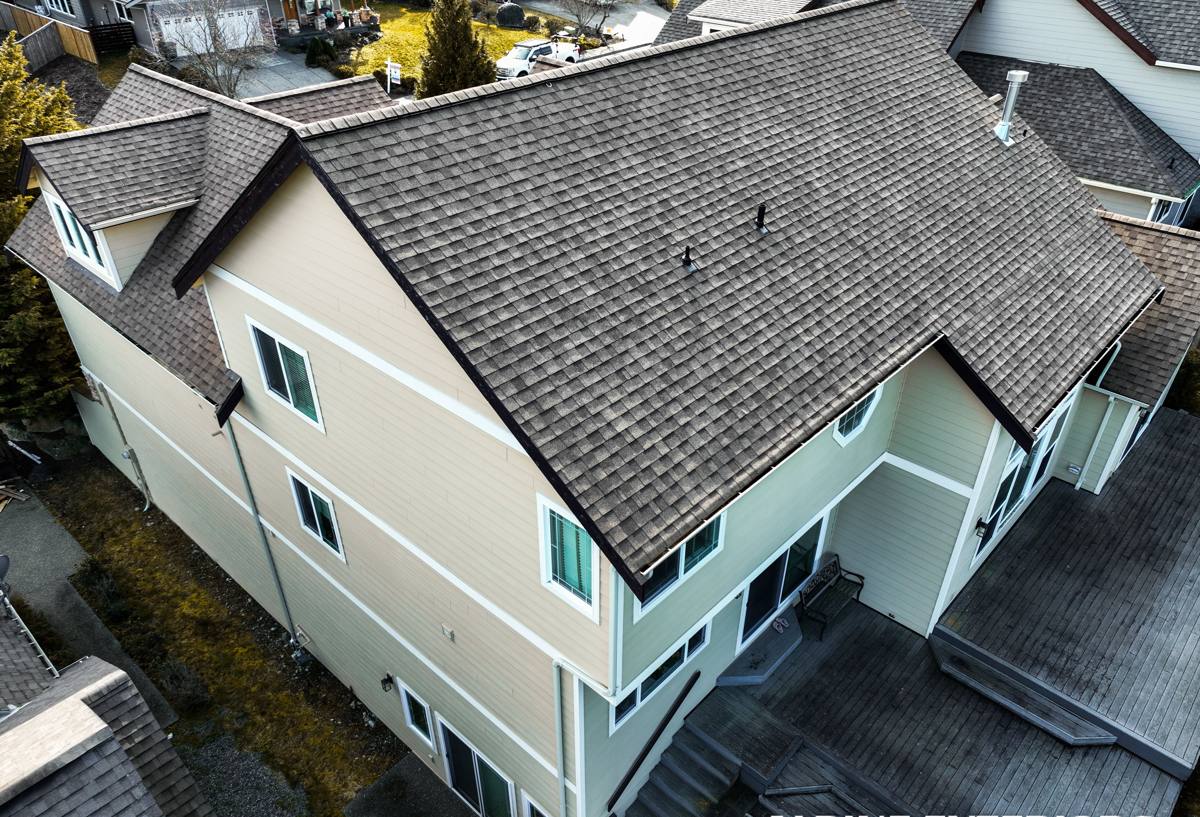
What Salt Air and Long Wet Seasons Do to a Deck
Understanding the failure points helps explain why we build the way we do.
Moisture That Never Fully Dries Out
Whatcom County's driving rain doesn't just fall on a deck, it drives into seams, under railing posts, and behind ledger boards where sun and wind rarely reach. Combined with our short, cool summers, wood in shaded or low-airflow spots can stay damp for weeks at a stretch. That's the environment rot and fungal decay need to get established.
Salt Air and Metal Fasteners
Salt in the air accelerates corrosion on anything metal — nails, screws, joist hangers, railing brackets. Standard electro-galvanized hardware that would last for decades inland can start rusting and staining within a few seasons this close to the water. Corroding fasteners aren't just an eyesore; a rusted-through joist hanger is a structural problem.
Moss, Algae, and Surface Wear
Moss doesn't just grow on roofs. Deck boards, especially on the north or shaded side of a house, collect moss and algae through fall, winter, and spring. Beyond looking bad, a mossy deck surface holds moisture against the board and gets slick and genuinely dangerous underfoot.
Choosing Decking Material for a Coastal Property
There's no single right answer for every home, but there is a right conversation to have before you commit. Here's how the common options actually perform in Fairhaven's climate, not just on a showroom sample.
| Material | Moisture & Salt Air Behavior | Maintenance | Typical Lifespan |
|---|---|---|---|
| Pressure-treated wood | Resists rot with proper sealing, but end grain and fastener holes are vulnerable; needs the seal maintained | Annual cleaning and re-sealing recommended | 10-15 years with upkeep |
| Cedar | Naturally rot- and insect-resistant, but softer surface weathers and grays without regular oiling | Regular oiling or staining to preserve color and protect surface | 15-20 years with upkeep |
| Composite (capped) | Doesn't absorb moisture the way wood does; capped shell resists staining and salt residue | Occasional washing, no sealing or staining | 25-30+ years, manufacturer-dependent |
| Composite (uncapped) | More moisture-resistant than wood but the exposed core can absorb some water and moss over time | Periodic cleaning; more prone to surface staining than capped versions | 15-25 years |
In a straight salt-air, high-moisture environment like Fairhaven, capped composite is generally the lowest-maintenance option over the life of the deck, but it also carries the highest upfront cost. Cedar and treated wood remain honest, budget-friendly choices as long as the homeowner is realistic about the annual upkeep they require. We'll walk through the real trade-offs for your specific site — sun exposure, shade, and how much maintenance you actually want to do — rather than pushing one product.
Framing and Structural Details That Matter Here
The decking surface gets all the attention, but the frame underneath is what determines whether a deck is safe and long-lasting. This is where corners get cut on lower-end builds, and it's where coastal conditions do the most damage if it's done wrong.
- Ledger board flashing: Where the deck attaches to the house needs proper flashing to keep water from working its way behind the siding — a common source of hidden rot in wet climates.
- Joist protection: Joist tape or a comparable moisture barrier on top of each joist keeps water from pooling where deck screws penetrate the wood.
- Footings below frost and water table: Footings need to be set to local code depth and positioned so they're not sitting in standing water after heavy rain events.
- Airflow underneath: Decks built low to the ground or over poorly graded soil trap moisture underneath, which shortens the life of the frame regardless of what decking material sits on top.
Fasteners and Hardware: The Part Nobody Sees Until It Fails
This is one of the most overlooked parts of a coastal deck build. Mixing metal types on a deck — say, a galvanized joist hanger with a stainless screw — can actually accelerate corrosion through a process called galvanic reaction. We match fastener and hardware types intentionally rather than grabbing whatever's on the shelf.
For homes in Fairhaven's salt-air zone, we typically recommend stainless steel or high-grade coated fasteners rated for coastal or ACQ-treated lumber use throughout the structural connections, not just on the visible decking screws. It costs more upfront than standard hardware. It also means you're not replacing rusted brackets in eight years.
How We Approach a Deck Build in Fairhaven
Every property is different, but our process follows the same sequence:
- Site walk and design conversation. We look at sun exposure, wind direction, drainage, and how the deck will actually be used before talking materials.
- Material selection based on your site, not a catalog. A shaded, north-facing deck near mature trees needs different decisions than an open, sun-exposed one.
- Permitting. Deck projects in Whatcom County commonly require a permit depending on size and height — we handle that process as part of the job.
- Framing built for moisture management first. Flashing, joist protection, and correctly matched fasteners go in before a single deck board is placed.
- Decking, railing, and finish work. Installed to manufacturer spec so warranties stay valid, with attention to gap spacing that allows for drainage and seasonal movement.
- Walkthrough and maintenance guidance. We tell you honestly what upkeep your specific material and site will need — no surprises down the road.
Keeping a Deck Ahead of Moss Season
A well-built deck still needs some seasonal attention in this climate. This is the maintenance rhythm we recommend to homeowners in the Fairhaven and greater Ferndale area:
- Sweep debris and standing leaves off the deck surface regularly through fall — trapped organic matter is what feeds moss growth.
- Clean moss and algae off the surface at least once before winter and once in early spring using a deck-safe cleaner, not a pressure washer set aggressively enough to gouge the wood or composite cap.
- Check and clear drainage gaps between boards so water isn't pooling on the surface after storms.
- Inspect railing posts and stair connections annually for movement or corrosion at the hardware.
- Re-seal or re-stain wood decking on the manufacturer's recommended schedule, typically every one to two years depending on sun exposure.
- Look underneath the deck once a year for signs of moisture buildup, rot, or pest activity that isn't visible from the top.
Why Local Experience in Fairhaven Actually Matters
Deck building isn't identical everywhere. A crew that mainly builds decks in dry inland climates can do competent work and still under-spec a project for salt air and driving rain simply because they haven't had to solve for it repeatedly. We've built and repaired decks throughout Ferndale and the surrounding Whatcom County coastline, and the material choices, flashing details, and fastener specs in this article aren't theoretical — they're what we've learned holds up here and what fails here.
Local experience also means knowing the practical side: which permit requirements apply, how local building department inspections typically go, and what wind and site drainage look like on properties near the water versus further inland. That local knowledge shows up in fewer surprises and fewer callbacks.
Get a Straight Answer About Your Deck Project
Whether you're planning a new deck, replacing an aging one, or just not sure if your current deck is holding up the way it should, we're glad to take a look and give you an honest read on your options. There's no pressure and no obligation — just a straightforward assessment from a crew that builds decks for this exact climate. Fill out the form below to request a free estimate.