 Ferndale Siding
 Windows Built for Cordata's Coastal Northwest Climate
Cordata sits close enough to the water and the marine air moving in off Bellingham Bay that homes here take on a different kind of weathering than houses further inland. Add Whatcom County's long wet season, frequent driving rain off the Strait, and the deep shade many lots get from mature evergreens, and you have a climate that is genuinely hard on window assemblies. Frames, sealants, and glazing that hold up fine in a drier climate can fail years early here if they were never suited to this environment in the first place.
Window installation is not a job where "close enough" is acceptable. A window is only as good as the flashing, sealing, and framing details behind it, and those details are exactly what determine whether a Cordata home stays dry and efficient for the next twenty-plus years or starts showing rot and drafts in five. This page covers what local homes actually need from a window installation, what correct work looks like, and how we approach the job.
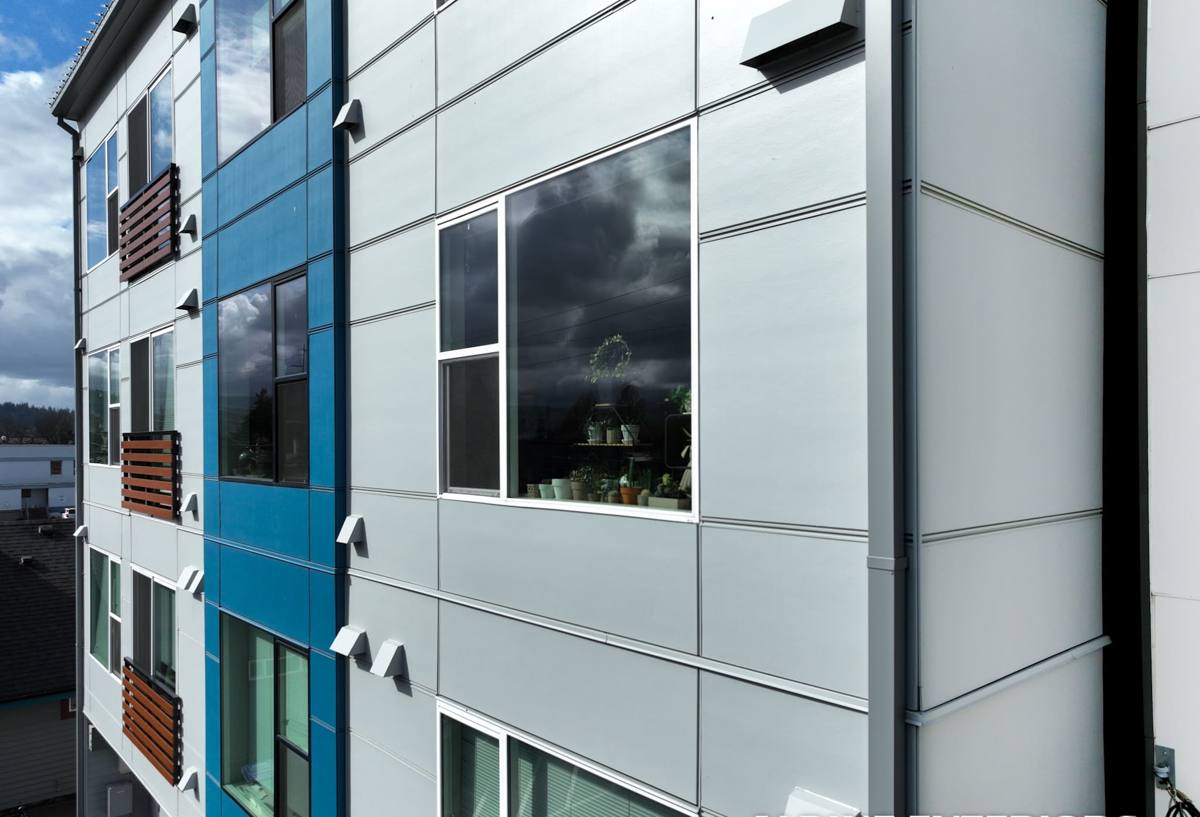
What Cordata's Weather Does to Windows Over Time
Salt Air and Hardware Fatigue
Homes anywhere near the Whatcom County coastline are exposed to a fine, near-constant salt content in the air. Over years, that salt air accelerates corrosion on window hardware — hinges, locks, balance mechanisms, and any exposed fasteners. It also breaks down cheaper sealants and finishes faster than a standard product warranty typically expects. Window products and hardware finishes that are rated for coastal or marine exposure hold up noticeably better here than budget-grade equivalents.
Driving Rain and Wind-Driven Water
Ferndale-area storms frequently bring rain sideways, not straight down. That matters enormously for window installation, because a window that would be watertight in a calm rain can still leak under wind-driven conditions if the flashing, sill pan, and weather barrier integration weren't done correctly. Most window leaks we're called to diagnose in this region trace back to installation details — not the window unit itself.
Moss, Shade, and Trapped Moisture
Many Cordata lots have significant tree cover, which means long stretches of the year with limited direct sun on the north and east-facing walls. That shade keeps moss and algae established on siding, trim, and window sills far longer than it would in a sunnier microclimate. Moss and organic growth around a window opening hold moisture against the frame and trim, which is a slow but steady contributor to wood rot and sealant breakdown if it's never addressed.
Signs a Cordata Home Needs New Windows
Window failure is usually gradual, and homeowners often adjust to small problems without realizing how much they're costing in comfort and energy use. Watch for:
- Visible condensation or fogging between the panes of a double-pane window (a sign the seal has failed)
- Soft, discolored, or spongy wood on the sill, jamb, or exterior trim
- Drafts you can feel near the window frame even when it's fully closed and locked
- Windows that are difficult to open, close, or lock, or that no longer stay open on their own
- Visible gaps, cracked caulking, or peeling paint concentrated around the window opening
- Noticeably higher heating bills in a room with older or single-pane windows
- Persistent moss, algae, or dark staining on the sill or the siding just below the window
- Water staining on interior drywall or trim near a window after a storm
What a Correct Window Installation Actually Involves
Removing the Old Window Without Damaging the Wall
The removal step is where hidden problems usually surface. Pulling the old window exposes the rough opening, and that's when we can see whether there's existing rot, prior water intrusion, or framing damage that needs to be repaired before a new window goes in. Installing a new window over a compromised opening just hides the problem temporarily — it doesn't solve it.
Flashing and the Weather-Resistive Barrier
This is the step that determines whether a window actually keeps water out under driving rain. Flashing tape and a sill pan need to be integrated with the home's existing weather-resistive barrier in the correct shingle-lap order — top piece overlapping the one below it — so that any water that reaches the opening is directed back out, not trapped behind the siding. Skipping or rushing this step is the single most common cause of the water intrusion we see in window openings.
Setting, Shimming, and Leveling
A window needs to be set plumb, level, and square, then shimmed at the correct load-bearing points so the frame doesn't bow or bind. A window that's slightly out of square may still look fine on installation day but will operate poorly and stress its seals over time.
Sealing and Insulating the Gap
The gap between the window frame and the rough opening gets filled with a low-expansion insulating material — not packed solid with standard foam, which can bow the frame. This step controls both drafts and the risk of interior condensation at the frame edge during cold, wet weather.
Trim and Exterior Weatherproofing
The final exterior seal — caulking, trim, and any drip cap — has to be sized and placed correctly for the siding type it's meeting. This is also a good moment to address any moss or growth on adjacent siding so the new window isn't immediately sitting next to a moisture source.
Choosing the Right Window Material for This Climate
There's no single "best" window material for every home — it depends on budget, the home's style, and how much upkeep an owner wants to take on. Here's how the common options compare for a wet, coastal-influenced climate like Cordata's:
| Material | Moisture & Salt-Air Resistance | Maintenance | Typical Lifespan |
|---|---|---|---|
| Vinyl | Good — won't rot or corrode, though hardware quality varies by manufacturer | Low — occasional cleaning, no painting | 20–30 years |
| Fiberglass | Very good — dimensionally stable in wet/dry cycling, resists warping | Low | 30+ years |
| Wood-clad (exterior-clad) | Good on the clad exterior; the wood interior needs the seal to stay intact | Moderate — clad exterior is low-upkeep, interior wood needs periodic attention | 20–30 years with proper maintenance |
| Aluminum | Fair — conducts cold and can corrode faster in salt air unless it's a marine-rated finish | Low to moderate | 15–25 years |
For homes closer to the water or with heavier tree shade, we generally steer owners toward vinyl or fiberglass for the exterior-facing performance, and explain the trade-offs honestly rather than pushing a single product line. The right choice also depends on matching the new window's style to the rest of the home, especially on a street where consistency matters for curb appeal.
Our Installation Process
- On-site assessment: We look at each window opening, check for existing rot or moisture issues, and take accurate measurements.
- Product selection: We walk through material, style, and glass options that fit the home and the budget, without upselling features that don't add real value in this climate.
- Scheduling and prep: Windows are ordered to the exact opening size, and we plan the work around Whatcom County's weather so exposed openings aren't left vulnerable.
- Removal and installation: Old units come out, any framing repairs happen first, then the new window goes in with correct flashing, shimming, sealing, and trim work.
- Cleanup and walkthrough: We clear debris and walk the homeowner through each new window's operation and any care recommendations specific to its material.
What Affects the Cost of Window Installation
Every home is different, so we avoid quoting numbers before seeing the actual openings — but the main cost drivers are consistent from job to job:
| Factor | Why It Matters |
|---|---|
| Number and size of windows | More or larger openings mean more material and labor |
| Material and glass package | Vinyl, fiberglass, and wood-clad carry different unit costs; upgraded glass adds cost but also performance |
| Condition of the existing opening | Rot or framing repair found during removal adds time and material before the new window goes in |
| Accessibility | Second-story windows or hard-to-reach openings take more setup time |
| Full-frame vs. insert replacement | Full-frame replacement (removing down to the rough opening) costs more than an insert but is often the correct call when there's water damage or the frame is undersized |
We always give a homeowner an honest read on which approach — insert or full-frame — actually fits their situation, rather than defaulting to whichever is faster for us.
Why Hire a Crew That Already Works in Cordata
Window installation done correctly is a details job, and the details that matter most in this area are specific to the climate: how flashing needs to integrate with common Whatcom County siding types, how much clearance to leave for drainage given the amount of rain the area gets, and how to spot early moss and moisture damage before it becomes a structural repair. A crew that regularly works Ferndale and the surrounding Cordata area has already seen how local homes age and what tends to fail first, which means fewer surprises during the job and a better sense of what will actually hold up here long-term.
Local availability also matters after the job is done. If a window needs an adjustment, a seal touch-up, or a warranty question answered, it helps to be working with a crew that's a short drive away rather than waiting on a company based hours out.
Caring for New Windows After Installation
New windows are a real investment, and a little seasonal care extends their life significantly in this climate:
- Rinse frames and sills periodically to clear salt residue and organic buildup before it stains or holds moisture
- Keep weep holes (the small drainage openings along the bottom of the frame) clear of debris so water can escape properly
- Check and clean tracks on sliding or double-hung windows so hardware doesn't bind or corrode prematurely
- Trim back tree branches or foliage that keep a window in constant shade and dampness
- Re-caulk exterior trim if you notice cracking or gaps starting to form, rather than waiting for a leak
If you're weighing whether it's time to replace windows on a Cordata-area home, we're happy to take a look and give you a straightforward, no-pressure assessment. Use the form below to request a free estimate — we'll walk the property, answer your questions honestly, and let you know exactly where things stand.