 Ferndale Siding
 Storm Damage Roof Repair for Cordata-Area Homes
When a windstorm rolls off the Strait or a heavy rain system parks over Whatcom County for a few days, roofs in the Cordata area take a beating that isn't always obvious from the ground. We're a Ferndale-based crew that repairs storm-damaged roofs throughout this part of the county, and we've seen the same pattern over and over: a homeowner notices a stain on a ceiling weeks after the actual storm, by which point water has already been working its way into the sheathing and insulation. Catching storm damage early, and repairing it correctly the first time, is the difference between a same-day fix and a much bigger job.
This page covers what storm damage actually looks like on roofs in this area, what a proper repair involves, and how our process works from the first phone call to the final inspection.
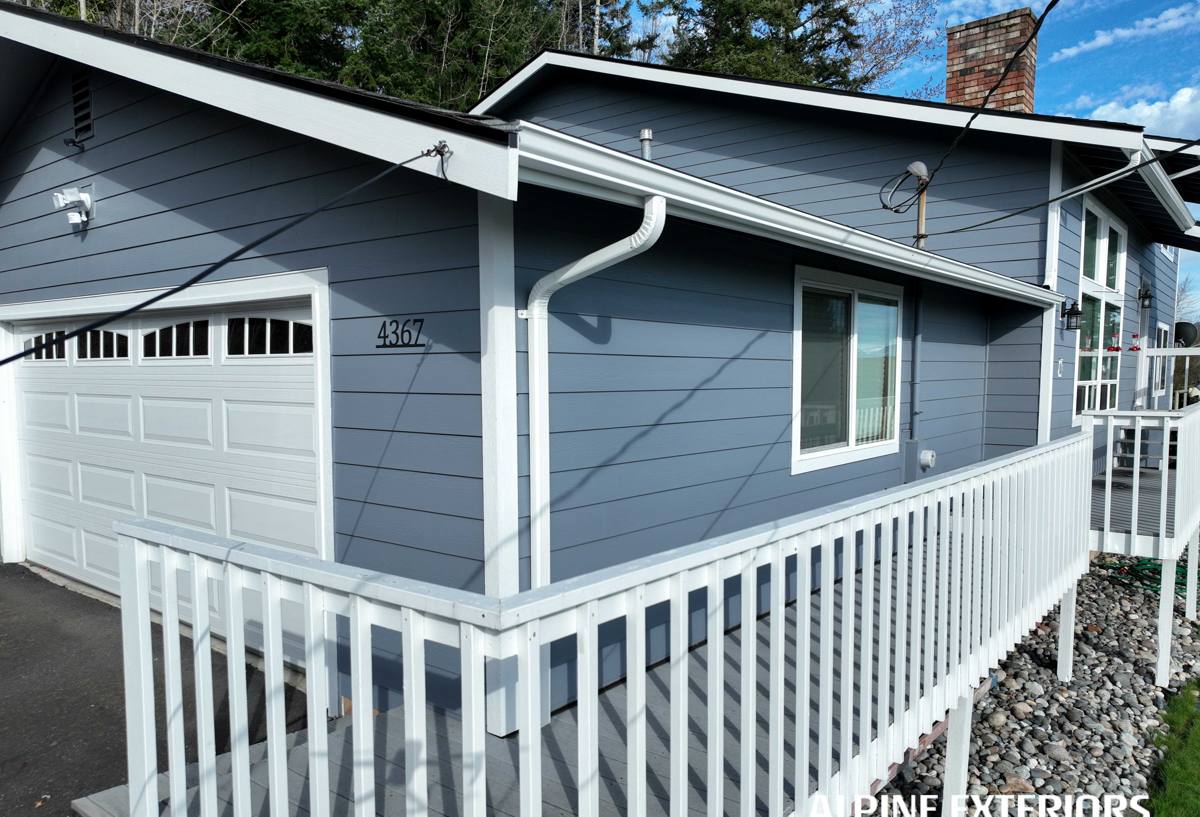
What Local Weather Does to a Roof
Whatcom County doesn't get the hail and tornado damage you'd see in other parts of the country, but it has its own combination of stresses that add up over time:
- Wind-driven rain: Storms coming off the water push rain sideways under shingle edges, flashing laps, and ridge caps that would otherwise shed water fine in a straight-down rain.
- Salt-laden air: Proximity to Puget Sound and Bellingham Bay means metal flashing, fasteners, and gutter hardware corrode faster here than they would further inland.
- Extended moss season: Cool, damp conditions for much of the year let moss and algae take hold on north-facing slopes and shaded areas, which holds moisture against the roofing material and accelerates wear.
- Wind gusts and falling debris: Mature trees are common in and around Cordata, and wind events regularly bring down branches that crack shingles, dent metal roofing, or knock loose ridge and hip caps.
None of these on their own is dramatic, but stacked together over a wet Whatcom County winter, they're exactly why storm damage here tends to be quiet and progressive rather than sudden and obvious.
What Counts as Storm Damage
Homeowners often assume storm damage means missing shingles or a hole you can see from the driveway. Most of the storm-related repair calls we get are less dramatic than that:
Common signs
- Shingles that are lifted, cracked, or creased but still mostly in place
- Granules collecting in gutters or at downspout outlets after a windy rain
- Flashing around chimneys, vents, or skylights that's been bent, loosened, or pulled away slightly
- A ridge cap or hip cap that's cracked or shifted out of line
- Water staining on an interior ceiling or attic sheathing that appeared after a storm, even if the roof looks fine from below
- Branch strikes that left dents, punctures, or splits
The tricky part is that a lifted shingle or a slightly bent flashing edge doesn't always leak right away. It leaks the next time wind pushes rain at the right angle, which might be weeks later. That's why we inspect the whole roof plane and its flashing details after a storm call, not just the spot the homeowner points to.
Our Repair Process
1. Inspection and documentation
We walk the roof (or use a ladder and binoculars where pitch or safety doesn't allow foot traffic) and check every vulnerable point: shingle edges, valleys, penetrations, ridge lines, and gutter attachment. We photograph what we find and explain it in plain terms, no scare tactics, no pressure.
2. Honest scope of work
We tell you what actually needs to happen: a spot repair, a partial re-roof of a damaged section, or in some cases a recommendation to hold off because the damage is cosmetic and not a moisture risk. We'd rather under-sell a job than have you pay for work you didn't need.
3. The repair itself
Depending on what we find, this might mean replacing individual shingles and matching them as closely as possible to the surrounding roof, resetting or replacing flashing, re-securing ridge or hip caps, or addressing damaged decking underneath if water has gotten that far. We always check the layer beneath the shingles when there's been active leaking, since a repair on top of wet or rotted sheathing won't hold.
4. Cleanup and follow-up
We clear debris, check gutters for granule buildup that can point to more general wear, and leave you with a clear explanation of what was done and what to keep an eye on going forward.
Repair vs. Replace: How We Decide
Not every storm-damaged roof needs a full replacement, and not every roof can be patched indefinitely. Here's the general framework we use when a homeowner asks which way to go:
| Factor | Leans toward repair | Leans toward replacement |
|---|---|---|
| Age of roof | Under 10-12 years | Near or past expected material lifespan |
| Extent of damage | Isolated to one slope or area | Spread across multiple planes |
| Underlying decking | Dry, sound sheathing | Soft spots, rot, or repeated past leaks |
| Moss/algae condition | Light, surface-level growth | Heavy growth affecting multiple sections |
| Shingle matching | Discontinued or badly faded material, mismatch would be minor | Mismatch would be highly visible or material is unavailable |
Most storm calls in the Cordata area fall on the repair side of this table. Full replacement usually comes up when storm damage exposes a roof that was already near the end of its service life.
Moss, Algae, and Long-Term Roof Health
Storm repair and moss control are related problems in this climate. A roof with heavy moss holds moisture longer after every rain, which softens shingle edges and makes them easier to lift in wind. When we repair storm damage, we also look at moss and algae growth on the rest of the roof and flag it if it's contributing to the problem, since a repair next to an untreated moss mat won't hold up as well as one on a roof that's been kept clean. We don't push unnecessary treatments, but we'll tell you plainly if moss is shortening your roof's life.
Materials We Use and Why
For repairs, matching your existing roofing material as closely as possible matters both for appearance and for how the repair performs. A few notes on our approach:
- We match shingle type, weight, and profile as closely as the market allows rather than using whatever is on the truck.
- We use corrosion-resistant flashing and fasteners given the salt air common to this part of the county, even when it costs a bit more than standard hardware.
- We're selective about sealants and adhesives in wet climates, since some products that work fine in drier regions don't hold up under Whatcom County's extended damp season. We use products rated for sustained moisture exposure, not just quick installation.
- Where a full section needs replacing, we'll talk through material options honestly, including the maintenance and moisture trade-offs of each, rather than steering you toward the highest-margin product.
Insurance and Documentation
Many storm repairs go through homeowners insurance. We provide clear photo documentation of the damage and our findings, which you can hand directly to your adjuster. We're happy to walk the roof with an adjuster if that's useful, but we work for you, not the insurance company, and our scope of work reflects what the roof actually needs rather than what maximizes a claim.
Why a Local Ferndale Crew Matters
Storm damage repair isn't a one-visit transaction. We're based in Ferndale and work the Cordata area regularly, which means we already understand how local wind patterns hit certain roof orientations harder than others, how quickly moss reestablishes here, and which flashing details tend to fail first in homes built in this region. It also means if a repair needs a follow-up check after the next big rain, we're not driving in from out of the area to do it. A roof repair is only as good as the crew's willingness to stand behind it after the work is done.
After a Storm: A Quick Check You Can Do Yourself
Before calling anyone, a homeowner can safely check a few things from the ground:
- Look at gutters and downspouts for shingle granules after a windy rain
- Check the attic (if accessible) for damp insulation, staining, or daylight coming through anywhere it shouldn't
- Look for shingles or ridge caps visibly out of line from the street or a neighboring vantage point
- Note any large branches that came down near the roofline, even if they didn't appear to hit the house
- Check ceilings in upper rooms for new discoloration in the days after a storm
If you notice any of these, it's worth getting an inspection sooner rather than later. Small storm damage is cheap and quick to fix; the same damage left through a second or third storm usually isn't.
If your roof took a hit in a recent storm, or you just want a second set of eyes before the next one rolls through, we're glad to come take a look. Use the form below for a free, no-pressure estimate.