 Ferndale Siding
 Blaine's Exposure Is Different, and Siding Has to Answer for It
Homes near Blaine sit close enough to salt water and open weather systems that siding takes a different kind of beating than it does further inland. Salt-laden air accelerates corrosion on fasteners and trim, wind-driven rain gets pushed sideways into laps and joints that would stay dry in a calmer spot, and the long, damp shoulder seasons common to Whatcom County give moss and algae months at a time to get established on anything that holds moisture. None of this is dramatic on its own. It's cumulative. A siding system that's merely "good enough" in a sheltered subdivision can start showing real wear on a Blaine-area home years earlier, because it's absorbing more punishment every single season.
That's the lens we install through here. This page focuses on one job — siding installation for homes in and around Blaine — and what it actually takes to get it right in this specific stretch of coastline, not a generic description of how siding goes on.
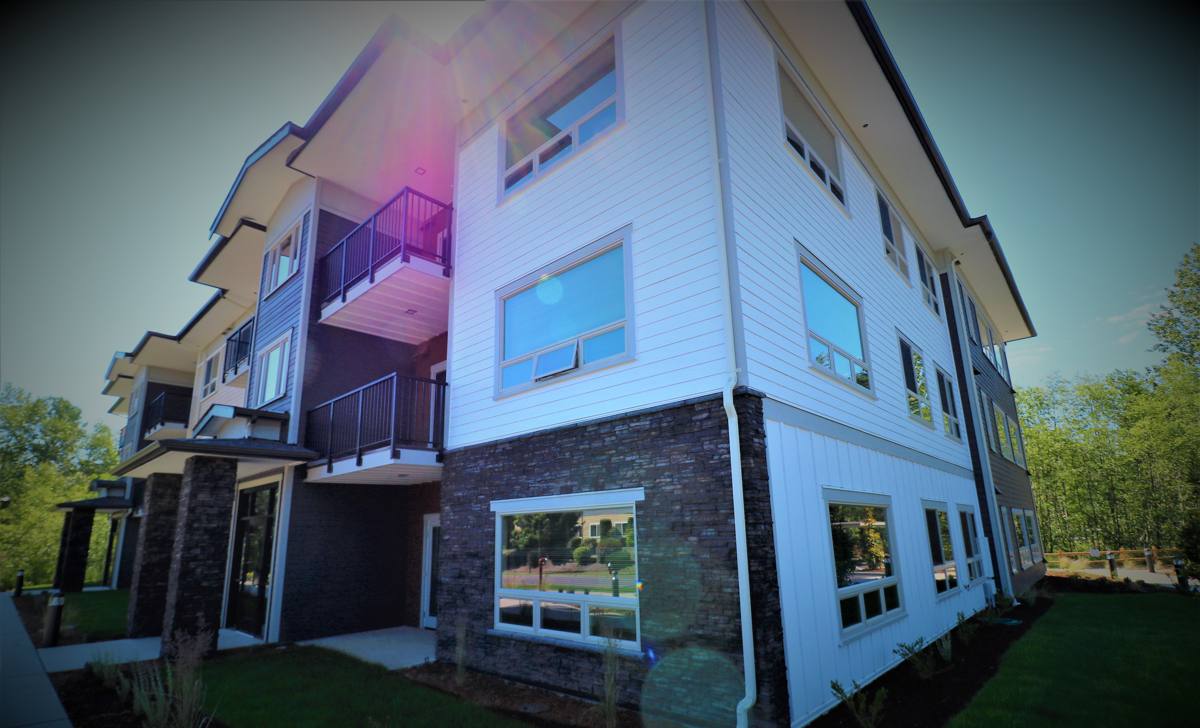
What Salt Air and Driving Rain Actually Do to a Wall System
It helps to understand the failure mechanisms before talking about the fix.
Salt Air
Airborne salt is corrosive to exposed metal — nail heads, flashing edges, trim fasteners — and it doesn't need to be a beachfront lot to matter. Coastal air carries salt further inland than most homeowners expect, especially with prevailing wind off the water. Corroded fasteners loosen, streak the siding face, and eventually let water in at the exact point they were supposed to keep it out.
Driving Rain
Rain that falls straight down is the easy case. Rain pushed sideways by wind finds every horizontal lap, every butt joint, every place where two pieces of siding meet, and tries to work its way behind the cladding. A wall system built for calm weather assumes gravity does most of the work. A wall system built for Blaine has to assume water will be forced upward and sideways at some point every winter.
Moss and Algae Season
Whatcom County's damp, mild winters and shaded, humid microclimates near the water give organic growth a long runway. Moss and algae don't just look bad — sustained moisture at the siding surface, especially on north-facing walls and anything shaded by trees, slowly degrades paint film and, on the wrong substrate, the material underneath it.
What a Correct Siding Installation Involves
Siding is a system, not a single layer. The visible boards get most of the attention, but the parts nobody sees are what decide whether the job holds up.
- Weather-resistive barrier: a continuous drainage plane behind the siding that manages any moisture that gets past the cladding, lapped correctly from the bottom up so water is always shed outward and down.
- Flashing at every penetration: windows, doors, hose bibs, vents, and anywhere else the wall plane is interrupted — each one needs flashing integrated with the weather barrier, not just caulked over.
- Rainscreen or drainage gap: a small air gap behind the siding lets any incidental moisture drain and dry instead of sitting against the wall assembly — increasingly important given how much wind-driven rain this area sees.
- Correct fastening: the right fastener type, length, and spacing for the specific product and substrate, driven correctly — not overdriven, not underdriven — since fastening errors are one of the most common causes of early siding failure.
- Proper joint and lap detailing: butt joints backed and sealed correctly, laps with adequate exposure, corners detailed so water can't track behind them.
- Factory-finished or correctly field-finished surface: a finish that's actually rated for the UV, moisture, and salt exposure it will see, not just whatever looked good on the sample board.
Skip or shortcut any one of these and the siding can still look fine for a year or two. The problems that show up later — streaking, soft spots, paint failure, moss taking hold in ways that won't scrub off — usually trace back to one of these details being missed at install, not to the siding material failing on its own.
Why We Install Only James Hardie Fiber Cement
We don't install vinyl, LP SmartSide, primed spruce or cedar, or other fiber cement brands. That's a deliberate standard, not a sales pitch, and it matters more in a climate like this one than it would somewhere drier and calmer.
Vinyl is affordable and low-maintenance in mild conditions, but it's a thin material that can warp with temperature swings and doesn't hold up as well against sustained wind-driven rain and impact. Wood-based products like LP SmartSide or primed spruce depend on an intact factory or field coating to keep moisture out — once that coating is compromised at a cut edge, a fastener hole, or a joint, wood-based substrates can swell and soften, and salt air combined with a long wet season doesn't give a compromised coating much chance to recover before the next storm.
James Hardie fiber cement is engineered specifically to resist that cycle. It's non-combustible, dimensionally stable across temperature and moisture swings, and doesn't feed rot or insect activity the way wood-based products can. Hardie's ColorPlus factory finish is baked on under controlled conditions and backed by its own finish warranty, which matters directly here — a finish that's UV-cured and moisture-cured at the factory holds up more consistently against salt exposure and repeated wetting than a field-applied coat can. Hardie also builds climate-specific HZ product lines engineered for exactly the kind of moisture exposure this region sees. We standardized on it because it's the product we're comfortable standing behind on homes that take this much weather.
How Our Installation Process Works
- On-site assessment: we look at the home's specific exposure — which walls face prevailing wind and rain, where moss has established, where existing siding or trim shows early corrosion or moisture damage.
- Tear-off and substrate check: old siding comes off and we inspect the sheathing underneath for any hidden rot or moisture damage before anything new goes on. Problems found here get addressed before the wall is closed back up, not covered over.
- Weather barrier and drainage plane install: a continuous, correctly lapped weather-resistive barrier goes on first, with a drainage gap behind the siding to let incidental moisture escape.
- Flashing integration: every window, door, and penetration gets flashed and tied into the weather barrier so water is directed out, not in.
- Hardie installation to manufacturer spec: correct fastener type and spacing, correct lap exposure, joints backed and sealed per Hardie's installation requirements — this is where a lot of the long-term performance actually gets decided.
- Trim, caulking, and final detailing: corners, trim boards, and joints get finished so the whole system sheds water the way it's designed to.
- Walkthrough: we go over the finished job with the homeowner before calling it done.
Choosing the Right Hardie Product for a Blaine-Area Home
Hardie's product lines aren't interchangeable for every situation — the right choice depends on the home's style, exposure, and how much of the coastal weather it takes directly.
| Product | Best Suited For | Why It Fits Blaine's Climate |
|---|---|---|
| HardiePlank Lap Siding | Most single-family homes, traditional and modern styles | Widely proven lap profile with strong wind and moisture resistance when installed with correct exposure and fastening |
| HardiePanel Vertical Siding | Modern designs, accent walls, gable ends | Fewer horizontal laps means fewer potential water entry points on exposed elevations |
| HardieTrim Boards | Corners, window and door surrounds, fascia | Matches the siding's moisture and dimensional stability at the most exposure-prone details |
| ColorPlus Finish (any line) | Homes where long-term color retention matters | Factory-cured finish resists fading and moisture intrusion better than field-applied paint in salt air |
We'll walk through which combination makes sense for your home during the estimate rather than defaulting to one product for every house — a shaded, north-facing wall near the water often calls for different detailing than a sun-exposed south wall on the same home.
What Siding Installation Costs Depend On
We don't quote firm numbers without seeing the home, but the main cost drivers on a Blaine-area installation are consistent enough to lay out honestly.
| Factor | Why It Moves the Price |
|---|---|
| Tear-off and substrate condition | Hidden rot or water damage found under old siding adds repair work before new siding can go on |
| Home size and wall complexity | More corners, gables, and dormers mean more cutting, flashing, and labor time |
| Product line and profile | Lap width, panel vs. plank, and trim detailing all affect material and labor cost |
| Finish choice | Factory ColorPlus finish costs more up front than primed product but avoids a future paint job |
| Access and site conditions | Tight lots, landscaping, or multi-story sections affect scaffolding and labor time |
Signs a Blaine-Area Home May Need New Siding Now
- Persistent moss or algae growth that returns quickly after cleaning, especially on shaded or north-facing walls
- Soft spots, bubbling, or visible warping in the siding surface
- Paint or finish failing well before it should — chalking, peeling, or uneven fading
- Rust streaking below fasteners or trim
- Visible gaps at laps, corners, or joints where daylight or drafts are noticeable
- Rising energy bills that suggest the wall assembly is no longer performing as insulation and a moisture barrier
- Interior signs near exterior walls — musty smell, staining, or soft drywall — that point to water getting past the siding
Why It Matters to Hire a Crew That Already Works Blaine
Installation quality is the single biggest factor in how long any siding lasts, and that's especially true in a location where the weather doesn't give a marginal install much room for error. A crew that regularly works this stretch of Whatcom County already knows which elevations of a Blaine-area home take the worst of the wind-driven rain, where moss tends to establish first, and how much drainage detail a given exposure actually needs — not from a manual, but from having installed and revisited jobs in this specific weather pattern. That local pattern recognition shows up in the small decisions during install: where to add extra flashing attention, which corners need tighter joint work, how much drainage gap actually makes a difference on a shaded wall. It's the difference between a technically code-compliant install and one that's built for what this particular coastline actually throws at a house.
If you're weighing a siding replacement or just want an honest read on what your current siding is telling you, we're glad to take a look. Reach out for a free, no-pressure estimate using the form below.