 Ferndale Siding
 Board & Batten Siding Built for Blaine's Waterfront Climate
Blaine sits close to the water in northern Whatcom County, and that proximity to the Salish Sea shapes everything about how siding ages here. Salt-laden air moves inland on a regular basis, driving rain comes in sideways off the water during fall and winter storms, and the mild, damp shoulder seasons keep humidity high enough for moss and algae to take hold on anything that stays wet too long. Board and batten siding has a strong, clean vertical look that a lot of Blaine homeowners want, but that look only holds up if the material and the installation are matched to this climate. We install board and batten in one product family — James Hardie fiber cement — because it's the only option we're willing to put our name behind out here.
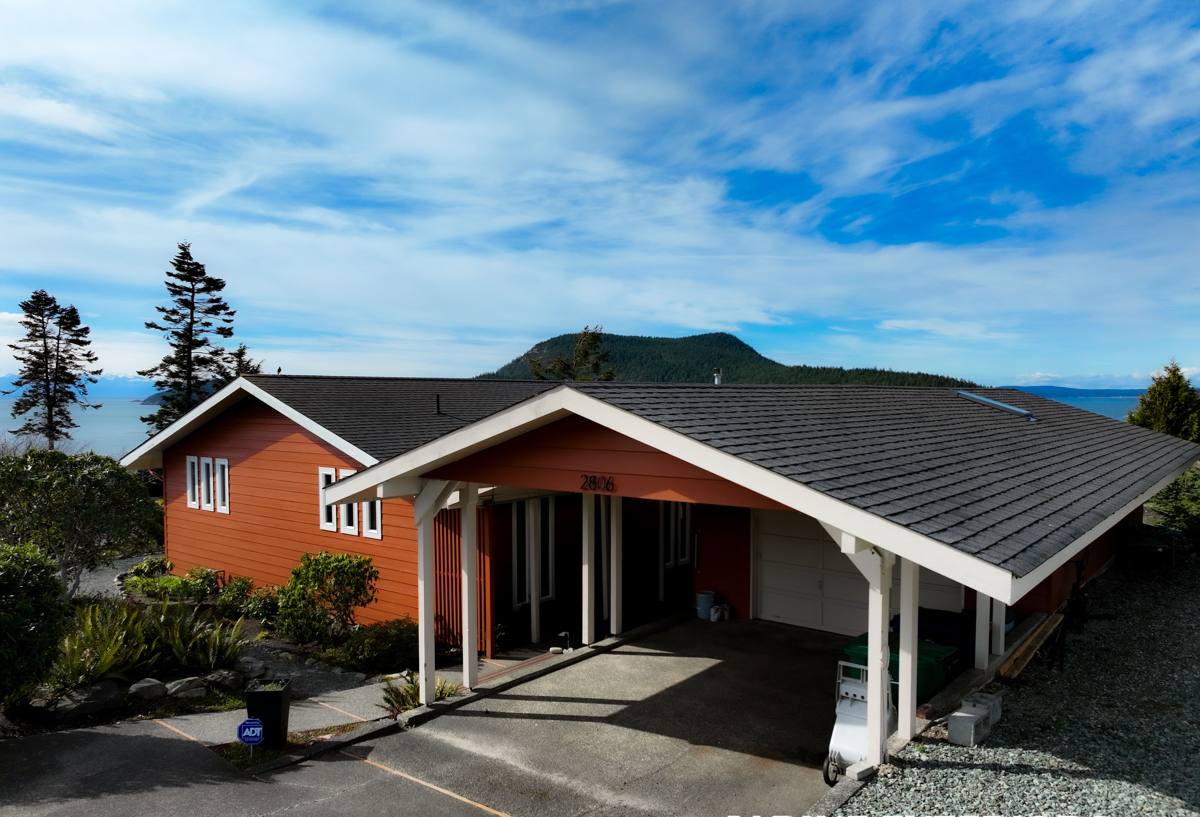
What Board and Batten Siding Actually Is
Board and batten is a vertical siding pattern: wide flat panels or boards installed edge to edge, with narrower strips (battens) covering the seams between them. It's a look that goes back generations on farmhouses and coastal homes in the Pacific Northwest, and it's come back strong in modern exterior design because it reads as clean, linear, and a little more custom than standard horizontal lap siding.
Why It's a Good Match for This Look
The vertical lines pair well with the mix of traditional and modern farmhouse-style homes going up around Whatcom County, and it works nicely as an accent — on gables, entry features, or a full elevation — alongside horizontal lap siding elsewhere on the same house. The strong shadow lines the battens create also help a home read well from the street, even in the gray, overcast light that's common here most of the year.
Where Board and Batten Runs Into Trouble
The same design that makes board and batten attractive also makes it less forgiving than lap siding if it's built wrong. Every seam under a batten is a potential water path. Every board end is a place moisture can wick in if it's not sealed and back-primed. In a dry inland climate those mistakes might take years to show up. On the Whatcom County coast, with rain driven horizontally by wind off the water and long stretches of damp weather, a poorly detailed board and batten installation can start showing rot, staining, or paint failure within just a few seasons.
Why We Only Install Board and Batten in James Hardie Fiber Cement
We get asked fairly often why we don't offer board and batten in vinyl, LP SmartSide, cedar, or primed spruce. All of those products have a place in the market and none of them are junk — but none of them hold up the way we want a Blaine home's siding to hold up, given what this climate does to a vertical seam pattern year after year.
- Vinyl board and batten is lightweight and low cost, but it expands and contracts more than fiber cement, which can open gaps at the battens over time, and it doesn't take a factory finish that resists the coastal moisture cycle the way ColorPlus does.
- LP SmartSide is an engineered wood product. It performs reasonably well when detailed and maintained correctly, but wood-based substrates are inherently more moisture-sensitive than fiber cement, and that matters more here than in a drier climate.
- Cedar and primed spruce board and batten can look beautiful, but real wood needs consistent refinishing to keep water out, and in a climate with this much rain and humidity, that maintenance burden is steep and unforgiving if it slips.
James Hardie fiber cement is non-combustible, dimensionally stable, and engineered specifically for climates like ours through Hardie's HZ10 product line, which is built for the Pacific Northwest's wet weather patterns. The ColorPlus factory finish is baked on under controlled conditions, which gives it far better resistance to the fading and moisture streaking that plain field-painted products are prone to near the water. That combination is why board and batten, done right, means Hardie on every job we take on.
What a Correct Board and Batten Installation Actually Involves
Board and batten looks simple from the street, but a correct install has more moving parts than lap siding, not fewer. This is where most of the "why is this leaking after five years" calls we get actually trace back to.
Moisture Management Behind the Siding
A weather-resistive barrier and properly integrated flashing come before a single board goes up. Board and batten needs a drainage plane behind it so any water that does get past the surface has somewhere to go besides into the wall assembly. This is non-negotiable in a climate that sees as much sustained rain as Whatcom County does.
Fastening and Batten Spacing
Boards need to be fastened per Hardie's engineering specs, not "close enough" spacing pulled from a different product's install guide. Battens need consistent reveal and correct fastener placement so they're not just decorative — they're actually doing their job of covering and protecting the seam underneath.
Joints, Corners, and Penetrations
Every horizontal joint, every corner, and every spot where a fixture, vent, or trim piece penetrates the siding is a place water can find a way in if it's not sealed and flashed correctly. On a vertical pattern like board and batten, there are more of these details per square foot of wall than on lap siding, which is exactly why installation quality matters more here.
Clearance and Ground Contact
Board and batten run too close to grade, decks, or roof lines is one of the most common defects we see on older installs in wet coastal areas. Correct clearance keeps splashback and standing moisture away from the bottom edge of the siding, which is often the first place failure starts.
Board and Batten Material Comparison
| Material | Moisture Behavior | Finish Durability Near Salt Air | Long-Term Maintenance |
|---|---|---|---|
| James Hardie Fiber Cement | Dimensionally stable, engineered for wet climates | Factory-baked ColorPlus finish resists fade and streaking | Low — periodic washing, no refinishing cycle |
| Vinyl | Doesn't rot, but seams can open with expansion/contraction | Field-applied color fades and chalks over time | Low, but limited repair options if damaged |
| LP SmartSide | Engineered wood, moisture-sensitive if detailing fails | Field or factory finish, needs consistent upkeep | Moderate — watch cut edges and seams closely |
| Cedar / Primed Spruce | Natural wood, absorbs and releases moisture readily | Requires refinishing on a regular cycle | High — ongoing staining, painting, and sealing |
Our Process, Start to Finish
We keep the process straightforward and don't skip the parts that matter most in this climate.
- On-site assessment — we look at your home's exposure, existing siding condition, and any moisture issues already present before recommending anything.
- Tear-off and inspection of the sheathing — we don't cover up rot or hidden water damage; if we find it, we tell you and price the repair separately and honestly.
- Weather barrier and flashing installation — the part nobody sees is the part that determines whether the job lasts.
- Board and batten installation to Hardie's fastening and spacing specs — done consistently, not eyeballed panel by panel.
- Final detailing — caulking, trim, and touch-up at cut edges so every exposed cut is sealed.
- Walkthrough and cleanup — we go over the finished work with you before we call the job done.
Why a Crew That Already Works Blaine Matters
We're based out of Ferndale and work this stretch of Whatcom County regularly, which means we already understand what board and batten siding is up against in a community this close to the water. That's not a small thing on a product as detail-dependent as this one. A crew that mostly works drier inland climates can build a technically fine board and batten wall by the book and still get it wrong for this environment, because the book doesn't account for how much moisture this area actually sees, how long moss season runs, or how much salt exposure a west- or water-facing wall takes over a few years. Knowing that going in changes decisions on flashing, clearance, and fastening — not just the finished look.
Maintenance and What to Expect Long-Term
Correctly installed Hardie board and batten is a low-maintenance siding choice, but "low-maintenance" doesn't mean "no maintenance," especially in a climate that grows moss on nearly everything. A periodic gentle wash to keep moss and algae from establishing, an annual walk-around to check caulking at trim and penetrations, and prompt attention to any landscaping that's grown up against the siding will keep a Hardie board and batten install looking right for a long time. What you won't need is a repainting or refinishing cycle the way you would with wood-based products — the factory finish is doing that work for you.
Simple Homeowner Checklist
- Confirm the installer is following James Hardie's published fastening and clearance specs, not a generic install
- Ask specifically how flashing and moisture barrier will be handled behind the siding
- Check that ground and deck/roof clearances meet Hardie's minimums before boards go up
- Get a clear answer on how cut edges and field cuts will be sealed
- Ask what a moss-heavy climate means for your maintenance schedule, not just the sales pitch
Getting Started
If you're considering board and batten siding for a home in Blaine or elsewhere around Ferndale and Whatcom County, we're happy to take a look and walk you through what a correctly detailed installation looks like for your specific house and exposure. There's no pressure and no obligation — just a straight assessment and an honest estimate. Use the form below to get started.