 Ferndale Siding
 Windows in Blaine Take a Different Kind of Beating
Blaine sits right where Whatcom County meets the water and the border, and that location comes with a specific set of problems for window systems. Homes here deal with salt-laden marine air, wind-driven rain that comes in sideways off the water more often than most inland areas ever see, and a long, damp moss season that keeps wood, trim, and sealants wet for months at a stretch. None of that is dramatic on any given day. It's cumulative. A window that would last two decades in a dry inland climate can show frame rot, failed seals, or fogged glass in half that time here if it wasn't installed with this specific environment in mind.
We're based in Ferndale and have worked homes throughout Whatcom County long enough to know that a "standard" installation isn't good enough this close to the water. The flashing details, sealant choices, and frame materials that hold up fine a few miles inland can fail early on a Blaine property exposed to salt spray and constant moisture. That's the gap we build our process around.
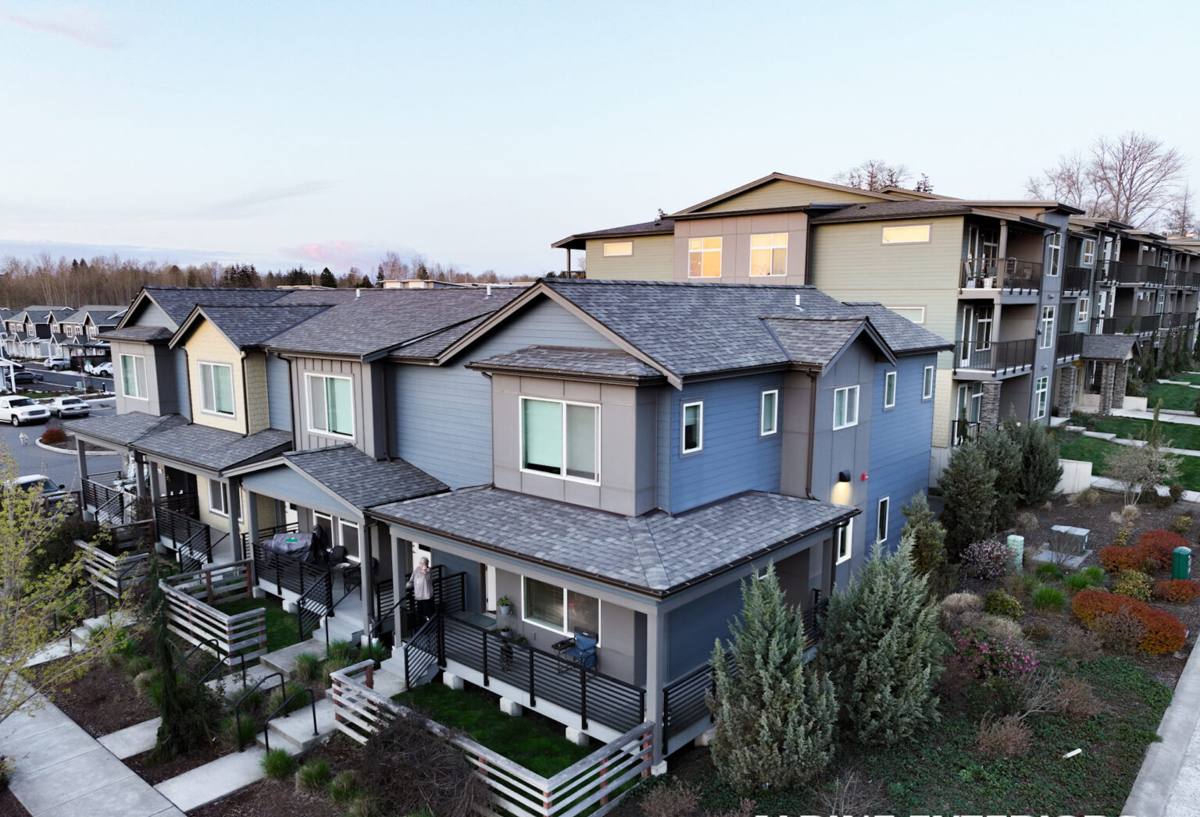
What Salt Air, Rain, and Moss Actually Do to a Window
Salt Air
Airborne salt accelerates corrosion on hardware, screws, and any exposed metal components — hinges, cranks, and fasteners in particular. It also degrades certain sealants and finishes faster than they're rated for, which is why coastal-proximity homes need attention paid to what's actually holding the window together, not just the glass in the middle.
Driving Rain
Wind-driven rain doesn't just fall on a window, it gets pushed into every gap, seam, and fastener hole under pressure. A window can look properly sealed and still leak if the flashing behind the trim wasn't lapped correctly to shed water downward and outward. Most hidden window rot we see didn't come from a bad window — it came from water getting behind good trim through a flashing detail that was rushed or skipped.
Moss and Sustained Damp
Whatcom County's moss season means long stretches where wood trim, sills, and siding around a window stay damp instead of drying out between rains. That sustained moisture is what turns a small gap into soft wood, and soft wood into a full frame repair. It also means any wood component near the window needs either a rot-resistant material or a genuinely sealed, ventilated detail — not just a coat of paint.
What a Correct Window Installation Actually Involves
A window installation is only as good as the parts nobody sees once the trim goes back on. Here's what we consider non-negotiable on every job, especially this close to the water:
Removal and Opening Prep
We remove the old window carefully enough to inspect the rough opening — sill, jambs, and header — for hidden rot or water damage before anything new goes in. Installing a new window into a compromised opening just hides a problem that gets worse.
Flashing and Water Management
This is the step that matters most in a climate like Blaine's. Flashing tape and pan flashing at the sill need to be installed in the correct shingle-lap order so any water that does get past the exterior trim drains back out, not into the wall cavity. This is the single biggest difference between a window that lasts and one that causes a rot problem five years later.
Insulation and Air Sealing
Gaps around the frame get filled with a proper low-expansion foam or backer rod and sealant — not stuffed with fiberglass insulation, which does nothing to stop air or moisture movement. Done right, this also cuts down on drafts and energy loss, which matters through a Whatcom County winter.
Finish, Trim, and Sealant
Exterior sealant beads, trim reinstallation, and touch-up work need marine-grade or exterior-rated sealants that are rated to actually hold up to salt air and UV exposure, not a generic caulk that will crack and let water in within a couple of seasons.
Choosing a Frame Material for a Blaine Home
Frame material matters more here than in a lot of inland markets, because the frame is what's absorbing the daily exposure to salt air and moisture cycling. Here's how the common options generally compare for a coastal-proximity home:
| Frame Material | Moisture & Salt Air Behavior | Maintenance | Typical Lifespan Fit |
|---|---|---|---|
| Vinyl | Won't rot or corrode; performs consistently in salt air | Low — occasional cleaning | Strong fit for most Blaine homes |
| Fiberglass | Very stable in moisture and temperature swings; dimensionally tough | Low | Good fit, especially for larger openings |
| Wood | Attractive but vulnerable to sustained damp and moss-season moisture without diligent upkeep | High — regular painting/sealing required | Workable only with a strict maintenance routine |
| Wood-Clad | Exterior cladding protects the wood core from direct weather exposure | Moderate | Reasonable middle ground where a wood interior look is wanted |
We don't push one material on every homeowner. We size up the exposure on your specific walls — how much direct weather and salt spray they take — and talk through what fits your budget and how much upkeep you actually want to sign up for long-term. A low-maintenance frame is often the right call for anyone who doesn't want window upkeep as a recurring chore.
Glass Packages Worth Considering
Beyond the frame, the glass package affects comfort and condensation resistance. Double-pane glass with a low-E coating is the baseline we'd recommend for any Blaine home. Triple-pane adds another layer of insulation and can help with both energy performance and exterior noise, which is worth discussing if the home faces a lot of wind or sits in a more exposed spot. We'll walk through the realistic difference in comfort and cost for your specific windows rather than upselling a package you don't need.
Signs Your Current Windows Are Already Failing
Because failure here tends to happen behind the trim before it's visible on the surface, it helps to know the early warning signs:
- Fogging or condensation between the panes — the seal has failed
- Soft or discolored trim/sill wood around the window frame
- Visible gaps, drafts, or whistling around the frame in wind
- Difficulty opening, closing, or locking the window smoothly
- Peeling paint or bubbling finish on the interior or exterior trim
- A musty smell near the window that suggests trapped moisture
- Visible corrosion on hinges, cranks, or hardware
Any one of these is worth a look before it turns into a larger repair. Catching flashing or seal failure early is a lot less expensive than replacing rotted framing later.
Our Process, Start to Finish
- Free on-site assessment of your current windows, openings, and exposure on each affected wall
- Honest recommendation on frame material and glass package based on your home, budget, and how much maintenance you want going forward
- Written estimate with no pressure to decide on the spot
- Careful removal and inspection of each rough opening for hidden damage before installation
- Installation with proper flashing, sealing, and insulation detail — not just dropping in a new unit
- Finish work: trim, exterior sealant, and cleanup so the job looks right and performs right
- Walkthrough so you know exactly what was done and how to maintain it
What Affects the Cost of a Window Project in Blaine
Every home is different, but these are the main variables that move the price on a window installation here:
| Cost Factor | Why It Matters |
|---|---|
| Number and size of windows | More openings and larger units mean more material and labor |
| Frame material chosen | Vinyl, fiberglass, and wood-clad carry different material costs |
| Glass package | Double-pane vs. triple-pane and low-E coatings affect price |
| Condition of the existing opening | Hidden rot or damage found during removal adds repair work |
| Access and removal complexity | Second-story, oversized, or hard-to-access windows take more labor |
| Trim and siding integration | Matching or repairing surrounding trim and siding adds scope |
We'll break down which of these apply to your project during the estimate so you know exactly what you're paying for and why, rather than a vague lump-sum number.
Why a Ferndale-Based Crew That Works Blaine Matters
We're not driving in from out of the region to quote a job we've never seen the local conditions for. Working throughout Whatcom County means we've seen how salt air, driving rain, and moss-season damp actually play out on real homes over time — not just in theory. That shapes real decisions: which flashing detail to use, which sealant is actually rated for this exposure, and which frame material will hold up without becoming a maintenance burden. It also means we're close by if a question comes up after the job is done, not a phone number in another state.
If your windows are original to the home, showing early signs of trouble, or you're simply ready to stop dealing with drafts and condensation, we're happy to take a look and give you a straight answer — including telling you if a repair makes more sense than full replacement. Reach out for a free, no-pressure estimate using the form below, and we'll walk your home's specific exposure with you before recommending anything.