 Ferndale Siding
 Sandy Point's Waterfront Setting Is Hard on Siding
Sandy Point sits right up against the Strait of Georgia, and that beachfront location is exactly what makes it a beautiful place to live and a tough place to keep siding in good shape. Salt-laden air moves off the water and settles on everything, wind-driven rain finds its way into every gap and seam, and the shaded, damp stretches of Whatcom County keep moss and algae growing on north-facing walls for most of the year. Siding that would hold up fine a few miles inland, further from the water, often shows its age early out here.
We work on homes throughout Ferndale and the surrounding Whatcom County waterfront, and Sandy Point comes with its own set of demands. This page covers what that climate does to siding, what a correct replacement looks like, and why we install only James Hardie fiber cement — never vinyl, LP SmartSide, or wood-based products — on the homes we work on here.
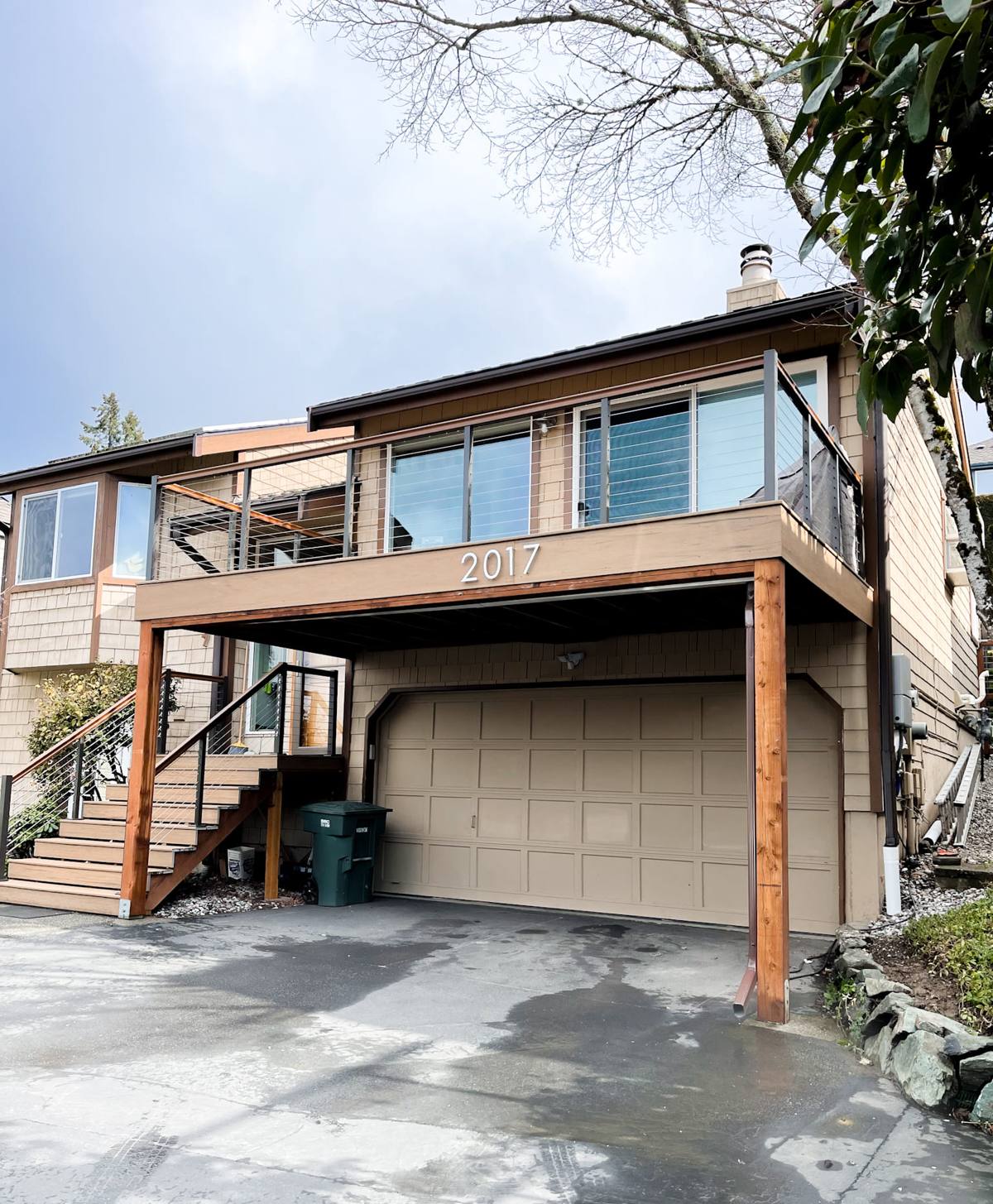
What the Sandy Point Climate Does to Siding
Salt Air and Moisture
Airborne salt is corrosive to metal fasteners, flashing, and trim, and it accelerates the breakdown of coatings and caulking. On a beachfront lot, that exposure is constant, not occasional. Siding materials and finishes that aren't built for it fade, chalk, or degrade faster than their rated lifespan would suggest, and metal components can start corroding well before the siding itself fails.
Wind-Driven Rain
Storms coming off the water don't just fall straight down — wind pushes rain sideways into lap joints, corner trim, and anywhere the siding meets a window, door, or roofline. If the water-resistive barrier and flashing details behind the siding aren't done correctly, that rain works its way behind the cladding and into the wall assembly, where it can sit and cause rot long before anyone notices a problem from outside.
Moss, Algae, and Shade
Mature trees and long overcast stretches keep parts of many Sandy Point lots damp and shaded for much of the year, which is exactly the environment moss and algae need. On wood-based siding, that constant moisture exposure is a direct path to rot. On any siding, heavy moss buildup traps water against the surface and holds it there longer than open, sun-exposed walls ever see.
Signs a Sandy Point Home Needs Siding Replaced, Not Patched
Coastal exposure tends to show up as specific, recognizable problems. If you're seeing more than one of these, it's worth having the siding looked at before it becomes a bigger repair:
- Soft, spongy, or crumbling spots when you press on the siding, especially near the bottom courses and around windows
- Visible gaps, cupping, or warping in lap siding, particularly on the sides facing prevailing wind and rain
- Heavy, persistent moss or algae growth that comes right back after cleaning
- Peeling or bubbling paint, or a chalky residue that wipes off on your hand
- Rust streaking from fasteners or corroding trim and flashing
- Interior signs — musty smells, discoloration on interior walls, or soft drywall near exterior corners
- Siding that's original to a home built more than 25-30 years ago, especially wood-based products
A few isolated boards can sometimes be repaired. Widespread moisture damage, especially on a wall that's been taking direct salt air and rain for decades, is usually a sign the whole elevation — or the whole house — needs to come off and be replaced correctly, not patched again.
Why We Only Install James Hardie on Sandy Point Homes
We don't install vinyl siding, LP SmartSide, or cedar and primed wood siding, and the Sandy Point climate is a good example of why. Vinyl expands and contracts with temperature swings and can distort or crack under strong coastal wind loads, and its seams give wind-driven rain more opportunities to work behind the panel. Wood-based products — cedar, primed spruce, engineered wood like LP SmartSide — depend on paint and caulking staying intact to keep moisture out, and in a climate with this much rain and shade-driven dampness, that maintenance schedule is unforgiving. Miss a few years of upkeep and moisture gets in.
James Hardie fiber cement is non-combustible, doesn't rot, and isn't a food source for the moss and algae that thrive in this environment the way wood is. Hardie's ColorPlus factory finish is baked on under controlled conditions and holds color and adhesion far better in salt air and UV exposure than field-applied paint. For homes in wind-exposed coastal settings, Hardie also makes HZ5 products engineered specifically for higher-moisture, higher-wind climate zones — which is the category the Pacific Northwest coast falls into. That's the product line we spec for Sandy Point work.
None of this means other products are unusable everywhere. It means that for the specific combination of salt air, wind-driven rain, and moss exposure that Sandy Point homes deal with, we've standardized on the one system we're confident holds up to spec without turning into a maintenance project for the homeowner.
What a Correct Siding Replacement Involves
Replacing siding correctly is mostly about what happens before the new siding ever goes up. On a coastal property, cutting corners on the details below is where premature failures start.
Full Tear-Off and Inspection
We remove the existing siding down to the sheathing so the wall can actually be inspected, not guessed at. Any rot, soft sheathing, or damaged framing gets addressed before anything new goes on — covering up existing damage is how a siding job turns into a much bigger repair a few years down the road.
Water-Resistive Barrier and Flashing
A correctly lapped weather-resistive barrier, proper window and door flashing, and correctly integrated kick-out flashing at rooflines are what actually keep wind-driven rain out of the wall assembly. The siding itself is the least important layer for keeping water out — it's a rain screen, not a seal, and it relies on everything behind it being done right.
Fastening and Clearances
Hardie siding has specific fastener spacing, embedment, and clearance requirements from grade, decks, and roof lines, and those specs matter more in a wet, salt-exposed climate than in a dry one. Corrosion-resistant fasteners are non-negotiable this close to the water.
Trim, Caulking, and Paint
Factory-finished ColorPlus siding reduces how much field-applied caulking and paint you're relying on, but trim boards, corners, and transitions still need to be sealed and finished correctly to shed water instead of trapping it.
Our Process for Sandy Point Projects
- On-site assessment — we look at the existing siding, sheathing condition, and the specific exposure of each elevation of your home to wind and rain.
- Written estimate — a clear scope of work and cost, with no pressure to sign on the spot.
- Product and color selection — choosing the right Hardie profile and ColorPlus color for your home, with HZ5 specified where exposure calls for it.
- Tear-off and inspection — removing old siding and checking sheathing and framing before anything new goes up.
- Weather barrier, flashing, and installation — done to manufacturer spec, not shortcuts.
- Final walkthrough — going over the finished work with you before we consider the job done.
What Affects the Cost of a Sandy Point Siding Replacement
Every home is different, but the same handful of factors drive most of the cost variation we see on siding replacement projects in this area:
| Factor | Why It Matters |
|---|---|
| Home size and number of stories | More square footage and taller walls mean more material and more labor, including staging for upper stories |
| Existing siding removal | Tearing off wood or vinyl siding is more labor-intensive than working over a stripped wall |
| Sheathing or framing repair | Rot damage discovered during tear-off, common on long-neglected coastal walls, adds material and labor |
| Siding profile and trim complexity | Lap siding, shingle-style panels, and detailed trim packages all price differently |
| HZ5 vs. standard climate product | Higher-exposure HZ5 product is specified where wind and moisture exposure call for it |
| Site access | Waterfront lots with tighter access or landscaping constraints can affect staging and material handling |
We'll walk through which of these apply to your home during the estimate, so you know what you're paying for and why, without vague allowances or padded numbers.
Why a Crew That Already Works Sandy Point Matters
A siding crew that hasn't worked this stretch of the Whatcom County coastline before is starting from scratch on judgment calls that matter: how much clearance to leave given the wind exposure, which elevations need HZ5 product versus standard, how aggressive the flashing details need to be around windows facing the water. A crew that's already done this work in this specific environment has already made those calls correctly, repeatedly, and knows what actually holds up here versus what looks fine on install day and fails in five years.
That local experience also means fewer surprises during the project itself — realistic expectations about weather windows, an understanding of the access and staging challenges that come with waterfront lots, and a track record you can ask about directly rather than take on faith.
Get an Estimate for Your Sandy Point Home
If your siding is showing signs of wear from the salt air, rain, or moss, or if it's simply reaching the end of its service life, we're glad to take a look. We'll give you a straight assessment of what's going on, what it would take to fix it right, and a written estimate — no pressure, no obligation. Use the form below to request your free estimate.