 Ferndale Siding
 Metal Roofing Built for Marietta's Waterfront Climate
Marietta sits close enough to Bellingham Bay that salt-laden air is a daily fact of life, not an occasional nuisance. Add in Whatcom County's long, wet winters and the shade that keeps moss thriving well into what other parts of the state would call summer, and you've got a roofing environment that punishes the wrong material and rewards the right one. Metal roofing, installed correctly, is one of the better answers to that combination — but "installed correctly" is doing a lot of work in that sentence, and it's the part that separates a roof that lasts decades from one that starts showing trouble in year six.
This page is about metal roofing specifically for homes in and around Marietta — what the local conditions actually do to a roof, what a proper installation involves, and how our process works when we're on your property.
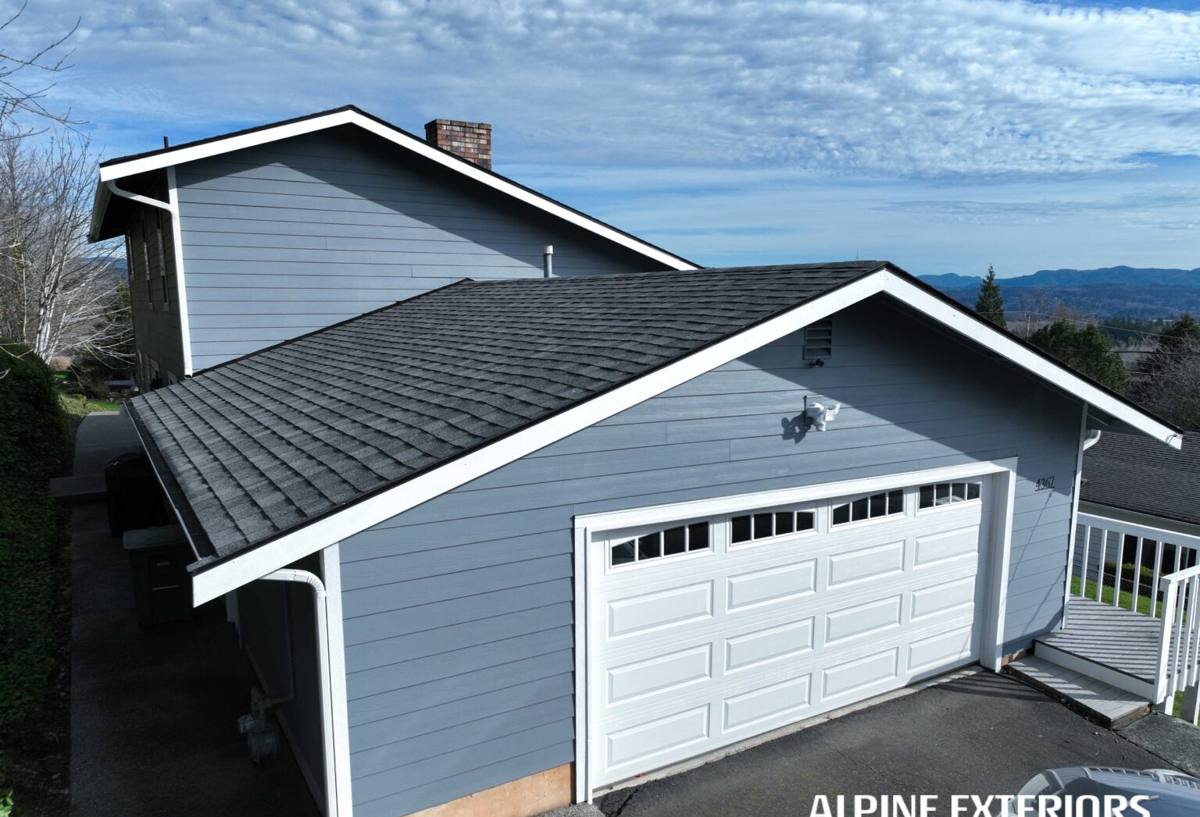
What Salt Air, Driving Rain, and Moss Actually Do to a Roof
Salt Air and Corrosion
Homes closer to the water pick up airborne salt that settles on every exterior surface, roofing included. On metal roofing, this matters most at cut edges, fastener heads, and any spot where the protective coating has been scratched or compromised during installation. Bare or poorly coated steel exposed to salt air will corrode faster than the same material inland. This is why coating quality and careful handling during install aren't cosmetic details — they're the difference between a 40-year roof and a 15-year roof.
Driving Rain and Wind-Driven Water
Ferndale and the surrounding Whatcom County lowlands get rain that doesn't just fall straight down — winter storms push it sideways under eaves, around penetrations, and into any gap that isn't properly lapped or sealed. A metal roof's water-shedding performance depends almost entirely on how the seams, laps, and flashings are detailed. The panel itself is nearly waterproof; the joints and transitions are where roofs actually fail.
Moss and Shade
Wooded lots and the region's long damp season give moss everything it needs to take hold. Moss on an asphalt roof works its way under shingle tabs and lifts them. On a metal roof, moss is more of a surface and drainage nuisance than a structural threat, since there's no shingle mat for it to root into — but moss and organic debris still hold moisture against the panel finish and clog valleys and gutters if not kept in check, especially on lower-slope sections or where trees overhang the roofline.
Why Metal Roofing Fits Marietta Homes
- Sheds water fast: steep water-shedding surfaces and continuous panel runs give rain less opportunity to sit, pool, or work its way backward under a lap.
- Resists moss rooting: without an absorbent mat like asphalt shingles have, moss stays on the surface where it can be rinsed or brushed off rather than growing into the roofing material.
- Handles wind well: properly fastened metal panels perform strongly in the gusty winter storms that come through the county, when installed with the correct fastening pattern for the panel type and roof exposure.
- Long service life: a correctly installed, properly coated metal roof is one of the longer-lived roofing options available, which matters on a coastal property where re-roofing is disruptive and coatings take real abuse.
What a Correct Metal Roof Installation Involves
The panels get the attention because they're what you see, but most of what determines whether a metal roof holds up in this climate happens underneath and around them.
Underlayment
A high-temperature-rated synthetic or self-adhered underlayment goes down first, giving the roof a secondary water barrier if wind-driven rain ever gets past the panel seams — which, on an exposed or waterfront-adjacent lot, it eventually will during the worst storms.
Fastening and Seam Method
Exposed-fastener panels and concealed-fastener standing seam panels handle water and movement differently, and the fastening pattern has to match the panel profile, the roof pitch, and the wind exposure of the specific home. Over- or under-fastening is a common source of leaks and panel oil-canning.
Flashing and Penetrations
Chimneys, vents, skylights, and valleys are where nearly every roof leak actually originates. Metal flashing details at these transitions need to be formed and lapped correctly — sealant is a backup, not the primary defense.
Ventilation
Proper ridge and soffit ventilation keeps moisture from condensing on the underside of the roof deck, which matters in a climate where the air outside is often nearly as damp as the air inside the attic.
Choosing a Panel Type
Not every metal roofing product is the right fit for every home, and part of an honest estimate is telling you which option actually suits your roof rather than defaulting to whatever's easiest to install.
| Panel Type | Best For | Trade-Offs |
|---|---|---|
| Standing seam (concealed fastener) | Long-term durability, clean appearance, best water-shedding | Higher upfront cost; requires skilled installation |
| Exposed-fastener panel | Budget-conscious projects, outbuildings, simpler roof lines | Fasteners need periodic inspection and eventual re-tightening or replacement |
| Metal shingle / shake profile | Homeowners who want a traditional look with metal's durability | More seams and detail work than standing seam; installation quality matters even more |
For most Marietta homes exposed to salt air and driving rain, we lean toward concealed-fastener standing seam because it has the fewest points where water or salt can get a foothold over time. That said, exposed-fastener systems are a legitimate, more affordable option for garages, shops, and lower-visibility roof sections when installed and maintained properly.
Our Process
1. On-Site Assessment
We walk the roof and attic, check current ventilation, look at how the roof handles water at valleys and penetrations, and note any moss, staining, or existing corrosion — especially on homes closer to the water where salt exposure has had years to work.
2. Tear-Off vs. Overlay Decision
Metal roofing can sometimes go over an existing roof deck with the right furring and underlayment, but we'll tell you honestly when a tear-off is the better call — usually when the existing roof deck has moisture damage or the current roofing would trap dampness underneath.
3. Installation
Underlayment, flashing, and panels go in following manufacturer specifications for the panel type and this region's wind and moisture exposure — not a generic, one-size-fits-all install.
4. Final Inspection
We check every seam, fastener, and flashing detail before calling the job done, and walk you through basic care so you know what to expect from your new roof.
Keeping a Metal Roof Healthy After Install
A well-installed metal roof is low-maintenance, not no-maintenance. A short annual routine goes a long way in this climate:
- Clear gutters and valleys of needles, leaves, and moss buildup, especially heading into the wet season.
- Trim back overhanging branches to reduce shade and debris accumulation on the roof surface.
- Do a visual check after major windstorms for lifted panel edges or loosened fasteners.
- Rinse off visible moss or algae growth with a gentle wash rather than pressure-washing, which can damage panel finishes.
- Have flashing and sealant points checked periodically, since these are the first places a leak will start.
Cost Factors to Understand Before You Get a Quote
| Factor | Why It Matters |
|---|---|
| Panel type and gauge | Standing seam and heavier-gauge steel cost more upfront but hold up longer against salt exposure |
| Roof complexity | Valleys, dormers, and multiple penetrations add labor and flashing detail |
| Tear-off vs. overlay | Removing an old roof adds cost but is sometimes the only responsible option |
| Ventilation upgrades | Adding or correcting ridge/soffit venting during the project is far cheaper than doing it later |
| Access and pitch | Steeper or harder-to-access roofs take more time and safety setup |
Rather than quote a number without seeing the roof, we walk each of these factors with you on-site so you understand what's driving the estimate, not just what the bottom line is.
Why a Crew That Already Works Marietta Matters
Roofing crews that work this specific stretch of Whatcom County — with its mix of waterfront exposure, tree cover, and coastal storm patterns — already know which details tend to get skipped by installers used to drier, inland conditions. That familiarity shows up in small but real ways: which flashing details hold up to driving rain off the bay, how much ventilation a shaded roof actually needs, and how a panel finish performs after a few winters of salt air rather than just on paper. It's the difference between a roof designed for "metal roofing in general" and one designed for a roof in Marietta.
What to Look for When Vetting a Metal Roofing Contractor
- Manufacturer training or certification on the specific panel system being installed.
- A clear explanation of the flashing and underlayment plan, not just the panel color and profile.
- Willingness to discuss tear-off vs. overlay honestly, based on your roof's actual condition.
- Local references or completed work in similar coastal or Whatcom County conditions.
- A written warranty that covers both the panel finish and the installation labor.
If you're weighing metal roofing for a home in Marietta, we're glad to come take a look and give you a straightforward, no-pressure estimate — including an honest read on whether metal is the right fit for your specific roof.