 Ferndale Siding
 Why Lummi Island Roofs Wear Differently
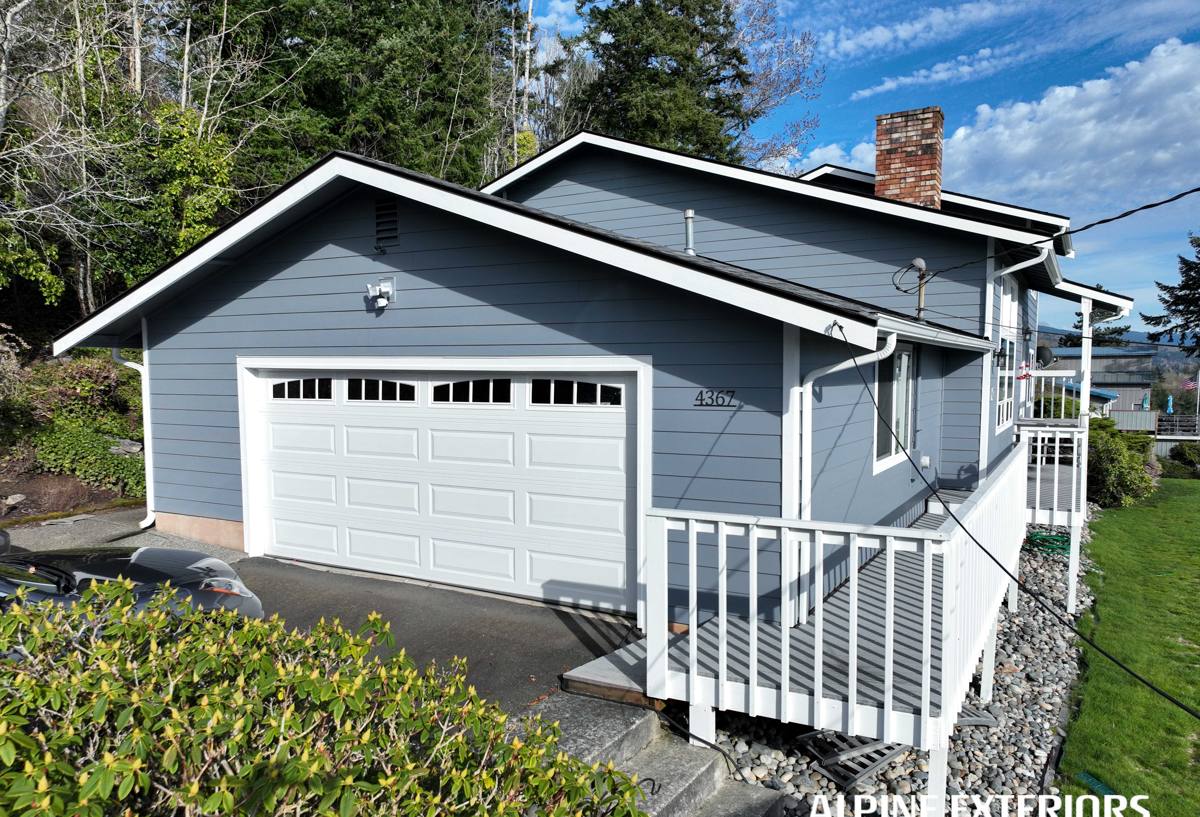
Lummi Island sits out in the water, reached by ferry, with almost every home exposed to open air off the Salish Sea on at least one side. That changes what a roof has to survive compared to a similar house a few miles inland in Ferndale or Bellingham. Salt-laden air, wind coming straight off the water, heavy conifer cover that shades large sections of most roofs, and a wet season that stretches for months all combine to age a roof faster than the manufacturer's brochure numbers assume. We serve homes across Whatcom County, but Lummi Island jobs get planned differently from the start because the conditions are genuinely tougher on the materials.
A shingle roof that's installed correctly for these conditions, using the right underlayment, flashing, and ventilation choices, will hold up. A roof installed with mainland-standard shortcuts often shows problems years earlier than it should — usually starting with moss, granule loss, or flashing corrosion in exactly the spots you'd expect: north-facing slopes, valleys, and anywhere shaded by trees.
What Salt Air, Rain, and Moss Actually Do to a Shingle Roof
Salt Air and Corrosion
Airborne salt doesn't just affect boats and metal railings. It settles on roofing fasteners, flashing, and drip edge, and it accelerates corrosion on anything that isn't rated for it. Standard electro-galvanized nails and thin aluminum flashing can start showing rust streaks or pitting well ahead of schedule in a shoreline environment. Once a fastener corrodes, it loses holding power, and once flashing corrodes, water finds a way underneath it.
Driving Rain and Wind-Driven Water
Open water means open wind. Storms coming off the Sound don't always arrive as straight-down rain — a lot of it comes in sideways, which pushes water up under shingle tabs, into valleys, and around penetrations like pipe boots and chimney flashing that would stay dry in a more sheltered installation. A roof built for this has to assume water will be driven uphill under the shingle line at some point every winter, not just downhill with gravity.
Moss, Algae, and Shade
Heavy tree cover keeps roofs damp longer after every rain, and damp shingles in shade are exactly what moss and algae need to take hold. Moss does more than look bad — it holds moisture against the shingle surface, lifts tab edges as it grows, and works its way under the shingle line over a season or two. Algae staining is mostly cosmetic, but it's a sign that a roof is staying wet longer than it should, which shortens shingle life either way.
Choosing an Asphalt Shingle System for This Climate
Not every asphalt shingle is built the same way, and for a Lummi Island roof, the extra cost of a better product usually pays for itself in fewer callbacks and a longer service life. Here's how the common tiers compare for this specific environment:
| Shingle Type | Wind Performance | Algae/Moss Resistance | Best Fit |
|---|---|---|---|
| Standard 3-tab | Lower wind rating | None built in | Budget projects, sheltered lots only |
| Architectural / laminate | Higher wind rating, better mat | Optional algae-resistant granules | Most Lummi Island homes |
| Premium algae-resistant laminate | Highest wind rating available in asphalt | Copper- or zinc-infused granules built in | Heavily shaded lots, waterfront exposure |
We generally steer island homeowners away from basic 3-tab shingles unless the budget is tight and the roof is well sheltered, because the lower wind rating and lack of algae resistance tend to show their limits fastest in exactly this climate. An architectural shingle with algae-resistant granules is the reasonable middle ground for most homes here, and we'll walk through the real trade-offs — not just the marketing — before you commit to a product.
What a Correct Installation Involves Here
Underlayment
We use synthetic underlayment as the base layer across the whole roof, with a self-adhering ice-and-water membrane at eaves, valleys, and around every penetration. That membrane is what keeps wind-driven rain from becoming a leak even if water does get past the shingle surface temporarily during a bad storm.
Flashing
Given the corrosion issue, we don't treat flashing as an afterthought. Valley metal, step flashing, and counterflashing need to be a material that holds up to salt air over the long term, properly lapped and sealed rather than just caulked in place. Flashing failures are one of the most common causes of roof leaks that have nothing to do with the shingles themselves.
Fasteners
Corrosion-resistant nails matter more here than in a typical inland installation. Using the correct fastener, driven correctly — not overdriven, not underdriven, in the manufacturer's specified nailing zone — is what keeps shingles attached through wind events instead of lifting or blowing off.
Ventilation
Balanced intake and exhaust ventilation keeps the attic dry and keeps roof deck temperatures more even. On a shaded, damp lot, poor ventilation traps moisture that feeds moss growth from underneath and shortens shingle life from the deck side, not just the surface side. This is a step that's easy to skip and hard to notice is missing until problems show up.
How We Handle the Logistics of an Island Job
Getting a crew, a dump trailer, and a full load of materials on and off Lummi Island takes planning around ferry schedules, which is a real factor mainland contractors don't always account for. We stage materials so they arrive in as few trips as possible, plan tear-off and haul-away around ferry timing rather than discovering the problem mid-job, and build in a weather buffer since a rained-out day on the island isn't as simple to reschedule around as one on the mainland. Narrow or private driveways, septic fields, and wellheads are common on the island too, so we walk the site ahead of time to plan equipment placement and material staging that won't put any of that at risk.
Maintenance That Actually Matters in This Climate
A correctly installed roof still needs some upkeep in this environment, especially on shaded slopes. The list below covers what actually moves the needle:
- Clear moss and needle debris off the roof surface and out of valleys at least once a year, more often under heavy conifer cover
- Keep gutters and downspouts clear so water isn't backing up against the eave line
- Trim back overhanging branches to let more light and airflow reach shaded slopes
- Check pipe boots and flashing for cracking or corrosion during a yearly walk-around
- Address algae streaking early rather than waiting for it to spread
- Avoid power-washing shingles — it strips granules and shortens shingle life instead of helping
- Have attic ventilation checked if you notice moss returning quickly after cleaning
Repair or Full Replacement? Signs to Watch
Not every problem means a new roof. Isolated storm damage, a failed flashing detail, or a small area of moss intrusion can often be repaired if the rest of the roof is sound. Widespread granule loss, shingles that are curling or cupping across multiple slopes, moss that's lifted tabs in several areas, or a roof approaching the end of its rated life are signs that repair is just delaying an inevitable full replacement — and sometimes costing more in the process. A straightforward inspection is usually enough to tell which situation you're in.
Why Local Experience on Lummi Island Matters
A crew that already works this island knows which slopes on a given lot tend to hold moisture longest, how the county permitting process works for island properties, and how to plan a job so the ferry schedule isn't a surprise on install day. That experience shows up in fewer delays, fewer return trips for something that should have been caught the first time, and a roof that's built with this specific climate in mind rather than a generic install plan.
What Affects the Cost of a Lummi Island Roof
| Factor | Why It Matters |
|---|---|
| Roof pitch and access | Steeper roofs and tight or private access take longer and require more setup |
| Number of existing layers | Tear-off of multiple old layers adds labor and disposal cost |
| Shingle tier selected | Algae-resistant and higher wind-rated products cost more upfront but wear better here |
| Flashing and ventilation upgrades | Corrosion-resistant flashing and added ventilation add cost but reduce future problems |
| Ferry and logistics scheduling | Material staging and haul-away timing factor into overall project planning |
Every roof is different, and the only way to give you real numbers is to look at your specific roof, its access, and its condition. If you're weighing a repair against a full replacement, or just want a straight answer on what your roof needs, we're glad to come take a look. The estimate is free, there's no pressure, and you'll get a clear explanation of what we see and why.