 Ferndale Siding
 Asphalt Shingle Roofing Built for the Cordata Climate
Cordata sits close enough to the water and open enough to the weather moving in off the Salish Sea that roofs here work harder than roofs in drier, more sheltered parts of Whatcom County. Salt-tinged air, long stretches of driving rain, and a moss season that can run eight months or more all put steady pressure on a roof system. Asphalt shingle roofing remains one of the most practical, cost-effective choices for Cordata homes when it's specified and installed correctly for this environment. Done wrong, an asphalt shingle roof in this area can show granule loss, moss colonization, and edge failure years ahead of schedule. Done right, it's a durable, serviceable roof that holds up to what a Ferndale winter throws at it.
This page covers what a shingle roof in Cordata actually needs, what separates a correct installation from a shortcut job, and how we approach the work as a crew that's used to this specific stretch of Whatcom County.
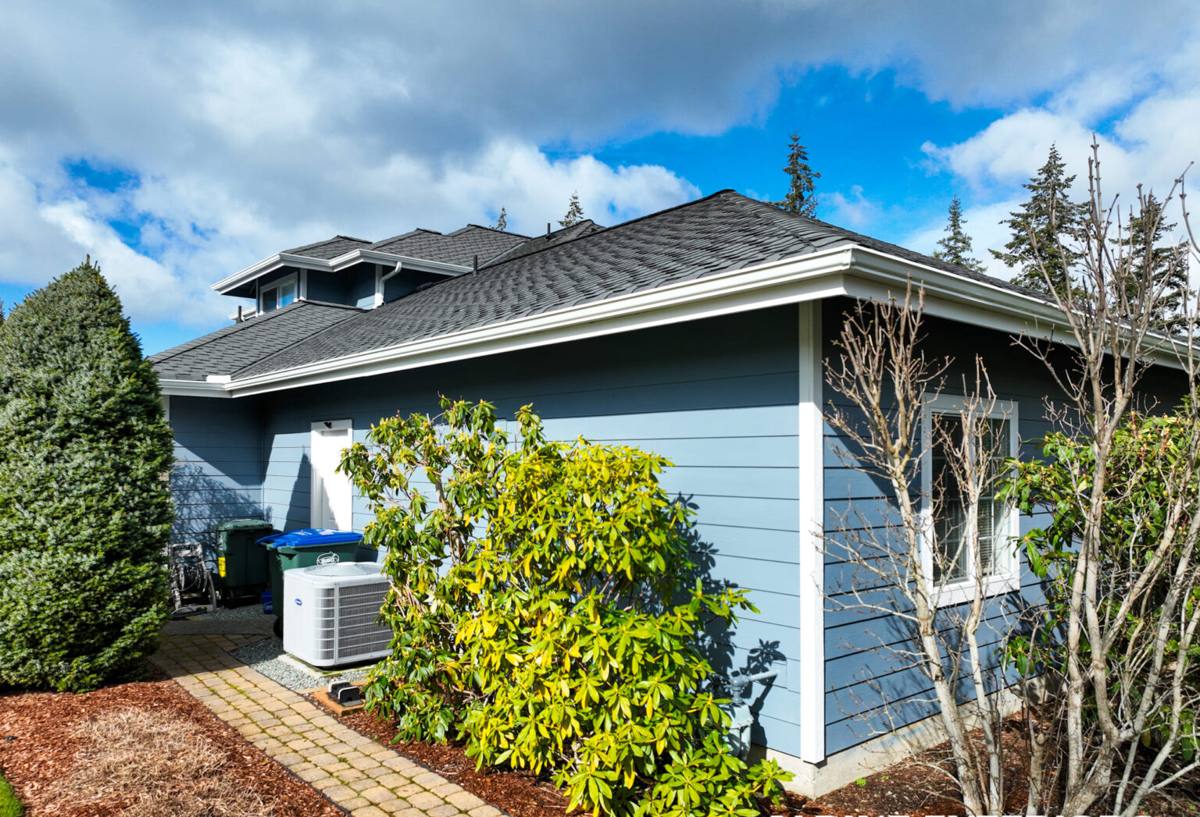
Why Cordata's Climate Is Hard on Shingle Roofs
Salt Air and Moisture Load
Proximity to Bellingham Bay and the broader Salish Sea means homes in and around Cordata deal with airborne salt and near-constant ambient moisture. Salt air accelerates the breakdown of exposed metal fasteners, flashing, and vent components faster than it would inland. It also keeps roofing surfaces damp longer after rain events, which matters more than most homeowners expect — a roof that dries out slowly stays hospitable to moss and algae growth for a larger share of the year.
Driving Rain and Wind-Driven Water
Rain in this part of Washington rarely falls straight down. Wind off the water pushes it sideways, which means water finds its way under shingle tabs, into exposed nail heads, and around poorly sealed penetrations that would stay dry in a calmer climate. Roof details that are "good enough" in a low-wind, low-rain region — minimal underlayment, loose flashing tie-ins, shallow shingle overlap — tend to fail here specifically because of how the rain arrives, not just how much falls.
Moss Season
Whatcom County's mix of shade, moisture, and mild temperatures creates ideal conditions for moss and algae on roofing for a large part of the year. Moss doesn't just look bad — it holds water against the shingle surface, lifts tabs as it grows under the edges, and traps organic debris that breaks down granules over time. A roof that isn't detailed or maintained with moss in mind will visibly age faster than an identical roof in a drier climate.
What a Correct Asphalt Shingle Roof Needs in This Area
A shingle roof that's going to perform well in Cordata isn't just about the shingle brand on the wrapper. The system underneath and around the shingles matters as much or more.
- Full synthetic underlayment as a continuous water barrier, not just felt paper alone, to back up the shingles when wind-driven rain gets past the surface layer
- Ice-and-water shield at eaves, valleys, and penetrations — the areas most exposed to standing water and wind-driven intrusion
- Properly lapped step flashing at any wall-to-roof transition, sized and installed so water sheds outward instead of wicking back under siding
- Balanced intake and exhaust ventilation so moisture from inside the home doesn't condense in the attic and shorten the roof deck's life from underneath
- Corrosion-resistant fasteners and flashing metals appropriate for a salt-air environment, not standard-grade hardware that pits and stains prematurely
- Algae-resistant shingle products where the budget allows, since standard shingles show streaking and growth faster this close to the water
Choosing the Right Shingle for a Cordata Home
Not every asphalt shingle product is a good fit for this climate, and the differences aren't just cosmetic.
| Shingle Type | Typical Lifespan | Fit for Cordata |
|---|---|---|
| 3-Tab Shingles | 15-20 years | Lowest upfront cost, but thinner profile and less wind resistance make them a weaker match for driving rain and gusty exposure |
| Standard Architectural (Laminate) | 25-30 years | Good balance of cost and durability; the right choice for most homes when paired with proper underlayment and flashing |
| Algae-Resistant Architectural | 25-30 years | Same durability as standard architectural, with copper-infused granules that slow algae and moss growth — a strong fit given local moss pressure |
| Premium/Designer Shingles | 30-40+ years | Heaviest, most wind-rated option; worth it on homes with steep or highly visible rooflines, or where longevity is the priority over upfront cost |
We don't push homeowners toward the most expensive option by default. We look at the roof's exposure, pitch, shading, and how long you plan to stay in the home, then recommend the shingle tier that actually matches the situation instead of overselling premium product where standard architectural shingles would serve just as well.
Repair, Recover, or Full Replacement?
Not every roof problem in Cordata means a full tear-off. Part of an honest assessment is telling you which category your roof actually falls into.
When Repair Makes Sense
Localized damage — a section of lifted or cracked shingles, a failed flashing detail, isolated moss damage — can often be repaired without touching the rest of the roof, as long as the shingle field is otherwise sound and not near the end of its service life.
When Recover Is an Option
In limited situations, a new layer of shingles can go over a single existing layer if the deck is sound and local code allows it. This isn't our default recommendation, because it hides the roof deck from inspection and traps whatever underlayment issues already existed — but it's a legitimate option in the right circumstances.
When Full Replacement Is the Right Call
Widespread granule loss, multiple layers already on the roof, soft or damaged decking, or a roof that's simply past its expected service life all point toward full replacement. This is also the point where it makes sense to correct any underlying ventilation or flashing shortcuts from the original installation rather than build a new roof on top of old problems.
Our Process for Cordata Roofing Projects
- On-site inspection — we walk the roof (not just look from the ground) to check shingle condition, flashing, ventilation, and signs of moisture intrusion in the attic
- Honest scope and options — repair, recover, or replace, explained in plain terms with the reasoning behind the recommendation
- Written estimate — clear pricing with shingle options and what's included, no vague allowances
- Tear-off and deck check (for replacements) — old material removed and the deck inspected for soft spots or rot before anything new goes down
- Underlayment and flashing installation — full synthetic underlayment plus ice-and-water shield at vulnerable areas, new flashing where needed rather than reusing worn pieces
- Shingle installation — installed to manufacturer nailing and exposure specs, which matters for both wind rating and warranty validity
- Ventilation check — intake and exhaust confirmed to be balanced for the attic space
- Final walkthrough — cleanup, magnetic sweep for stray fasteners, and a review of the finished roof with the homeowner
Why It Matters to Hire a Crew That Works Cordata Specifically
A roofing crew that mostly works drier, more sheltered inland areas can install a technically fine roof that still underperforms once it's exposed to Cordata's salt air and driving rain — because the details that matter here (fastener corrosion resistance, flashing overlap sized for wind-driven water, moss-aware shingle selection) aren't the details that matter everywhere. A crew that regularly works Ferndale and the surrounding Whatcom County neighborhoods has already seen how roofs age in this specific environment and builds accordingly, rather than applying a generic spec and hoping it holds up.
Local familiarity also means faster response for storm damage, warranty service, or seasonal moss treatment — you're not waiting on a crew that has to travel in from outside the area every time something needs attention.
Maintaining Your Roof Between Seasons
Even a well-installed roof needs some upkeep in this climate to hit its full lifespan.
- Keep gutters clear so water doesn't back up under the shingle edge during heavy rain
- Have overhanging branches trimmed back to reduce shade and debris that feed moss growth
- Schedule a periodic moss treatment or gentle roof cleaning rather than waiting until growth is heavy
- Watch for granules collecting in gutters or downspouts, which can signal accelerated shingle wear
- Have flashing and penetrations checked after major windstorms, since that's where wind-driven rain does the most damage
Cost Factors for a Cordata Roofing Project
Pricing on any roof depends on more than square footage. The factors below tend to move the price up or down the most on projects in this area.
| Factor | Effect on Project |
|---|---|
| Roof pitch and complexity | Steep or multi-plane roofs take longer to work safely and increase labor time |
| Number of layers to remove | Tear-off of multiple existing layers adds disposal and labor cost |
| Deck condition | Soft or rotted decking found during tear-off requires replacement before new shingles go down |
| Shingle tier selected | Algae-resistant and premium shingles cost more upfront but reduce moss-related maintenance |
| Ventilation upgrades needed | Adding or correcting intake/exhaust venting is a smaller line item that protects the whole system |
| Access and site conditions | Tight lots, tall trees, or limited staging area can affect labor and setup time |
We give a written estimate that breaks these factors out clearly, so you know what's driving the price rather than getting a single lump-sum number with no explanation.
Signs a Cordata Roof Needs Attention Now
Some warning signs are worth acting on before they turn into a bigger repair. Watch for granules building up in gutters or at the base of downspouts, shingle tabs that are curling, cracking, or lifting at the edges, moss or dark streaking spreading across the roof plane, daylight or water stains visible in the attic, and soft spots noticeable when walking the roof deck during an inspection. Catching these early is almost always cheaper than waiting for a leak to show up inside the home.
If you're weighing a repair, a replacement, or just want an honest read on where your roof stands, we're happy to take a look. Reach out for a free, no-pressure estimate using the form below.